What Powers a Sump Pump? The Basics Explained
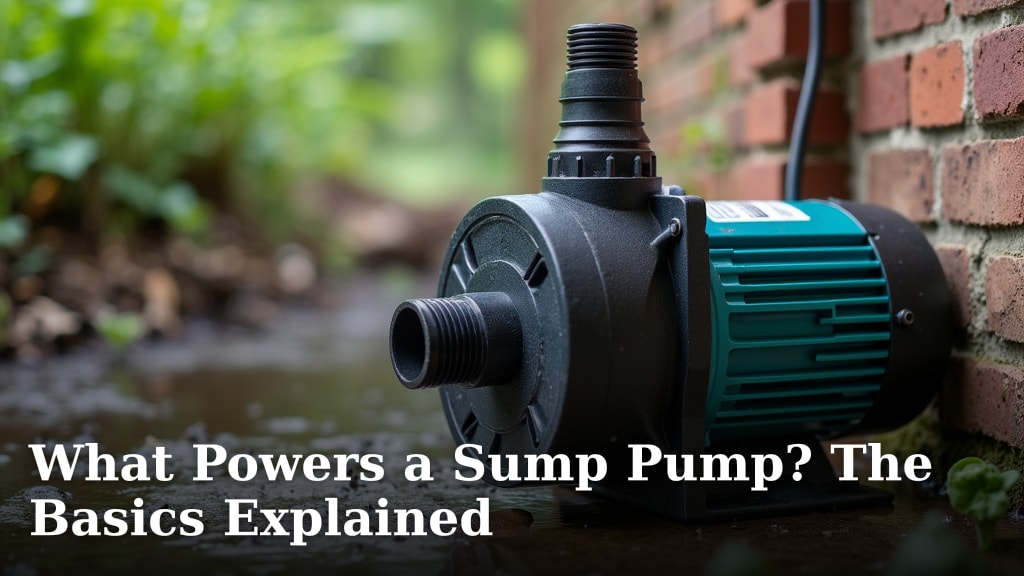
A sump pump is typically powered by an electric motor. This motor runs on your home’s standard electrical power. When water fills the sump pit, a float switch activates the motor, which then powers the pump to move water away. You can also use a battery backup system for power during outages. Understanding how long your sump pump runs is crucial, especially when considering power during outages.
Understanding what powers your sump pump is key to keeping your basement dry. While electricity is the primary source, having a reliable backup ensures it works even when the grid goes down. This prevents potential water damage and keeps your home safe.
- Sump pumps run on electricity from your home.
- An electric motor is the heart of the pump.
- A float switch turns the pump on and off.
- Battery backup systems offer protection during power outages.
- Regular checks ensure your pump is ready.
Let’s break down exactly how your sump pump gets its power and what you need to know to keep it running smoothly.
Understanding How Your Sump Pump Gets Its Power
Your sump pump is like a tiny, hardworking firefighter for your basement. Its job is to keep unwanted water out. But what actually makes it go? The simplest answer is electricity. Your home’s electrical system powers this essential appliance.
The Electric Motor: The Heart of the Pump
At the core of every electric sump pump is a motor. This motor is what spins the impeller. The impeller is like a fan. It pushes water out of the sump pit and away from your home’s foundation. This motor needs a steady supply of electrical power to do its job.
Think of the motor like the engine in a car. Without it, the car doesn’t move. Without a working motor, your sump pump can’t move water. This is why keeping the power supply to your pump in good shape is so important.
How the Motor Works With the Impeller
The electric motor converts electrical energy into mechanical energy. This mechanical energy is rotational. The motor shaft connects directly to the impeller. As the motor spins, the shaft spins the impeller. This spinning action creates a vortex. This vortex pulls water into the pump housing and then forces it out through the discharge pipe. It’s a simple but effective design.
The Role of the Float Switch: Your Pump’s Brain
So, the motor has power, but how does it know *when* to turn on? That’s where the float switch comes in. This clever little device acts like a sensor. It detects the water level in the sump pit. Most common sump pumps use a tethered float ball or a vertical float rod.
Tethered Float Switches
A tethered float switch is attached to the pump by a cord. As water rises in the pit, the float ball rises with it. When the water reaches a certain level, the float lifts the switch. This action closes an electrical circuit. Power then flows to the motor, and the pump starts. When the water level drops, the float falls. This opens the circuit, and the motor shuts off.
Vertical Float Rods
Vertical float rods work on a similar principle. The float is attached to a rod. As water rises, the float moves up the rod. This movement triggers a switch inside the pump’s housing. The effect is the same: power goes to the motor when the water gets high enough. These are often found in more compact or submersible pump designs.
Powering Your Sump Pump: The Electrical Connection
Your sump pump typically plugs into a dedicated electrical outlet. This outlet should be on a circuit protected by a Ground Fault Circuit Interrupter (GFCI). GFCI outlets are designed to detect electrical imbalances. They can shut off power quickly to prevent shocks. This is a safety feature for any appliance used near water.
Dedicated Circuits and GFCI Protection
Many building codes require sump pumps to be on a dedicated circuit. This means the pump has its own breaker in your electrical panel. It shares the circuit with no other outlets or appliances. This prevents the pump from overloading other circuits. It also ensures it has consistent power when needed. Using a GFCI outlet adds another layer of safety. It’s a good practice to have your electrician check this setup.
We found that many homeowners aren’t aware if their pump has a dedicated circuit or GFCI protection. Checking this is a simple maintenance step that can prevent problems (National Electrical Code).
Extension Cords: A Word of Caution
While it might seem convenient, using extension cords for your sump pump is generally not recommended. Extension cords can be a fire hazard. They may not be rated for the continuous power draw of a sump pump. They can also be damaged easily. This can lead to the pump not working when you need it most. Always try to plug your pump directly into an appropriate outlet.
What Happens During a Power Outage?
A common concern for homeowners is what happens to the sump pump during a power outage. If the electricity goes out, your primary sump pump will stop working. This is a critical time when you might need it most, especially during a storm. Fortunately, there are solutions.
The Need for a Battery Backup System
A battery backup system is designed specifically for this situation. It’s a separate system that kicks in when the main power fails. This system includes a deep-cycle battery, a charger, and an automatic switch. When the power goes out, the backup system detects it. It then powers the sump pump using the battery’s stored energy. This can keep your basement dry for many hours, depending on the battery’s capacity.
We’ve seen many instances where a battery backup system has saved homes from significant water damage during extended power outages (Home Builders Association).
How Battery Backup Systems Work
The battery backup system is typically installed alongside your primary sump pump. It has its own float switch or uses the primary pump’s switch. When the main power is on, the battery charger keeps the battery fully charged. When power is lost, a transfer switch automatically disconnects the main power and connects the battery power to the pump. Once main power is restored, the system switches back and begins recharging the battery.
Some homeowners opt for a combination pump that has a battery built into the same unit. Others choose a separate backup pump that sits beside the primary one.
Other Backup Power Options
While less common for everyday use, some homeowners consider generator power. A generator can power your primary sump pump. However, this requires having a generator on hand and ready to run. You would need to connect the generator to your home’s electrical system. This might involve a manual transfer switch. It’s a more involved solution than a dedicated battery backup.
Maintaining Your Sump Pump’s Power Source
Just like any appliance, your sump pump needs a little attention. Ensuring its power source is reliable is key. Regular checks can prevent unexpected failures.
Testing the Pump Regularly
You should test your sump pump at least once a month. You can do this by pouring a bucket of water into the sump pit. Watch to see if the float rises and activates the pump. Ensure the pump then turns on and expels the water. Listen for any unusual noises. This simple test can reveal issues before they become major problems.
Checking the Battery Backup
If you have a battery backup, test it periodically. Follow the manufacturer’s instructions. This often involves a test button or a brief power interruption. Check the battery’s charge level. Batteries have a lifespan. They typically last 3-5 years. You may need to replace them over time. A weak or dead battery won’t help during an outage.
We recommend checking your battery backup system’s age and condition annually. Older batteries might not hold a charge effectively (Battery Council International).
Inspecting Electrical Connections
Occasionally, inspect the power cord and outlet. Ensure they are clean, dry, and free from damage. Make sure the plug is securely seated in the outlet. If you see any signs of wear or damage, consult a qualified electrician. Keeping these connections in good shape is vital for reliable operation.
A Quick Checklist for Your Sump Pump’s Power
Here’s a simple way to keep your mind at ease:
- Test your primary sump pump monthly by adding water to the pit.
- Ensure the pump turns on and discharges water effectively.
- Check your battery backup system’s charge and function regularly.
- Inspect the power cord and outlet for any signs of damage.
- Note the age of your battery backup and plan for replacement.
- Confirm your pump is plugged into a GFCI-protected outlet.
Conclusion
You’ve learned that your sump pump relies on your home’s electricity, driven by an electric motor controlled by a float switch. This system keeps your basement safe from water. During power outages, a battery backup system is your best defense against flooding. Regularly testing your pump and its backup ensures they’re ready when you need them most. Don’t forget to check your electrical connections and battery health. Your next step is to schedule a quick check of your sump pump system’s power source and backup capabilities to ensure peace of mind.
Frequently Asked Questions
How often should I test my sump pump’s power?
We recommend testing your primary sump pump at least once a month. Pour a bucket of water into the sump pit and watch for the pump to activate. For battery backup systems, consult the manufacturer’s instructions for testing frequency, typically also monthly or quarterly.
Can I use an extension cord for my sump pump?
It’s best to avoid using extension cords for your sump pump. Extension cords may not handle the consistent power draw and can pose a fire risk. Always plug your pump directly into a properly rated and GFCI-protected outlet.
What happens if the power goes out during heavy rain?
If the power goes out during heavy rain, your primary electric sump pump will stop working. This is why a battery backup system is so important. It automatically takes over, using battery power to keep the pump running until electricity is restored.
How long does a sump pump battery backup typically last?
The run time for a battery backup system varies based on the battery’s capacity and the pump’s power usage. Most systems can operate for many hours, often 12 to 24 hours or more, on a single full charge during a power outage.
Should my sump pump have its own circuit breaker?
Yes, many building codes require sump pumps to be on a dedicated circuit. This prevents other appliances from overloading the circuit and ensures your pump receives consistent power when needed. It also helps with GFCI protection.