How Often Does a Sump Pump Turn On? The Real Answer
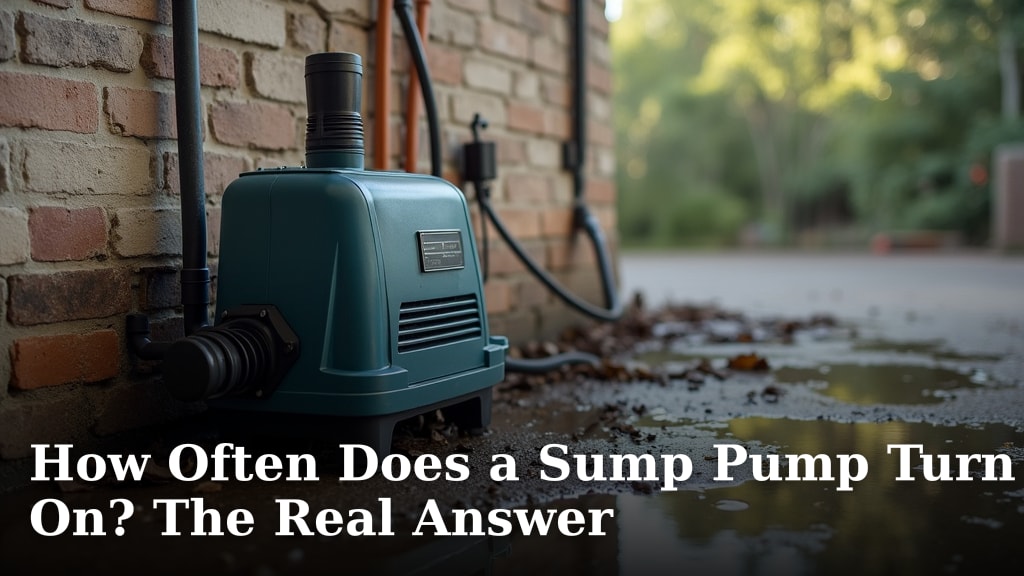
A sump pump turning on is normal and healthy when water levels rise. It’s not a sign of a problem if it cycles on occasionally. Your sump pump works hard to protect your basement from flooding.
The frequency your sump pump activates depends on several factors. These include rainfall, groundwater levels, and your home’s drainage. It’s designed to run when needed, so a quiet pump is often good.
- Sump pumps activate when water reaches a certain level.
- Normal operation means it turns on to prevent flooding.
- Frequent activation can signal underlying water issues.
- Occasional use is perfectly fine and expected.
We’ll break down what affects your sump pump’s runtime. Let’s get a clear picture of how often yours should be running. Let’s get a clear picture of how often yours should be running.
Understanding Your Sump Pump’s Activity Levels
It’s natural to wonder how often your sump pump should kick on. You want to know if its activity is normal or if it’s working too hard. The truth is, there’s no single, exact number of times per day or week that’s “perfect.” Your sump pump’s job is to keep your basement dry. It activates when the water in its basin reaches a specific float level. Think of it like a thermostat for water. When the water gets too high, it calls for “cooling” by pumping the water away.
We found that understanding the factors influencing its cycles is more helpful than looking for a magic number. Several elements play a role in how frequently your pump runs. These can range from weather patterns to the condition of your home’s drainage system. A pump that runs a lot might be doing its job well, or it might be trying to keep up with a problem. Conversely, a pump that rarely runs might mean your basement is safe, or it might be ready for a check-up.
Factors That Dictate Sump Pump Cycles
Environmental Influences: Rain and Groundwater
The most obvious factor is the amount of water entering your basement area. Heavy rainfall is a prime culprit. When rain saturates the ground, water can seep into your basement through foundation cracks or floor joints. This water collects and eventually fills the sump pit. We found that during prolonged or intense storms, your sump pump might run much more frequently than usual, and this is perfectly normal.
Groundwater levels also play a significant role. In areas with a high water table, water may constantly be pushing towards your foundation. This steady pressure can cause water to enter your basement even without heavy rain. Seasonal changes can affect groundwater. Spring thaws and wet autumns often lead to higher groundwater levels. These conditions mean your sump pump might run more often during certain times of the year.
Your Home’s Drainage System
How your home handles water outside is just as important as what happens inside. A well-functioning exterior drainage system helps divert water away from your foundation. This includes features like:
- Gutters and Downspouts: Are they clear and directing water far from your house? Clogged gutters can overflow, sending water straight down your foundation walls.
- Grading: Does the ground around your home slope away from the foundation? If it slopes towards your house, water will naturally pool near the walls and seep in.
- French Drains or Perimeter Drains: These underground systems are designed to collect water and channel it away. If they are clogged or damaged, they won’t work effectively.
We found that issues with these external systems often lead to increased sump pump activity. It’s not necessarily that the pump is bad, but it’s working harder because more water is reaching it.
Sump Pit Size and Pump Capacity
The physical characteristics of your sump pump system matter. The size of your sump pit determines how much water can accumulate before the pump activates. A larger pit means the water level has to rise higher, so the pump will run less often. A smaller pit will fill up faster, causing more frequent cycles.
The pump’s capacity is also key. This refers to how much water it can move per hour. If you have a pump that’s too small for the volume of water entering your basement, it will struggle to keep up. This can lead to frequent, short cycles. Conversely, an oversized pump might remove water too quickly, potentially causing it to short cycle (turning on and off rapidly), which isn’t ideal.
Float Switch Settings and Type
The float switch is the device that tells your pump when to turn on and off. Its position is critical. If the float is set very low, the pump will activate with just a small amount of water. This will result in more frequent operation.
There are different types of float switches. Some are tethered floats, similar to a toilet tank float. Others are vertical or electronic. We found that the type and how it’s installed can affect the pump’s on/off points. For example, a tethered float might get stuck or have a wider range between its on and off levels, leading to less consistent cycling.
What Constitutes “Normal” Sump Pump Use?
Occasional Activation is Healthy
A sump pump that runs occasionally is a sign that it’s working as intended. It’s a safety net, ready to deploy when needed. We found that during and after significant rain events, it’s perfectly normal for your pump to cycle on several times. It might even run for extended periods to keep your basement dry. This is the pump doing its job.
Seasonal Patterns to Expect
Many homeowners notice a pattern in their sump pump’s activity throughout the year. Spring, with melting snow and increased rainfall, often sees more frequent use. This is also true for the wetter months in autumn. During dry summer spells, your pump might remain silent for weeks or even months. This variability is normal. Experts say it’s important to monitor these patterns and note any drastic changes.
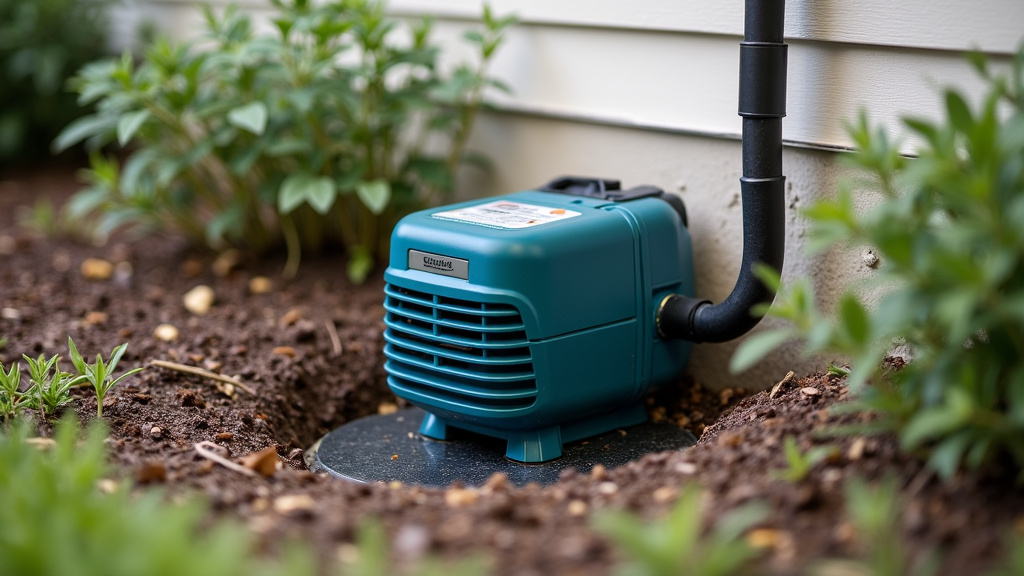
When to Be Concerned About Sump Pump Frequency
Excessively Frequent Cycling (Short Cycling)
One of the most telling signs of a potential issue is short cycling. This is when the pump turns on, runs for only a short time, and then shuts off. It might repeat this cycle rapidly. This can happen if the pump is too powerful for the pit size, or if the float switch is set too high. Short cycling is bad for the pump’s motor. It causes wear and tear and can lead to premature failure. It also means the pump isn’t effectively removing water.
Constant Running or Very Little Rest
If your sump pump runs almost constantly, or only shuts off for very brief periods, it’s a sign that it’s struggling. This indicates a substantial water problem. It could be a major drainage issue outside, a cracked foundation letting in a lot of water, or a high water table that isn’t receding. This continuous running puts immense strain on the pump and its motor. It might be a sign that the pump is undersized or failing. Addressing the root cause of the excessive water is crucial.
No Activity When Water is Present
The opposite problem is also concerning: the sump pump doesn’t turn on when you can see water accumulating in the pit or basement. This is a serious indicator that your pump isn’t working at all. The cause could be a failed motor, a blown fuse, a tripped circuit breaker, or a faulty float switch. If your pump isn’t activating when it should, your basement is at immediate risk of flooding. This needs immediate attention.
Your Sump Pump’s Runtime: A Quick Checklist
To help you assess your sump pump’s performance, consider these points. Are you noticing any of these?
- Does your pump turn on and off quickly in rapid succession?
- Is your pump running almost all the time?
- Have you noticed water in your basement when the pump isn’t running?
- Does your pump fail to turn on even when the water in the pit is high?
- Is the frequency of your pump’s activation significantly different than usual?
- Are your gutters and the ground around your house directing water away from the foundation?
Conclusion
Your sump pump is your basement’s silent guardian. Its run frequency isn’t a one-size-fits-all number. We’ve seen that weather, your home’s drainage, and even the pump’s setup all play a part. Occasional cycles after rain are normal and healthy. But if your pump is short-cycling, running constantly, or not running at all, it’s time to investigate. Pay attention to these patterns. If you notice anything unusual, it’s wise to contact a professional. This proactive step ensures your home stays protected from water damage.
Frequently Asked Questions
How often should my sump pump run per day?
There’s no set number of times a sump pump should run daily. Its cycles depend entirely on how much water is entering your sump pit. During heavy rain, it might run many times. During dry spells, it might not run at all for weeks. Monitoring for consistent patterns is more important than counting daily cycles.
Can my sump pump run too much?
Yes, your sump pump can run too much, which is often a sign of an issue. If it runs constantly or cycles on and off rapidly (short cycling), it’s straining the motor. This indicates a problem like excessive water inflow, a drainage issue, or an improperly sized pump. It can lead to premature wear and failure.
What does it mean if my sump pump never runs?
If you have water in your basement or sump pit and your pump isn’t running, it’s a serious problem. This usually means the pump has failed. Common causes include a tripped breaker, a blown fuse, a faulty float switch, or a motor that has burned out. You should address this immediately to prevent flooding.
Does a quiet sump pump mean it’s not working?
No, a quiet sump pump is often a good thing. It means the pump is working efficiently when it needs to and is likely not overworked. If you don’t hear it running often, it suggests your basement is staying relatively dry, which is the goal. Occasional activation is expected, but constant noise isn’t.
How can I check if my sump pump is working correctly?
You can perform a simple test by pouring a few buckets of water directly into the sump pit. Watch to see if the water level rises enough to trigger the float switch and start the pump. Observe if it then pumps the water out effectively and shuts off automatically. This test can help you identify potential operational issues.