What Is a Submersible Sump Pump? Plainly Explained
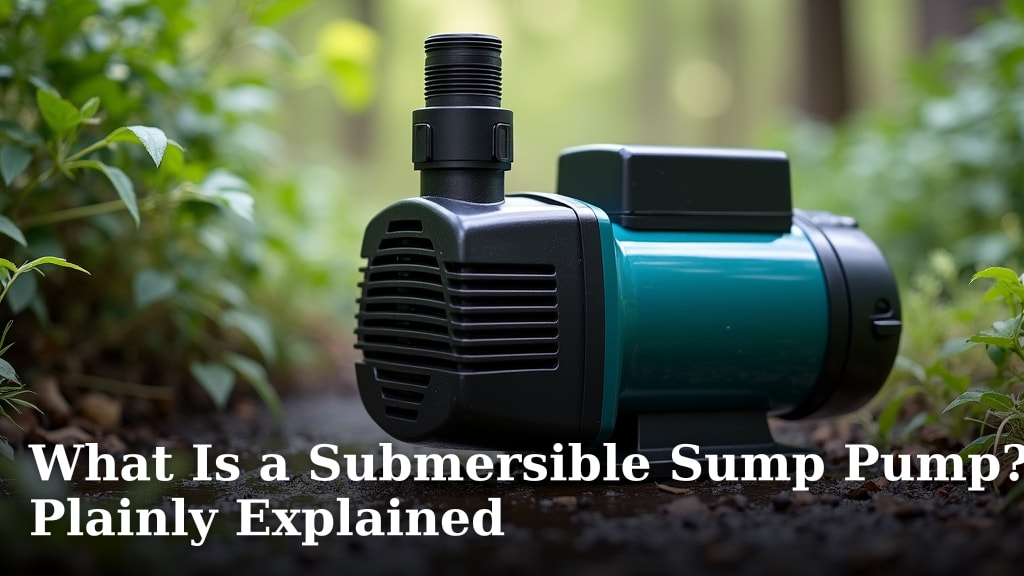
A submersible sump pump is a water pump designed to sit fully submerged in water, typically at the bottom of your home’s sump pit. Its main job is to automatically remove excess water from your basement or crawl space, preventing flooding and water damage. You’ll find it kicking on when water levels rise, saving your home from a soggy situation.
Unlike pedestal pumps that sit above the water, submersible models are built to be underwater. This design offers several benefits, including quieter operation and better cooling for the motor. Many homeowners choose submersible pumps for their durability and effective water removal capabilities, making them a popular choice for basement protection.
- A submersible sump pump lives underwater in your sump pit.
- It automatically pumps out excess water to stop basement flooding. Our guide explains how long a sump pump runs and what factors influence its operation.
- These pumps are generally quieter and more durable than others.
- They are designed for continuous or frequent operation.
- This keeps your basement dry and prevents costly water damage.
Let’s dive into what makes these pumps so useful and how they work to keep your basement safe and dry.
Understanding Your Submersible Sump Pump
So, what exactly is a submersible sump pump and why might it be sitting at the bottom of your basement? Simply put, it’s a water pump designed to work while fully submerged in water. Its primary job is to keep your basement or crawl space dry by automatically removing any excess water that collects there. Think of it as your home’s diligent lifeguard, always on duty to prevent flooding.
Unlike other types of sump pumps that might sit above the water line, a submersible model is built to be immersed. This underwater design isn’t just for show; it comes with several practical advantages for keeping your home safe and dry. We’ll explore these benefits and how this pump works its magic.
How Does a Submersible Sump Pump Work?
The operation of a submersible sump pump is quite straightforward. It lives in a special basin called a sump pit, which is usually dug into the lowest part of your basement floor. This pit is designed to collect groundwater and any water that seeps into your foundation. When the water level in the pit rises to a certain point, it triggers the pump to turn on.
This trigger is typically a float switch. You can imagine it like the float in your toilet tank. As the water rises, it lifts the float. Once the float reaches a predetermined height, it activates the pump’s motor. The pump then sucks up the water from the pit and expels it through a discharge pipe, carrying it away from your home’s foundation. When the water level drops, the float goes down, and the pump shuts off. This cycle repeats automatically, keeping the water level in check.
The Role of the Sump Pit
The sump pit is essential for the submersible pump to function correctly. It acts as a collection point for unwanted water. Its size can vary, but it needs to be large enough to hold a sufficient amount of water to allow the pump to run for a decent cycle before shutting off. This is important because frequent short cycles can wear out the pump motor prematurely. Many building codes specify minimum dimensions for sump pits to ensure proper operation.
The Float Switch: Your Pump’s Brain
The float switch is the unsung hero of the submersible sump pump system. It’s the device that tells the pump when to start and stop. There are a few common types: the vertical float, which moves up and down on a rod, and the tethered float, which swings on a cord. Both achieve the same goal: detecting the water level. When the water reaches a certain height, the float rises and closes an electrical circuit, powering the pump. As the water recedes, the float drops, opening the circuit and stopping the pump.
We’ve found that understanding your float switch is key to understanding your pump’s behavior. If you notice your pump isn’t turning on or off as it should, the float switch is often the first place to look.
Why Choose a Submersible Design?
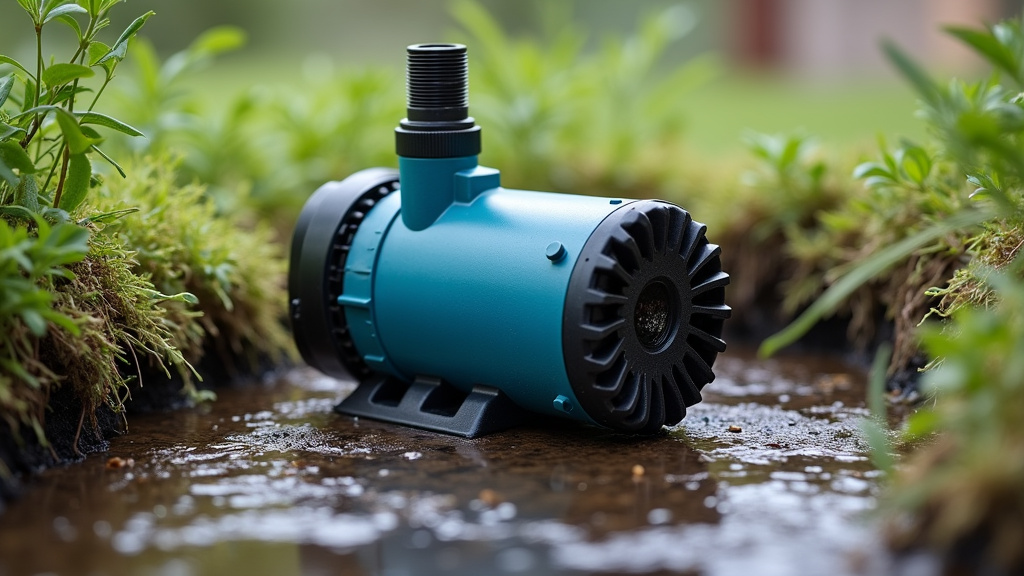
Submersible sump pumps offer several advantages that make them a popular choice for homeowners. Their design means they are out of sight and out of mind, sitting quietly at the bottom of the pit. This placement also contributes to quieter operation and better motor cooling, which can lead to a longer lifespan for the pump.
Quieter Operation
One of the most noticeable benefits of a submersible sump pump is its quiet operation. Because the pump motor is housed in a sealed, waterproof casing and sits
Conclusion
You’ve learned that a submersible sump pump is your basement’s silent guardian. It sits fully underwater in its pit, ready to automatically pump away excess water. This keeps your home safe from flooding and water damage. Its sealed design makes it quieter and often more durable than other types. Understanding how the float switch works is key to knowing your pump is functioning correctly. For peace of mind, consider inspecting your sump pit and pump regularly to ensure they’re ready for action.
Frequently Asked Questions
How often should a submersible sump pump run?
Ideally, a submersible sump pump should not run constantly. It should cycle on and off as water levels rise and fall in the sump pit. Frequent, short cycles can indicate a problem, such as a pit that’s too small or a discharge pipe blockage.
Can a submersible sump pump run dry?
No, submersible sump pumps are designed to operate while submerged in water. Running one dry can cause the motor to overheat and fail, as the water helps cool it down. Always ensure there is sufficient water in the pit before the pump activates.
What is the lifespan of a submersible sump pump?
The average lifespan of a submersible sump pump is typically between 5 to 15 years. This can vary depending on the quality of the pump, how often it runs, and regular maintenance. Proper installation and care can help extend its life.
How do I know if my submersible sump pump is failing?
Signs of a failing submersible sump pump include unusual noises, frequent cycling, not turning on when needed, or running constantly. If you notice any of these issues, it’s wise to have your pump inspected by a professional.
Can I install a submersible sump pump myself?
While some DIY-savvy homeowners can install a submersible sump pump, it often involves working with plumbing and electrical systems. If you’re not comfortable with these tasks, it’s best to hire a qualified plumber or technician to ensure the job is done safely and correctly.