How Does a Sump Pump Remove Water? A Closer Look
How a Sump Pump Works to Remove Water
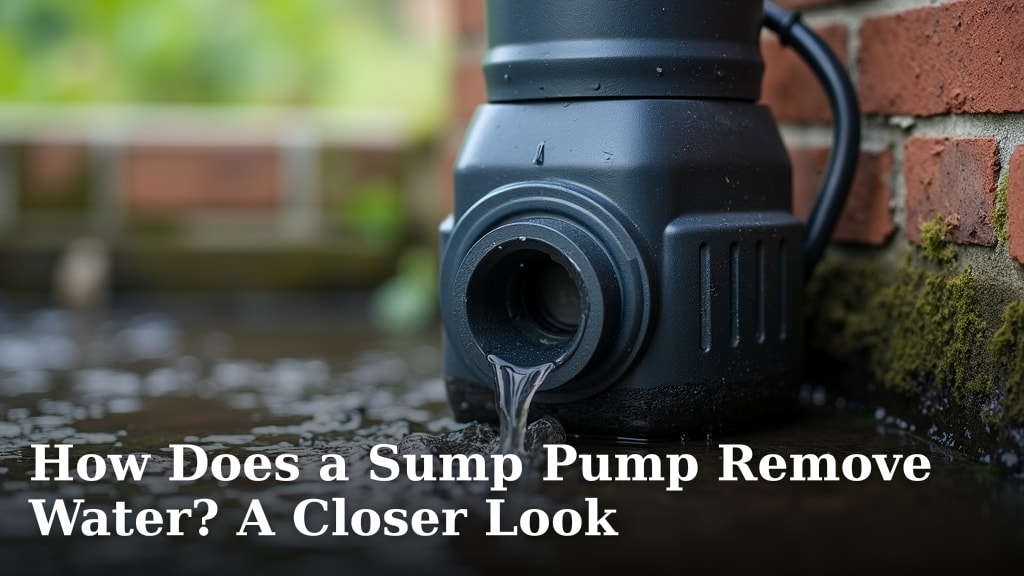
A sump pump removes water by collecting it in a basin and pushing it away from your home through a discharge pipe. It turns on automatically when water reaches a set level. Then it moves the water to a safe spot outside, like a drainage ditch or storm drain. It’s simple, but it’s one of the hardest-working devices in your basement.
You might not think about your sump pump until it stops working. But understanding how it works can help you keep your home dry. Let’s take a closer look at the moving parts and how they all fit together.
The Key Parts Inside a Sump Pump
A sump pump doesn’t need a lot of parts to do its job. But every piece plays an important role. Think of it like a team where each player has one job.
The main components include the motor, the impeller, the float switch, and the discharge pipe. Each one does something different, and they all work together to move water out of your home. The motor powers the pump. The impeller spins to create suction. The float switch tells the pump when to start. The pipe carries the water away.
Without any one of these parts, the whole system breaks down. So it helps to know what each one does.
The Float Switch: The Brain of the Operation
The float switch is the part that decides when the pump turns on and off. It sits inside the sump pit and rises with the water level. When the water gets high enough, the switch triggers the pump. When the water drops back down, the pump shuts off.
Some pumps use a tethered float, which hangs freely. Others use a vertical float, which slides up and down on a rod. Both types work well. But we found that vertical floats tend to last longer because they have fewer moving parts that can get stuck.
If your float switch gets jammed, the pump won’t turn on. That’s one of the most common reasons sump pumps fail, according to home maintenance guides from the International Association of Certified Home Inspectors (InterNACHI).
Step-by-Step: How Water Gets Pumped Out
Here’s what happens when rain starts pooling in your basement or groundwater rises around your foundation. The process follows a clear sequence.
- Water flows into the sump pit, a hole dug in the lowest part of your basement or crawl space.
- The water level rises and lifts the float switch.
- The float switch triggers the motor to start running.
- The motor spins the impeller, which creates suction at the bottom of the pit.
- Water gets pulled into the pump and pushed through the discharge pipe.
- The water exits your home and flows to a safe area outside.
- Once the water level drops, the float switch turns the pump off.
This cycle can repeat many times during a heavy storm. It’s designed to handle lots of water without you lifting a finger. The whole process takes only a few minutes each time.
Many experts say that a sump pump can move between 1,500 and 3,000 gallons per hour, depending on the model. That’s enough to keep most basements dry during a serious storm.
Different Types of Sump Pumps
Not all sump pumps are the same. There are two main types you’ll run into when shopping. Each one has its own strengths and weaknesses. Knowing the difference helps you pick the right one.
Pedestal vs. Submersible Sump Pumps
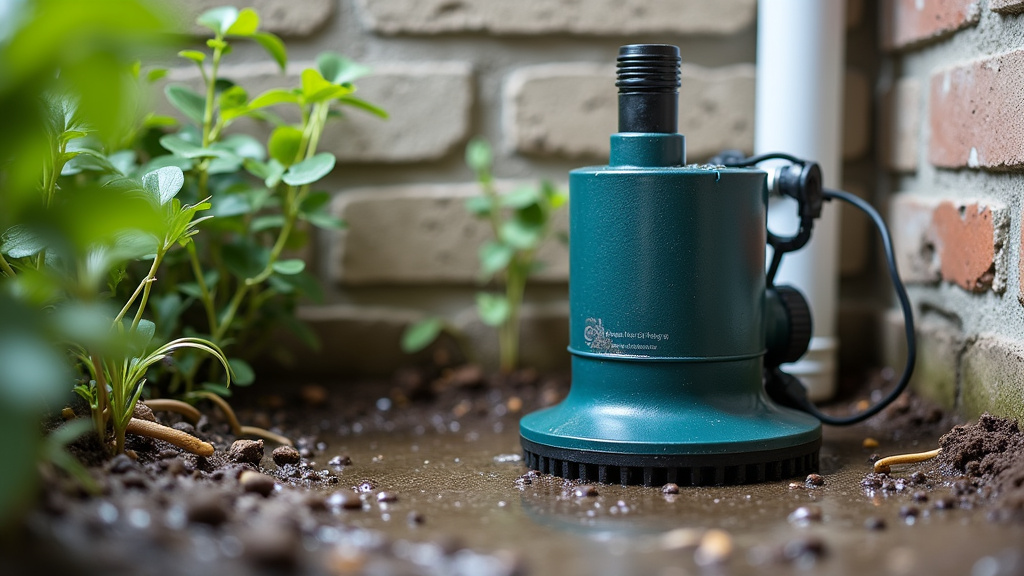
The two most common types are pedestal pumps and submersible pumps. A pedestal pump sits on top of the sump pit. The motor stays dry. A submersible pump goes right inside the pit and sits under the water.
Both types get the job done. But they’re built differently, and that affects how they perform.
| Feature | Pedestal Pump | Submersible Pump |
|---|---|---|
| Placement | Sits above the pit | Submerged in water |
| Lifespan | 25-30 years on average | 7-10 years on average |
| Noise Level | Louder | Quieter |
| Cost | Less expensive | More expensive |
| Power | Handles light to moderate water | Handles heavy water flow |
| Maintenance | Easier to access | Harder to access |
Pedestal pumps are easier to maintain because the motor isn’t underwater. But submersible pumps are better for homes that deal with a lot of water. According to the U.S. Department of Energy, submersible models tend to be more energy-efficient because they don’t have to work as hard to push water upward.
So which one is right for you? It depends on how much water you get and how often. If you only have a little moisture, a pedestal pump might be enough. If you live in a flood-prone area, go with a submersible.
There’s also a third option worth mentioning: the battery backup sump pump. This one kicks in when the power goes out. Since storms cause power outages, this can be a lifesaver. You don’t want to find out your pump stopped working during the worst rain of the year.
Why Sump Pumps Sometimes Stop Working
Even the best sump pump can break down. It’s not a matter of if, but when. Knowing why helps you stay ahead of the problem.
Most sump pump failures come from a few simple causes. The good news is that most of them are preventable. You just need to know what to look for.
Warning Signs to Watch For
Your sump pump will usually give you clues before it fails completely. Pay attention to these signs. They can save you from a flooded basement and expensive repairs.
- Strange noises like grinding, rattling, or humming that sound different than usual.
- Water pooling around the pump or in areas where it didn’t pool before.
- The pump runs constantly and never shuts off, even when there’s no water.
- The pump
Conclusion
A sump pump is a simple yet vital system for protecting your home from water damage. It automatically collects water in a pit and pumps it outside when the level gets too high. The key is its teamwork of parts, like the motor, float switch, and discharge pipe, all working together. You learned about different types, such as pedestal and submersible models, and common signs of trouble to watch for. Understanding how your pump works helps you maintain it better. Your next step is to check your sump pump’s float switch and test it with water to make sure it’s ready for the next storm.
Frequently Asked Questions
How deep does a sump pump pit need to be?
The standard sump pit is usually 24 to 36 inches deep and about 18 inches wide. This size gives the float switch enough room to move and the pump to operate without constant cycling. A pit that’s too shallow can cause the pump to turn on and off too frequently.
Can a sump pump work without electricity?
A standard sump pump needs electricity to run. However, you can install a **battery backup sump pump** that kicks in during a power outage. This backup system uses a car battery to keep pumping water when your main power fails, which is common during severe storms.
How long do most sump pumps last?
The lifespan depends on the type and usage. A **pedestal pump** can last 25 to 30 years because its motor stays dry. A **submersible pump** typically lasts 7 to 10 years since it’s constantly in water. Regular maintenance can help extend the life of any pump.
What should I do if my sump pump keeps running?
If your pump runs nonstop, first check if the float switch is stuck or tangled. Clear any debris from the pit and ensure the switch moves freely. You should also verify the discharge pipe isn’t clogged. If the problem persists, it’s time to call a professional for inspection.
How can I test my sump pump at home?
Pour a bucket of water into the sump pit to raise the water level. The float should rise and trigger the pump to turn on. Watch to make sure it pumps the water out and shuts off automatically. Perform this simple test every few months to ensure it’s working correctly.