How Does a Sump Pump Turn Off? What Homeowners Should Know
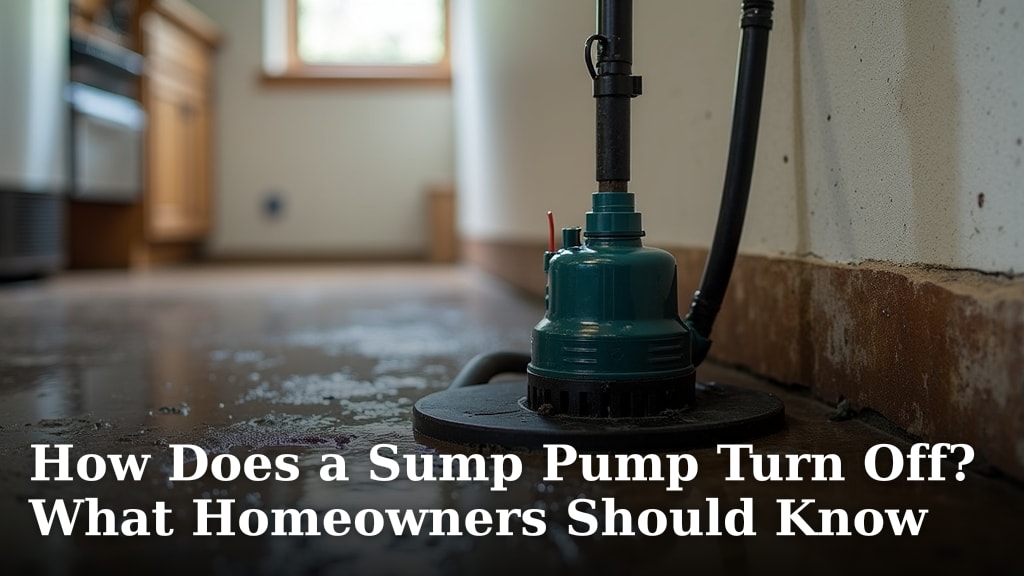
Understanding How Your Sump Pump Shuts Off
A sump pump turns off automatically when the water in your sump pit drops below a certain level. This prevents the pump from running dry and burning out. The main component controlling this is a switch that tells the pump when to start and when to stop.
The Role of the Switch: It’s All About the Float
Most residential sump pumps use a float switch. Think of it like the ball in a toilet tank. As water fills the pit, the float rises. When it reaches a set height, it triggers the pump to turn on. As the pump removes water, the float lowers. Once it drops to the “off” position, the pump shuts down. This simple mechanical action is the heart of the system.
Types of Float Switches
Not all floats are created equal. You’ll typically encounter two main designs, each with its own way of working.
- Tethered Float Switch: A ball on a cord is the classic design. It hangs from the pump and moves up and down freely with the water level. It’s common but can sometimes get tangled.
- Vertical Float Switch: This is a rod with a float that slides along it. It moves straight up and down, taking less space. It’s often considered more reliable because it has fewer places to get stuck.
Electronic and Smart Switches: The Modern Approach
Some newer pumps use electronic or digital switches instead of a mechanical float. These systems often use pressure sensors or electronic eyes to detect water levels. They have no moving parts in the water, which can mean fewer jams. Some smart pumps can even send alerts to your phone if they detect a problem or run too long.
How a Sensor-Based System Works
Imagine a tiny, waterproof sensor placed at the “off” level in the pit. When the water drops below it, the sensor sends a signal to the pump’s control board. The board then cuts power to the motor. It’s a cleaner, often more precise method than a physical float.
| Switch Type | How It Detects “Off” | Potential Pro | Potential Con |
|---|---|---|---|
| Tethered Float | Ball physically lowers, opening the circuit. | Simple, inexpensive design. | Can snag on cords or pit walls. |
| Vertical Float | Float slides down the rod to the off position. | More compact, reliable movement. | Still a mechanical part that can fail. |
| Electronic/Sensor | Sensor detects water level drop and signals control board. | No moving parts in water. | More complex, potential for sensor error. |
Why Your Pump Might Not Turn Off (And Why It’s a Problem)
A sump pump that runs continuously is a serious red flag. It’s wasting electricity, putting immense wear on the motor, and could lead to a premature, unexpected failure. The number one cause is usually a problem with the shut-off mechanism itself.
Common Culprits for a Running Pump
When your pump won’t quit, start by looking at the most common issues. You can often diagnose the problem with a simple visual check.
- Stuck Float Switch: The tethered float is caught on something—a pipe, a power cord, or debris in the pit. It’s stuck in the “on” position. A gentle nudge might free it.
- Debris in the Pit: Small rocks, sediment, or trash can physically block the float’s path or coat a sensor. Keeping the pit clean is preventative maintenance.
- Pump Too Small for the Job: If groundwater is flooding your pit faster than the pump can remove it, the water level may never drop enough to lower the float. This is a sizing issue.
- Incorrect Installation: If the pump sits too low in the pit, the float might not have enough room to fully descend to the “off” position.
The Check Valve: Your Silent Partner in Shut-Off
You have another component working with your switch. The check valve is installed on the discharge pipe leading out of the pump. Its job is to let water flow out, but not back in. This is critical for proper shut-off.
How a Faulty Valve Causes Problems
Without a working check valve, water left in the discharge pipe flows back into the pit the moment the pump stops. This refills the pit, raising the water level and causing the pump to start again almost immediately. This rapid on-off cycle is called “short-cycling” and it’s brutal on your pump’s motor. We found that a failing check valve is a leading cause of premature pump death (HomeServe). It creates a never-ending loop.
Key Signs Your Shut-Off System Needs Attention
Your pump will give you hints that something is wrong before it fails completely. Pay attention to these warning signs.
Listen and Watch
Your ears and eyes are your best diagnostic tools. Is the pump running more often or for longer periods than usual? Do you hear it turn on and off rapidly? Is there water standing in the pit after the pump seems to have finished? Any of these are clues.
Essential Maintenance for a Reliable Shut-Off
You can prevent most shut-off failures with regular, simple checks. It’s like giving your pump a quick health inspection every few months.
Your Sump Pump Maintenance Checklist
Print this out or save it on your phone. Follow it every 3-4 months and before heavy rainy seasons.
- Test the Float: With the pump unplugged, reach into the pit (wear gloves!) and gently lift the float. You should hear a “click.” Lower it, and you should hear it click again. If it doesn’t click, the switch may be broken.
- Clean the Pit: Remove any gravel, sediment, or debris that could block the float. A clean pit is a happy pit.
- Pour Water: Pour a bucket of water into the pit. Watch the float rise and confirm the pump turns on. Let it run and confirm it turns off cleanly when the pit is empty.
- Inspect the Discharge Pipe: Check outside that the pipe isn’t clogged with dirt, leaves, or even an insect nest. Ensure it drains away from your foundation.
- Check for Corrosion: Look at the pump housing and electrical components for any signs of rust or wear. Corrosion can cause components to fail.
When to Call a Professional
While testing and cleaning are great DIY tasks, some issues require a pro. If your pump continuously runs after you’ve checked for a stuck float and cleaned the pit, it’s time to call. Electrical problems, pump motor failure, or a need for a new installation are jobs for a licensed plumber or electrician. Don’t risk electrical shock or improper work that could flood your basement. A professional can also help you choose the right size pump if yours is undersized for your home’s water table.
Conclusion
You now understand the simple yet vital process that keeps your sump pump from running forever. It relies on a switch—most often a float—that senses the water level and cuts the power when the pit is empty. Remember, the check valve plays a silent but critical role by preventing water from flowing back and causing rapid, damaging cycles. Most importantly, you have the knowledge to perform simple checks. Your next step is to schedule a quick inspection. Test the float and pour some water to watch the cycle. A few minutes of your time now can prevent a messy, expensive problem later.
Frequently Asked Questions
What should I do if my sump pump runs non-stop?
First, check for a stuck float switch or debris in the pit. Gently clear any blockage. If it continues running, the check valve may have failed, or the pump might be undersized for your water flow. In this case, it’s best to call a professional for a diagnosis.
How often should I test my sump pump’s shut-off feature?
You should test it every three to four months. Pour a bucket of water into the sump pit to manually start the pump. Watch to ensure it turns off automatically once the water is removed. Perform this test before heavy rainy seasons.
Can I fix a stuck float switch myself?
Often, yes. Unplug the pump first for safety. Gently move the float to free it from any cords or debris. If the switch is broken and doesn’t click, it will need replacement. If you’re unsure, contact a plumber to avoid electrical risks.
What’s the difference between a float switch and an electronic switch?
A float switch uses a physical ball or rod that moves with the water. An electronic switch uses a sensor to detect the water level. Electronic models have fewer moving parts in the pit, which can mean fewer jams, but they are more complex.
Why does my sump pump turn on and off so quickly?
This “short-cycling” is often caused by a faulty check valve. Water flows back into the pit after the pump stops, forcing it to turn on again. It can also happen if the pump is not installed at the correct height in the pit.