What Is a Sump Pump Alarm? A Direct Answer
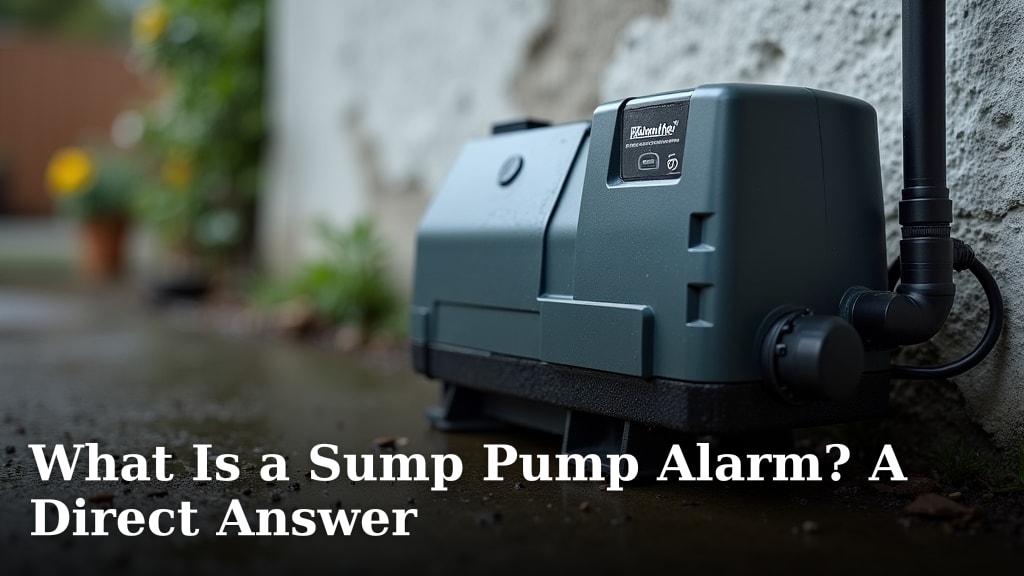
A sump pump alarm is a small alert device that tells you when your sump pump is having trouble or when water levels are too high. It’s a simple tool that helps prevent water damage and keeps your basement dry.
Think of it as a backup guard for your sump pump. We found that many experts recommend one because it gives you **early warning** before a small problem becomes a big, costly mess. It connects to your pump and sends an alert—like a loud beep or a phone notification—so you’re not left guessing.
- Direct Answer: It’s an alarm that monitors your sump pump and water level.
- Core Purpose: It warns you of pump failure or high water to prevent flooding.
- Key Benefit: It provides peace of mind and helps you act fast.
- Common Types: Battery-operated or hardwired with audible or smart alerts.
- Simple Addition: It’s an easy, affordable add-on to your existing pump system.
Below, we break down exactly what these alarms do, how they work, and how to choose the right one for your home—so you can avoid that flooded basement surprise party.
Understanding How a Sump Pump Alarm Works
At its core, a sump pump alarm is a straightforward monitoring device. Its job is to watch two key things: the health of your pump and the water level in your sump pit. It acts as an early warning system, giving you a heads-up before water has a chance to rise and flood your basement floor.
Think of it like the “check engine” light for your home’s water defense system. When everything is working normally, it stays quiet. But if something goes wrong—a power outage, a clogged line, or a mechanical failure—it lets you know immediately so you can take action.
Two Main Jobs: Pump Status and Water Level
Most alarms monitor one or both of these critical points. The specific job depends on the type of alarm you choose, but both are designed for the same ultimate goal: preventing water damage.
Monitoring the Pump Itself
This function tracks whether your pump is running or has power. If the pump is supposed to be on but isn’t, or if it loses electrical power, this alarm will trigger. It answers the vital question: “Is my pump even trying to work?” We found that pump failure is a leading cause of basement floods, making this feature essential.
Monitoring the Water Level
This sensor sits in the sump pit and watches the water. If the water rises past a safe point—either because the pump can’t keep up or isn’t running—it triggers the alarm. This is your direct alert that flooding is imminent and the system is overwhelmed. According to the Insurance Institute for Business & Home Safety, water from internal sources is a top cause of residential property loss, underscoring the need for such alerts.
Types of Sump Pump Alarms and Their Alerts
Not all alarms are created equal. They vary in how they’re powered and, more importantly, how they grab your attention when trouble strikes. The right choice often depends on where you are most likely to hear or see the alert.
Common alert methods include a loud indoor siren, a light, a push notification to your phone, or even a combination of these. Your lifestyle and home layout should guide this decision.
Power Source: Battery vs. Hardwired
The power source determines if your alarm works during a power outage—the very time you need it most.
- Battery-Operated Alarms: These are typically wireless and run on replaceable or rechargeable batteries. Their biggest advantage is reliability during power failures. You won’t have to remember to charge it; it just sits there, ready.
- Hardwired Alarms: These are plugged into a standard outlet or wired directly into your home’s electrical system. They are very reliable during normal operation but can fail if the power goes out, unless they have a backup battery. Some models include a battery backup for this exact reason.
Alert Style: Audible, Visual, or Smart
This is about how the alarm communicates with you.
- Audible Alarm (Siren): This is the classic, loud beep or siren. It’s simple, effective, and works even if you’re asleep. The drawback is if you’re not home—you won’t hear it.
- Visual Alert (Flashing Light): Often a bright strobe light, this is great for people who are hard of hearing or for noisy environments where you might not hear a beep. It serves as a strong visual backup.
- Smart Alarms: These connect to your home Wi-Fi and send alerts directly to your smartphone via an app. You can get a notification anywhere, which is perfect for when you’re away at work or on vacation. Many smart models also include audible and visual alerts.
The Real Benefits of Having an Alarm
Why bother adding another device to your basement? The benefits move beyond simple peace of mind into tangible protection for your home and wallet.
Immediate notification is the primary benefit. Instead of discovering a flooded basement days later when a musty smell develops, you find out while the water is still just a puddle in the pit. This allows for a fast, manageable fix.
Other key benefits we’ve noted from expert guidelines include:
- Early Problem Detection: A failing pump often gives warnings before it quits entirely. An alarm can catch a struggling pump, letting you repair or replace it before it fails completely.
- Mitigation of Severe Damage: Water damage can destroy flooring, drywall, furniture, and valuable stored items. According to the National Flood Insurance Program, just one inch of water can cause over $25,000 in damage to a home.
- Help When You’re Away: A smart alarm that sends a phone notification can save the day while you’re on vacation, potentially giving you time to contact a neighbor or plumber.
- Potential Insurance Benefits: While not guaranteed, having preventative measures like an alarm system may be viewed favorably by some insurance providers. It demonstrates proactive home maintenance.
Installation and Placement: Simple but Important
Most homeowners can install a sump pump alarm without professional help. The process is generally simple, but correct placement is crucial for it to work.
Placement is everything. The water-level sensor must sit in the sump pit at the correct height—high enough to avoid false alarms from normal water movement, but low enough to give you a meaningful warning before the pit overflows. The main unit (with the siren and/or light) should be placed where you will reliably hear or see it, such as in an adjacent room or a well-trafficked area.
Key Steps for Successful Setup
Follow these basic steps for a reliable installation. Always read the manufacturer’s manual first, as models can vary.
- Step 1: Choose the Location. Decide where you’ll mount the main alarm unit and place the sensor. For the sensor, mark the desired “alarm level” inside your dry sump pit.
- Step 2: Install the Main Unit. Mount the siren/light unit on a wall or joist using the provided hardware. Ensure it’s secure and not obstructed.
- Step 3: Place the Sensor. Lower the float sensor into the pit. Secure its wire so it won’t interfere with the pump or other equipment. Set the float height according to instructions.
- Step 4: Test Everything. Before considering the job done, you must test it. Manually lift the float sensor to simulate high water and confirm the alarm sounds or sends a notification. Check that the pump status alert works by temporarily unplugging the pump (if that’s the model you have) and ensuring the alarm triggers.
Choosing the Right Alarm for Your Home
With several options available, how do you pick? Consider these factors to match an alarm to your needs and home setup.
Think about your priorities. Are you most concerned about power outages? Do you travel often and need remote alerts? Answering these questions will point you to the right type.
Comparison Table: Alarm Types at a Glance
| Feature | Battery-Powered with Siren | Hardwired with Siren & Light | Smart Wi-Fi Alarm |
|---|---|---|---|
| Power During Outage | Yes, reliable. | No, unless it has a battery backup. | Depends on model; some have battery backup. |
| Alert Method | Loud audible siren. | Loud siren + flashing strobe light. | Phone notification + often siren/light. |
| Remote Monitoring | No. | No. | Yes, from anywhere with internet. |
| Ideal For | Basics, peace of mind, outage readiness. | Reliable in-home alert, especially for visual/hearing impaired. | Frequent travelers, tech-savvy homeowners, ultimate alerts. |
| Typical Complexity | Very simple setup. | Simple, may need to plug in. | Requires Wi-Fi and app setup. |
Maintenance: Keeping Your Alarm Reliable
An alarm is only helpful if it works when needed. Like any safety device, it requires minimal but regular check-ups. The Department of Homeland Security’s Ready.gov recommends testing all home safety alarms regularly.
A simple monthly check takes less than a minute and is the best way to ensure readiness. Make it part of your routine, perhaps the first Saturday of every month.
Your Alarm Maintenance Checklist
- Press the Test Button: Most alarms have a test button. Press it to confirm the siren sounds and/or lights flash. If it’s a smart alarm, verify the app notification arrives.
- Check Sensor Position: Visually inspect the float sensor in the pit. Ensure it’s not tangled, stuck, or resting against the pit wall.
- Listen for the Alarm: Can you hear it clearly from main living areas? If not, consider relocating the main unit or adding a compatible remote siren.
- Replace Batteries: For battery-operated units, follow the manufacturer’s schedule. Most suggest replacing batteries every 12-24 months, even if they seem to work.
- Clean the Unit: Wipe any dust or debris off the sensor and alarm unit to prevent interference. Do this gently and never with water.
- Confirm Smart Connectivity: Open the app to ensure the device is online and the connection is stable. Update the app firmware when available.
Conclusion
A sump pump alarm is one of the simplest ways to protect your basement from unexpected flooding. It watches your pump and water level, then alerts you the moment something goes wrong. You now know the main types, how they work, and what to look for when picking one. The best part is that installation is quick and affordable, and ongoing maintenance is minimal. We recommend starting by assessing your home’s needs: Do you travel often? Is power outages a concern? Once you have that answer, choose an alarm that fits. Your next step is to pick an alarm and install it this weekend. A small device today can save you thousands in water damage tomorrow.
Frequently Asked Questions
How much does a sump pump alarm cost?
Most basic battery-operated alarms range from $15 to $40. Smart Wi-Fi alarms with app notifications typically cost between $40 and $100. The price depends on features like remote alerts and battery backup.
Can I install a sump pump alarm myself?
Yes, most homeowners can install one without professional help. The process usually takes about 15 to 30 minutes. Just follow the manufacturer’s instructions, place the sensor correctly, and test it before you rely on it.
Does a sump pump alarm work during a power outage?
It depends on the type. Battery-operated alarms work reliably during outages. Hardwired alarms without a battery backup will stop working when the power goes out, which is exactly when you need them most.
What happens when a sump pump alarm goes off?
You’ll hear a loud siren or receive a phone notification, depending on your model. This means water levels are too high or your pump has stopped working. You should check your sump pit right away and address the issue.
Do I need a sump pump alarm if I already have a backup pump?
A backup pump is great, but it doesn’t alert you if both pumps fail or if something else goes wrong. An alarm adds an extra layer of protection by notifying you of problems you might otherwise miss until it’s too late.