What Is a Sump Pump Discharge? The Short Answer
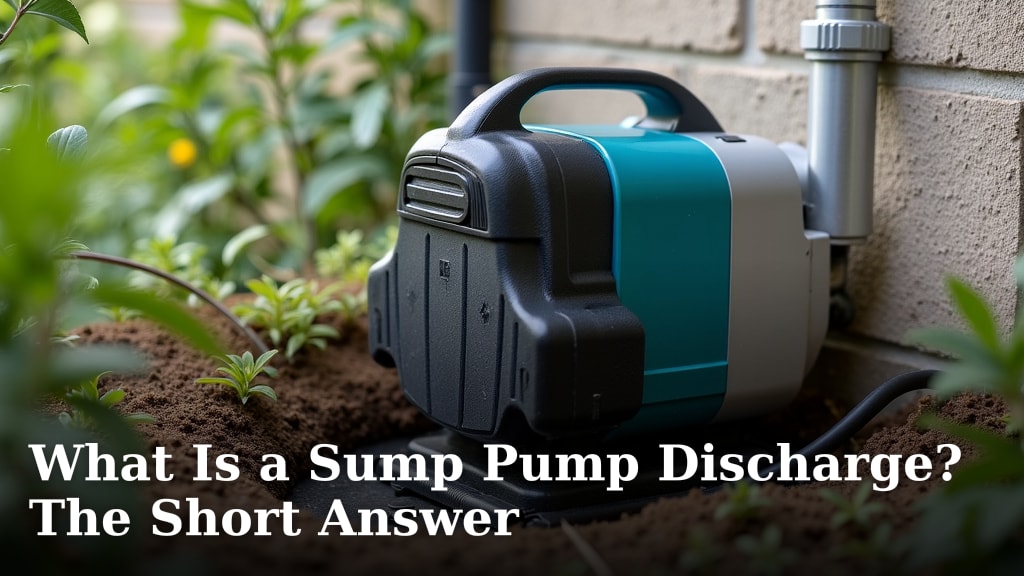
A sump pump discharge is the pipe that carries water out and away from your home after a sump pump removes it from your basement or crawl space. It’s essentially the pump’s exit route, making sure the water doesn’t just flow back inside. We found this is one of the most important parts of keeping a dry basement.
This discharge line typically runs from the pump, through your foundation wall, and to a spot outside where the water can drain safely away. Many experts say the proper location for this outlet is at least 10 feet from your foundation, on a downward slope. The goal is simple: move that water far enough away so it can’t seep back toward your house.
- The discharge is a pipe that carries pumped water away from your home.
- It connects to your sump pump and exits through your foundation wall.
- Water must drain at least 10 feet from the house on a downward slope.
- A proper discharge prevents water from seeping back into your basement.
- It’s a critical part of your home’s water management system.
Below, we break down everything you need to know about sump pump discharge lines, from how they work to common problems you can fix yourself.
Understanding Your Sump Pump’s Discharge Line
The short answer is that the discharge line is the pipe that takes water removed from your basement and sends it outside. Think of it like the exit ramp for a pool pump. After the sump pump lifts water out of the pit, the discharge pipe is the highway that guides it away from your home’s foundation. Without this critical pathway, the pump would just be pushing water in a circle.
How the Discharge System Actually Works
Let’s walk through the journey. It starts in your sump pit, where the pump sits. When water rises to a certain level, the pump turns on. It forces water through a **check valve** (which prevents backflow) and into the discharge pipe. This pipe is usually made of **Schedule 40 PVC** or similar rigid material.
From Pump to Foundation
The pipe typically runs from the pump, up through the top of the sump pit, and then takes a path either vertically or at an angle towards your foundation wall. It must pass through this wall to get outside. Most systems require a small, sealed hole about 2-3 inches in diameter. A proper **through-wall fitting** and sealant prevent water and pests from getting in.
The Outdoor Exit Point
Once outside, the pipe usually ends. Where that end is located is everything. We found guidelines from the International Association of Plumbing and Mechanical Officials (IAPMO) and many local building codes recommend the outlet be a minimum of 10 feet from your foundation. It should also be on a **downward slope** so gravity helps move the water away. This prevents the “water boomerang” effect where pumped water seeps right back into your basement.
Why the 10-Foot Rule Matters
Soil near your foundation is often backfill, which is loose and absorbent. If water is discharged just a few feet away, it can easily saturate this soil and find its way back to your walls. Pushing it further out gets it into undisturbed soil that drains better. A 1% minimum slope (about 1/8 inch per foot) is a common recommendation for the trench or ground surface leading away from the outlet.
Common Discharge Line Materials
The material you choose impacts durability, cost, and ease of installation. We compared the most common options you’ll find at hardware stores.
| Material | Pros | Cons | Best For |
|---|---|---|---|
| Schedule 40 PVC | Durable, affordable, smooth interior for good flow, widely available. | Rigid, requires more precise cuts and fittings, can crack in freezing temps if water is trapped. | Permanent indoor runs and outdoor lines where freezing is not a major concern. |
| Corrugated Plastic (Weep Hole) | Flexible, very easy to install and snake through tight spaces, cheap. | Flexible ribs can trap debris, less durable, looks less professional. | Temporary solutions, extremely tight spaces, or as a final outdoor extension. |
| Flexible Discharge Hose Kit | Often sold as a complete kit, includes fittings, designed for DIYers. | Hose may not be as rigid, can be a trip hazard, often a shorter-term fix. | Quick, temporary outdoor discharges or renters needing a non-permanent solution. |
We found that while corrugated pipe is tempting for its ease, **smooth-walled PVC** is the superior long-term choice for most permanent installations. It clogs less often.
Installation and Routing Considerations
Getting the line right from the start saves you headaches later. Whether you’re hiring a pro or doing it yourself, keep these key points in mind.
Planning Your Route
The shortest path is not always the best. You need to avoid obstacles and maintain proper slope. Sketch a path first. Common routes include going up through a rim joist and out an eave, or straight through the foundation wall at floor level. Always check local codes, as some areas have rules about where you can discharge water.
The Importance of the Check Valve
Never install a sump pump discharge line without a **check valve**. This simple device allows water to flow out but prevents it from draining back into the sump pit when the pump turns off. Without it, the pump has to re-pump the same water over and over, causing unnecessary wear and higher electricity bills.
Protecting Your Discharge Line from Freezing
In colder climates, a frozen discharge line is a common and serious problem. If the outlet is plugged with ice, the pump will run continuously and could overheat. Worse, water may back up and flood your basement anyway.
Freeze-Proofing Strategies
You have a few main options. One is to install the line with a **small weep hole** drilled just above the pump’s check valve. A steady trickle of water from this hole keeps the line from freezing solid. Another strategy is to ensure the outdoor portion of the line is buried below the frost line, or to use a discharge line that stays inside the heated envelope of your house until its very final exit point.
Spotting Common Discharge Problems
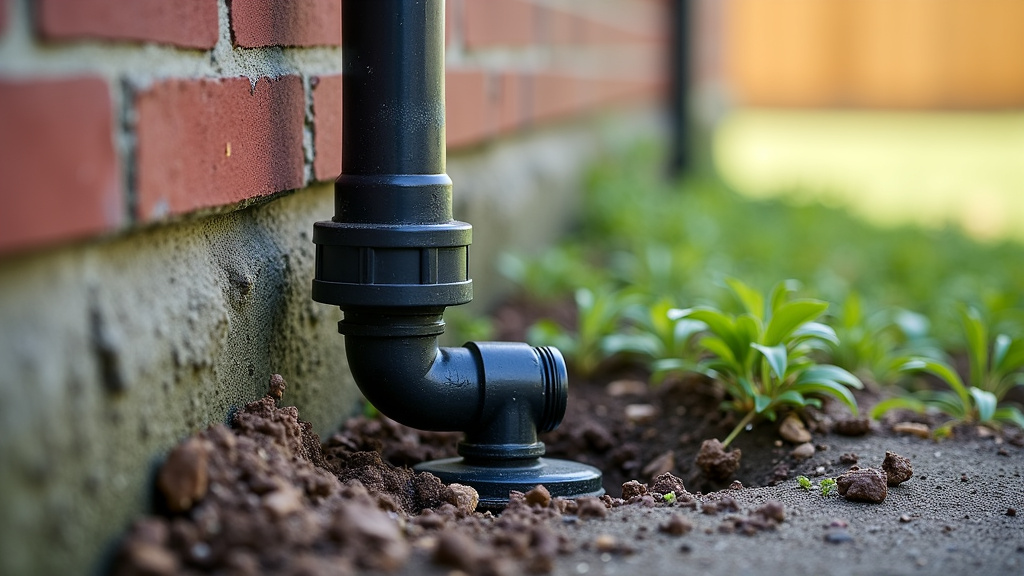
How do you know something is wrong? Your sump pump itself might give you clues. Listen for it running much more often than usual. Also, watch the water outside. A weak, dribbling stream can indicate a clog or a kink in the line. If you see no water outside when the pump is running, you have a major blockage or a failed pump.
Simple Clog Diagnosis
Many clogs happen at the outdoor outlet. Check for leaves, dirt, or even a small animal nest. Gently clear the opening. If that doesn’t work, the clog may be inside the pipe. For a PVC line, you can sometimes carefully unscrew a cleanout fitting (if installed) to access and snake the line.
When to Call a Professional
While you can handle many issues, some situations require a pro. Call a plumber or waterproofing specialist if the pipe is broken underground, if you need to drill through your foundation, or if you’re considering a major reroute of the line. Also, if your pump fails and the basement is flooding, emergency service is a wise investment.
Your Discharge Line Maintenance Checklist
Keep your system working with this simple, seasonal routine.
- Perform the “bucket test” twice a year: Pour a five-gallon bucket of water into the sump pit. Ensure the pump activates and water discharges outside properly.
- Inspect the outdoor outlet quarterly: Make sure it’s clear of debris, leaves, grass clippings, or snow. The end cap should be secure but not sealed shut.
- Listen for unusual sounds: Gurgling or banging can indicate a stuck check valve or air in the line.
- Check the pipe’s support straps: Ensure the indoor pipe is securely fastened to the wall or joists to prevent sagging.
- Look for moisture along the path: Any damp spots on the floor or walls near the pipe could indicate a leak at a fitting.
Think of your discharge line as the unsung hero of your dry basement. A little attention ensures it keeps doing its job quietly and effectively for years to come.
Conclusion
A reliable sump pump discharge line is your basement’s first defense against water damage. Remember, this system isn’t just about removing water—it’s about moving it far enough away so it cannot return. The key takeaways are clear: ensure your line extends at least 10 feet from your foundation on a slope, use durable materials like PVC, and never skip the check valve. Protecting the line from freezing in winter is also critical for year-round performance. Your next step should be a quick inspection. Go find your discharge outlet outside and make sure the path is clear and sloping away from your home. That simple check ensures your system is ready for the next heavy rain.
Frequently Asked Questions
Can I extend my sump pump discharge line myself?
Yes, many homeowners can extend a discharge line using PVC pipe and fittings from a hardware store. The key is maintaining a steady downward slope away from your house. If the extension requires complex digging or routing, it’s best to call a professional.
How often should I check my discharge line for clogs?
You should visually inspect the outdoor outlet for debris at least four times a year, especially in fall and spring. A good practice is to perform a simple “bucket test” twice a year by pouring water into the sump pit to confirm the pump and discharge line function properly.
Why does my discharge pipe freeze in winter?
Freezing typically happens when water remains in the pipe after the pump shuts off. Common solutions include installing a weep hole above the pump check valve or ensuring the outdoor section is buried below the frost line or heated.
Is a corrugated flex pipe as good as solid PVC for my discharge?
While corrugated pipe is flexible and easy to install, it is not as durable for a permanent solution. Its ridges can trap debris, leading to clogs. We found smooth-walled PVC is the better long-term choice for most indoor and outdoor installations.
What is the small hole people drill near the check valve for?
This is a weep hole, a simple freeze-prevention strategy. It allows a tiny amount of water to trickle out constantly, which helps prevent the discharge line from freezing solid in cold weather by keeping water moving.