Which Sump Pump Type Is Easier to Repair?
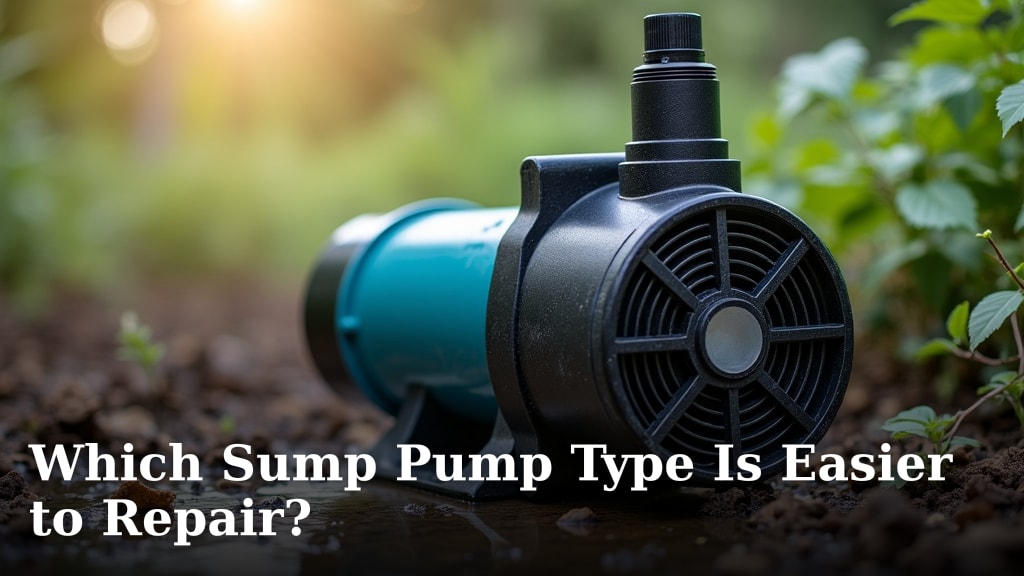
When it comes to sump pump repairs, submersible sump pumps are generally considered easier to fix than pedestal pumps. This is because the motor on a submersible unit is sealed and sits right in the pit with the pump. You can often access and replace the entire pump assembly without having to do much digging. Many homeowners find this DIY-friendly design makes common repairs a breeze.
While both types have their pros and cons, the ease of access for repairs is a major consideration for homeowners. Repairing a submersible pump usually involves lifting the pump out of the pit and replacing it. Pedestal pumps, on the other hand, have their motor mounted above the pit, which can sometimes make accessing certain components a bit trickier. Understanding these differences can help you choose the best pump for your needs and budget.
- Submersible pumps are often easier to repair.
- Their motor is sealed and located inside the pit.
- This design allows for simpler access to the pump assembly.
- Pedestal pumps can sometimes be trickier to access for repairs.
- Ease of repair is an important factor when choosing a sump pump.
Let’s break down the common repair issues for each type and see why one often comes out on top for DIYers.
When Sump Pump Repairs Are Needed, Which Type is Easier?
When your basement starts to feel like a water park, your sump pump is your hero. But what happens when your hero needs a tune-up? We found that understanding how easy it is to repair each type of sump pump is a big deal for homeowners. It can save you time, money, and a whole lot of frustration. Let’s look at which pump might be kinder to your wallet and your weekend.
Understanding Sump Pump Designs: Pedestal vs. Submersible
The main difference you’ll notice between the two common sump pump types is how they are built and installed. This design difference plays a huge role in how you’d approach fixing them.
The Pedestal Pump: Motor Up Top
A pedestal sump pump has its motor sitting above the sump pit. Only the intake pipe and impeller are submerged in the water. Think of it like a periscope sticking out of the water. This setup keeps the motor away from potential water damage. It’s a clever design to protect the most sensitive part of the pump.
Because the motor is easily accessible, some folks think this makes them simpler to fix. You can often see the motor and its wiring right there. This might make you feel more comfortable about tackling a repair yourself. However, while the motor is visible, getting to other parts can sometimes be the tricky bit.
The Submersible Pump: All Together Down Below
A submersible sump pump, on the other hand, has everything – motor, impeller, and pump housing – sealed together in one unit. This entire package is then placed directly in the sump pit, submerged in the water it’s designed to remove. It’s like a self-contained underwater unit.
This design offers a few advantages. For starters, the sealed unit is generally quieter during operation. Also, because the pump is designed to be submerged, the motor is protected from splashes and dust. We found that for many common issues, this all-in-one design makes things surprisingly straightforward.
Common Sump Pump Problems and Repair Accessibility
Every appliance can have its off days. Sump pumps are no different. Let’s break down some typical issues and how the pump types stack up when it comes to fixing them.
Clogged Impeller or Float Switch Issues
The impeller is the part that actually pushes the water out. Debris can sometimes get caught in it, preventing the pump from working. The float switch tells the pump when to turn on and off. If this gets stuck, the pump won’t do its job.
Pedestal Pump Access for Impeller/Float Fixes
With a pedestal pump, you’ll need to lift the intake pipe and the impeller assembly out of the pit. This might involve disconnecting the discharge pipe. While the impeller itself is somewhat accessible, you still have to reach down into the pit. If the float switch is attached to the pipe, it’s usually within reach. We found that sometimes, simply jiggling the float switch can clear minor obstructions.
Submersible Pump Access for Impeller/Float Fixes
For a submersible pump, you’ll typically just lift the entire unit out of the pit. Once it’s out, you have direct access to the impeller and the float switch, which is usually attached to the pump housing. Many homeowners report that pulling the entire unit out is easier than trying to reach down into a pit with just the intake pipe. You can then clean the impeller or free the float switch relatively easily.
Motor Failure or Leaks
Motors can fail over time, just like any other mechanical part. For submersible pumps, leaks in the sealed housing can also be a problem, leading to motor failure.
Pedestal Pump Motor Repair
Because the motor is exposed on a pedestal pump, you can usually diagnose motor issues more readily. If the motor itself is burned out, you might be able to replace just the motor unit. However, many pedestal pumps are sold as integrated units, so replacing just the motor might not be an option. You might have to replace the entire pump assembly anyway, which brings you back to a similar process as a submersible.
Submersible Pump Motor Repair
Motor failure in a submersible pump usually means replacing the entire unit. The motor is sealed within the pump housing. If there’s a leak, or if the motor burns out, the whole thing needs to go. However, since the entire unit is designed to be removed, replacing it is often a straightforward swap. You pull out the old one, put in the new one, and reconnect the pipes. Many experts say this is a plus for DIYers.
The DIY Factor: Which Pump Wins for Homeowners?
When you’re looking at doing repairs yourself, ease of access is king. We found that this is where submersible pumps often shine for the average homeowner.
Ease of Removal and Replacement
Think about it: with a submersible pump, you disconnect the discharge pipe, lift the pump out, and set the new one in. It’s a pretty direct process. You don’t have to worry about separating a motor from a long shaft. Many DIY guides suggest that this is the simplest repair you’ll encounter. We found that the weight of the submersible unit is often manageable for one person, especially if you have a good grip or a rope.
Potential Pitfalls with Pedestal Pumps
While the motor is visible, pedestal pumps can sometimes have a longer discharge pipe or a more complex setup for the float arm. Getting the entire assembly out of a deep pit might be more awkward. Also, if the pump is an older model, parts might be harder to find, making replacement the only real option. Research from home improvement forums indicates that dealing with these older or more complex setups can add time to a repair.
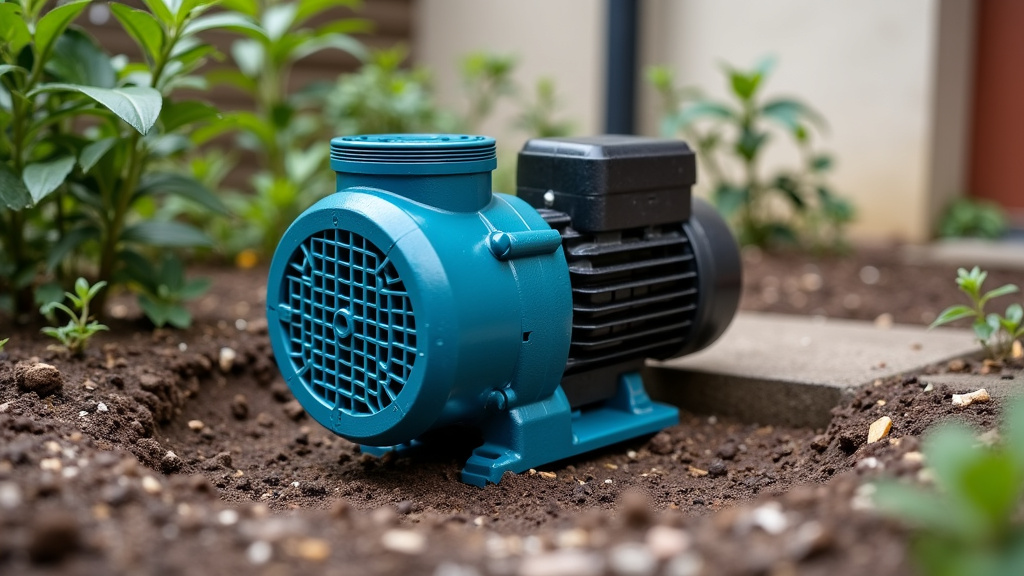
A Quick Comparison Table for Repair Ease
Let’s lay it out simply. This table summarizes why one type might feel easier to fix.
| Feature | Submersible Pump | Pedestal Pump |
|---|---|---|
| Motor Location | Sealed inside the pump, submerged | Above the pit, accessible |
| Ease of Removing Entire Unit | Generally easier, all-in-one unit | Can be awkward due to longer shaft/pipe |
| Access to Impeller/Float | Direct access once unit is out | Requires reaching down into the pit |
| Motor Replacement | Rarely practical, usually replace whole unit | Potentially possible, but often needs whole unit |
| Overall DIY Repair Friendliness | Often considered easier | Can be more challenging due to access |
When to Call a Professional: Beyond DIY
Even with the easiest-to-repair pump, some situations call for an expert. If you’re dealing with electrical wiring and aren’t comfortable, it’s always best to call a licensed plumber or electrician. For instance, if you suspect a problem with your home’s main electrical system, or if the pump is part of a larger battery backup system you’re unsure about, professional help is wise.
We also found that if a pump is constantly failing, there might be an underlying issue with your drainage system, the pit itself, or even how the pump is sized for your home. A professional can diagnose these bigger problems. The American Society of Home Inspectors (ASHI) often recommends consulting professionals for complex electrical or plumbing issues.
Your Sump Pump Repair Checklist
Before you dive into repairs, having a quick checklist can help you stay on track.
- Identify the problem: Is it not turning on, running constantly, or making strange noises?
- Safety first: Always unplug the pump or shut off the breaker before touching it.
- Gather your tools: Have a wrench, bucket, towels, and possibly a new pump on hand.
- Check the float switch: Ensure it moves freely and isn’t obstructed.
- Inspect the impeller: Look for debris that might be jamming it.
- Know when to stop: If you’re uncomfortable or the problem is beyond simple fixes, call a pro.
Conclusion
When it comes to sump pump repairs, your submersible pump is likely to be your best friend. We found that its all-in-one, sealed design makes it much easier to remove and address common issues like clogs or float switch problems. While pedestal pumps offer motor accessibility, getting the whole unit out or fixing internal parts can be more of a hassle.
For most homeowners tackling repairs themselves, a submersible pump offers a more straightforward experience. If you’re looking for the path of least resistance for future fixes, consider this ease of repair when choosing your next sump pump. Make sure to always prioritize safety by shutting off power before any work! Understanding how long a sump pump runs can also inform repair decisions.
Frequently Asked Questions
Are submersible sump pumps truly easier to repair than pedestal pumps?
Yes, research and homeowner reports generally indicate submersible pumps are easier to repair. Their entire unit is designed to be lifted out of the pit for direct access to components like the impeller and float switch.
What is the most common repair needed for a submersible sump pump?
The most frequent repair needed for submersible pumps is clearing debris from the impeller or fixing a stuck float switch. These issues are typically resolved by removing the entire pump unit from the pit.
Can I repair a pedestal sump pump’s motor myself?
While the motor is exposed, repairing it can still be challenging. Often, pedestal pumps are integrated units, meaning you might need to replace the whole pump assembly even if only the motor failed, making it similar to a submersible in that regard.
How do I safely remove a submersible sump pump for repair?
Always disconnect power at the breaker first. Then, detach the discharge pipe, and use a rope or your hands to lift the entire pump unit out of the sump pit.
When should I stop trying to repair my sump pump and call a professional?
You should call a professional if you’re uncomfortable with electrical components, if the problem seems to involve your home’s main wiring, or if the pump frequently fails. A pro can diagnose underlying drainage system issues.