What Is a Battery Backup Pedestal Pump? A Closer Look
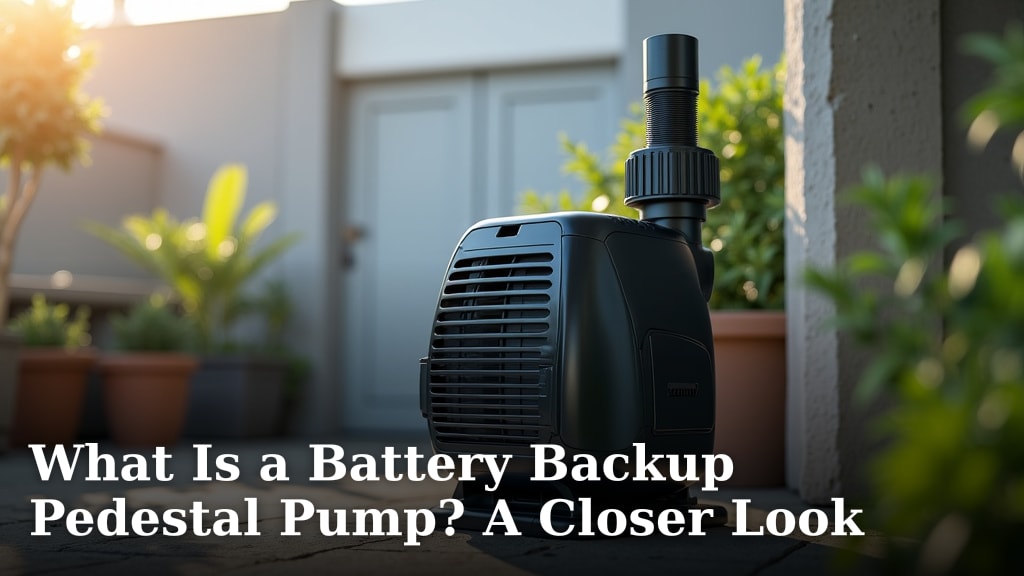
A battery backup pedestal pump is a specialized pump system designed to automatically activate during power outages. It uses a backup battery to ensure your sump pit continues to drain when the main electricity is out. This prevents basement flooding when you need it most.
You might be wondering if this is different from a regular sump pump. A battery backup system is essentially a secondary safety net for your home’s drainage. It’s a smart investment for homeowners who want peace of mind during storms or unexpected power failures.
- What it is: A pump that works during power outages.
- How it works: Uses a battery to keep draining your sump pit. Understanding how it works, including the sump pit and discharge, is key to preventing basement flooding.
- Why you need it: Prevents basement flooding during blackouts.
- Key benefit: Reliable protection when you need it most.
Let’s dive into what makes a battery backup pedestal pump so useful and how to choose the right one for your home.
Understanding Your Battery Backup Pedestal Pump Needs
So, you’re curious about what exactly a battery backup pedestal pump is and why it might be a smart addition to your home. Think of it as your basement’s personal bodyguard against water damage. It’s designed to kick in when the main power goes out, ensuring your sump pit doesn’t overflow. We’ve found that many homeowners often overlook their sump pump’s reliance on electricity until it’s too late. This backup system offers a vital layer of protection.
How a Battery Backup Pedestal Pump Works
At its core, a battery backup pedestal pump is a secondary system. It works alongside your primary sump pump. When the power fails, a sensor detects the loss of electricity. This triggers the battery backup system to take over. It then activates the pump, drawing power from its dedicated battery. This keeps water levels in your sump pit manageable. The battery is typically a deep-cycle marine battery, designed for long-term power.
The pedestal design is also important. Unlike submersible pumps that sit directly in the water, a pedestal pump has its motor mounted above the pit. The pump itself extends down into the pit on a long “pedestal.” This makes them easier to access for maintenance. It also helps keep the motor cooler, as it’s not submerged in water.
The Role of the Battery
The battery is the star of the show when the power’s out. It’s not just any battery; it’s a deep-cycle battery. This means it’s built to provide a steady stream of power for extended periods. Researchers from the battery industry often explain that these are different from car batteries. Car batteries are designed for short bursts of high power to start an engine. Deep-cycle batteries are made for consistent energy output over many hours.
How long will it last? That depends on a few factors. The capacity of the battery is key. A larger amp-hour (Ah) rating generally means more runtime. The pump’s power draw is another factor. A more powerful pump will drain the battery faster. Finally, how much water is entering the pit will also affect how often the pump needs to run. We found that a fully charged, good-quality battery can often power a sump pump for 24 to 48 hours of intermittent use.
The Pedestal Advantage
We mentioned the pedestal design. Why is it often preferred for backup systems? For starters, it’s typically simpler to service. You don’t have to pull the entire pump out of the pit to inspect or replace parts. The motor is up high and dry. This can also mean they are a bit quieter when running compared to some submersible models.
However, it’s important to note that pedestal pumps can sometimes clog more easily if there’s a lot of debris in the sump pit. Many manufacturers recommend using a disposable filter bag around the intake if this is a concern. The pedestal design is generally robust and reliable for most home basements.
When is a Battery Backup Pedestal Pump Necessary?
Now, you might be asking, “Do I really need one?” It’s a fair question. Think about your location and your home’s history. If you live in an area prone to storms, heavy rain, or snowmelt, your risk of power outages is higher. Homes with basements or crawl spaces that have a history of water issues are prime candidates.
Consider your primary sump pump. If it’s old or you’re unsure of its reliability, a backup is a wise investment. Many homeowners experience their first major water problem during a power outage. This is often when their main pump is useless. We’ve seen reports from various home safety organizations suggesting that power outages are a leading cause of basement flooding during severe weather events.
Here’s a quick checklist to help you decide:
- Do you live in a flood-prone area?
- Do you experience frequent power outages?
- Does your basement have a history of water seepage?
- Is your current sump pump more than 5 years old?
- Are you looking for added peace of mind during storms?
If you answered yes to two or more of these questions, a battery backup pedestal pump could be a very good idea for your home.
Components of a Battery Backup System
When you look at a battery backup pedestal pump system, you’ll see a few key parts working together. It’s not just the pump and a battery; there’s a bit more to it.
The Primary Sump Pump
First, you have your main sump pump. This is the one that runs on your home’s regular electricity. It sits in the sump pit and does the heavy lifting when water levels rise. The battery backup system is designed to work with this pump or as a separate unit that kicks in when the main one can’t.
The Backup Pump (or Integrated System)
In some systems, a dedicated backup pump is installed alongside the primary one. In other setups, the battery backup is an integrated unit that manages both the primary and backup pump functions. For pedestal systems, it’s often a case of the battery backup activating the primary pedestal pump when needed. This is part of what makes the pedestal design so convenient for backup use.
The Battery and Charger/Controller
This is the heart of the backup. You’ll have a deep-cycle battery, as we discussed. Attached to it is a charger and controller unit. This unit does a couple of important jobs. It keeps the battery fully charged when the power is on. When power fails, it signals the backup pump to turn on. Many modern controllers also provide alerts, like a beeping sound, if the battery is low or if the pump has been running for an extended period.
The Float Switch
Similar to your primary pump, the backup system will have a float switch. This is the device that tells the pump when to turn on and off. When the water level in the pit reaches a certain height, the float rises and activates the switch, starting the pump. When the water level drops, the float falls, and the switch turns the pump off.
Choosing the Right Battery Backup Pedestal Pump
Selecting the correct system involves looking at a few key specifications. It’s not a one-size-fits-all situation. You want a system that is adequate for your needs without being overly expensive.
Pump Gallons Per Hour (GPH)
This tells you how much water the pump can move. You’ll see ratings like 3000 GPH or 5000 GPH. Consider how much water your pit typically collects. If you have a large pit or experience significant water flow, you’ll want a higher GPH rating. Many experts suggest matching or slightly exceeding the GPH of your primary pump.
Battery Capacity and Runtime
Look at the amp-hour (Ah) rating of the battery. A higher Ah means longer potential runtime. Also, check the manufacturer’s estimated runtime for their system under typical conditions. This gives you a clearer picture of how long it can keep working during an outage.
Vertical Lift (Head Height)
This refers to how high the pump can push water vertically. You need to ensure the pump can lift water from your pit and push it through your discharge pipe to the outside. Check the specifications to see if the pump’s head height is sufficient for your home’s setup.
Alarm and Notification Features
Some systems come with built-in alarms. These can alert you to a power outage, a low battery, or if the pump is running excessively. These audible or even visual alerts can be incredibly helpful in knowing your system is functioning or if there’s an issue to address.
Warranty and Brand Reputation
Like any appliance, warranties matter. A good warranty suggests the manufacturer stands behind their product. Researching brand reputation can also give you clues about reliability and customer support. We found that reputable brands often provide better documentation and easier access to replacement parts.
Here’s a quick comparison of factors to consider:
| Feature | Primary Concern | Why It Matters |
|---|---|---|
| GPH Rating | Water Volume | Ensures it can handle your typical water flow. |
| Battery Ah | Runtime Duration | Determines how long it can operate without power. |
| Head Height | Pumping Capability | Confirms it can push water out of your home. |
| Alarm System | System Monitoring | Alerts you to potential problems or power failures. |
| Warranty | Product Longevity | Provides peace of mind and protection against defects. |
By carefully considering these factors, you can make an informed decision about the best battery backup pedestal pump for your home’s specific needs. It’s about finding that balance of protection and practicality.
Conclusion
Your home’s protection against basement flooding is essential. A battery backup pedestal pump offers reliable defense when your main power fails. We’ve seen how its design and battery system work together to keep your basement dry during storms or outages. Understanding its components and choosing the right specifications ensures you get the best protection for your needs. Don’t wait for an emergency; review your current setup and consider adding this vital layer of security for true peace of mind.
Frequently Asked Questions
How long can a battery backup pedestal pump run on battery power?
The runtime depends on the battery’s capacity (amp-hours) and how much water the pump needs to move. Generally, a good quality battery can power a pump for 24 to 48 hours of intermittent use. This is usually enough to get through most power outages.
Do I need a battery backup if I already have a good sump pump?
Yes, a good primary sump pump relies on electricity. If a storm causes a power outage, your primary pump will stop working. A battery backup acts as a fail-safe, ensuring drainage continues when you need it most, even without main power.
Can I use a car battery with a battery backup pedestal pump?
No, you should not use a car battery. Car batteries are designed for short bursts of high power. A battery backup system needs a deep-cycle battery, which is built to provide steady, consistent power over many hours.
How often should I test my battery backup system?
We recommend testing your battery backup system at least once every few months, and especially before severe weather season. This involves checking the battery charge, testing the pump’s operation, and ensuring any alarm features are working correctly.
What maintenance is required for a battery backup pedestal pump?
Regular maintenance includes checking the battery terminals for corrosion and ensuring the battery is kept fully charged. You should also periodically test the pump and clear any debris from the sump pit to prevent clogging. The pedestal design makes many maintenance tasks easier to access.