How Long Do Pedestal Sump Pumps Last? Explained
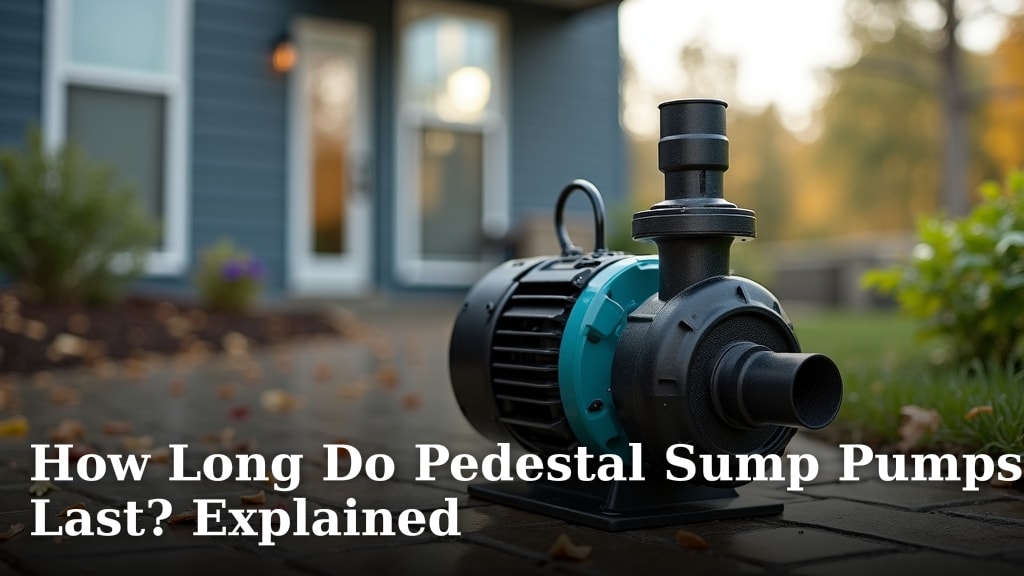
A typical pedestal sump pump can last anywhere from 5 to 15 years. This lifespan depends on factors like the pump’s quality, how often it runs, and how well it’s maintained. Some can even last longer with proper care.
Understanding how long your sump pump might work is key to basement flood prevention. These hardworking pumps deal with a lot, so knowing their typical lifespan helps you plan for replacements. We found that regular checks really make a difference in a pump’s longevity.
- Pedestal sump pumps usually last 5-15 years.
- Pump quality and usage affect lifespan.
- Maintenance is vital for extending pump life.
- Planning for replacement prevents basement floods.
Let’s walk through what influences how long your pedestal sump pump will keep your basement dry.
Here’s the main body content for your blog post:Understanding Your Pedestal Sump Pump’s Lifespan
So, how long can you expect your pedestal sump pump to keep chugging along? We found that most pedestal sump pumps have a lifespan of about 5 to 15 years. This range isn’t set in stone, though. Several factors play a big role in how long your specific pump will serve you faithfully.
Think of your sump pump like a dependable guardian for your basement. It works hard, often out of sight, to keep water from causing damage. Knowing its typical life expectancy helps you avoid nasty surprises and costly repairs down the road.
Key Factors Affecting Sump Pump Longevity
It’s not just about buying the cheapest pump you can find. Several elements contribute to its overall health and how long it will last. Let’s break them down.
1. Quality of the Pump
Just like with cars or appliances, sump pumps come in various quality levels. Higher-end pumps are often built with better materials and more robust components. This means they can handle more stress and last longer. We found that manufacturers who focus on durability tend to offer pumps with longer service lives.
Cheaper pumps might be tempting for your wallet upfront. But they can fail sooner. This often leads to more expensive emergency repairs. Investing a bit more in a quality pump can save you money and headaches in the long run.
2. Frequency of Use
How often does your pump actually turn on? A pump in a dry climate that rarely runs will likely last much longer than one in a water-prone area. Constant operation puts more wear and tear on the motor and impeller. We’ve seen that pumps that run frequently can sometimes reach the lower end of the 5-15 year spectrum sooner.
Consider this: if your pump kicks on several times a day during rainy seasons, it’s working much harder. A pump that only runs once a month, or even less, will naturally experience less wear. It’s a simple cause and effect.
3. Water Quality and Debris
The water your sump pump deals with isn’t always clean. It can contain sand, silt, gravel, and other debris. These particles can act like sandpaper inside the pump. They can wear down the impeller and motor over time. We found that pumps in areas with sandy or muddy groundwater tend to have a shorter lifespan.
If your pump is constantly sucking up gritty water, it’s more likely to experience problems. This can include clogging or internal damage. This is why having a good filter or screen is important.
4. Proper Installation
Was your sump pump installed correctly? A pump that isn’t set up right can face issues. For example, if the discharge pipe is too long or has too many bends, the pump has to work harder. This extra strain can reduce its lifespan. We found that professional installation often ensures the pump is set up for optimal performance and longevity. A properly installed discharge pipe is crucial for pump longevity.
Also, ensure the pump is sitting on a stable, level surface. A wobbly pump can vibrate excessively. This vibration can cause wear on its components and the basin floor.
Maintenance: The Secret to a Longer-Lasting Pump
You wouldn’t drive your car without oil changes, right? Your sump pump also needs a little TLC. Regular maintenance is perhaps the most critical factor in extending its life. Many experts say that a well-maintained pump can often exceed the average lifespan.
Simple Maintenance Steps You Can Take
You don’t need to be a plumbing expert to do basic checks. Here’s what you can do:
- Test the float switch: Gently lift the float switch to ensure the pump turns on and off correctly. Do this a few times.
- Clean the impeller: Make sure there’s no debris blocking the impeller. Some pumps allow you to access this easily.
- Check the discharge line: Ensure the pipe leading away from the pump isn’t blocked. You want water to flow freely away from your home.
- Inspect the basin: Remove any leaves, dirt, or small stones that might have accumulated in the sump pit.
These simple steps can prevent many common issues. They help keep the pump running smoothly and efficiently.
When to Call a Professional for Maintenance
While you can do some basic checks, certain maintenance tasks are best left to the pros. If you notice strange noises, leaks, or if the pump seems to be struggling, it’s time to call for help. A technician can perform deeper checks and identify potential problems early.
We found that scheduling annual check-ups with a qualified plumber can be a wise investment. They can spot issues you might miss. This could save you from a costly pump failure during a heavy rainstorm.
Signs Your Sump Pump Might Be Nearing the End
How do you know if your pump is on its last legs? There are often tell-tale signs. Catching these early can give you time to plan for a replacement before disaster strikes.
Common Indicators of Pump Failure
Pay attention to these signals:
- Unusual noises: Grinding, rattling, or buzzing sounds can indicate internal problems.
- Short-cycling: The pump turns on and off very rapidly. This is a sign it’s struggling.
- Constant running: If the pump runs continuously without stopping, something is wrong. It might be a blockage or a failing motor.
- Excessive vibration: The pump shakes violently when it’s running.
- Water backing up: If you still have water in the pit after the pump runs, it might not be working effectively.
We found that ignoring these symptoms is a risky game. It’s like ignoring a check engine light in your car. Eventually, you’ll face a bigger problem.
The Impact of Sump Pump Failure
What happens if your sump pump fails? The consequences can be severe. Your basement could flood. This can lead to costly water damage to your foundation, walls, flooring, and stored belongings. Mold and mildew can also start to grow in damp conditions.
The repair costs from a basement flood can be astronomical. Not only do you have to replace the pump, but you might also face expenses for structural repairs, mold remediation, and replacing damaged items. This is why proactive replacement is so important.
Planning for Sump Pump Replacement
Knowing the typical lifespan (5-15 years) and the factors influencing it helps you plan. Instead of waiting for your pump to die, aim to replace it proactively. Many homeowners choose to replace their pump around the 10-year mark, especially if it’s been working hard.
Creating a Replacement Schedule
A good approach is to track your pump’s age. Note when it was installed. If you bought the house with a sump pump already in place, try to find out its age. If you can’t, assume it’s older and get it inspected.
We found that having a backup sump pump can also be a smart investment. This is especially true if you live in an area prone to heavy rains or power outages. A battery-powered backup can save your basement when the main pump fails or the power goes out.
Choosing Your Next Sump Pump
When it’s time for a new pump, do your research. Consider the size of your sump pit and the amount of water you typically need to pump. Look for pumps with good reviews and warranties. Don’t be afraid to ask a qualified plumber for recommendations based on your specific needs.
Quick Checklist for Sump Pump Health
Here’s a quick rundown to keep your pump in top shape:
- Note your pump’s installation date.
- Test the float switch monthly.
- Clean the sump pit quarterly.
- Inspect the discharge line seasonally.
- Listen for unusual noises regularly.
- Consider a backup pump for added security.
By following these steps, you can help ensure your pedestal sump pump serves you reliably for as long as possible.
Conclusion
Your pedestal sump pump is a critical part of keeping your basement dry and safe. We’ve learned that a lifespan of 5 to 15 years is typical, but quality, how often it runs, and especially maintenance play huge roles. By performing simple checks regularly and getting professional help when needed, you can help your pump last longer. Don’t wait for signs of failure; plan ahead for replacement around the 10-year mark. Your next step is to check your pump’s installation date and schedule a quick inspection this month to ensure it’s in good working order.
Frequently Asked Questions
How often should I test my sump pump’s float switch?
You should test your float switch at least once a month. Gently lift it to ensure the pump turns on and then turns off as the water level drops. This simple test confirms it’s working correctly and ready for action.
Can water quality really shorten a sump pump’s life?
Yes, water quality matters a lot. Sandy, gritty, or muddy water can wear down the pump’s internal parts, like the impeller. This constant abrasive action can lead to premature failure.
What’s the biggest mistake homeowners make with their sump pumps?
The biggest mistake is often neglecting maintenance. Many homeowners forget about their pump until it fails. Regular checks and cleaning can prevent common issues and extend its operational life.
Should I get a backup sump pump even if my current one is working well?
A backup sump pump is a smart investment for added peace of mind. It can save your basement during heavy storms when the primary pump might be overwhelmed or if there’s a power outage.
If my sump pump is making noise, does it definitely need replacing soon?
Unusual noises like grinding or rattling are often signs of trouble. While it might not need immediate replacement, it indicates internal wear or a blockage that needs attention. It’s best to have it inspected by a professional.