Why Are Submersible Sump Pumps Sealed? What to Know
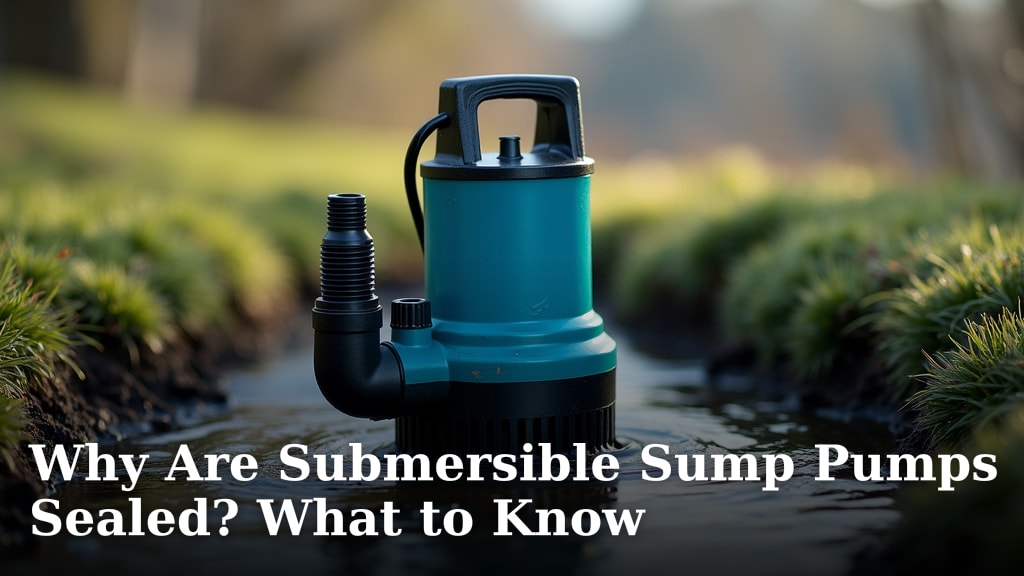
Submersible sump pumps are sealed to protect their internal components from water damage. This sealing prevents dirt, debris, and moisture from reaching the motor and electrical parts. It’s a critical design feature for ensuring the pump’s longevity and reliable operation in wet basement environments.
When your sump pump is submerged, it works hard to keep your basement dry. A sealed design is essential because these pumps are fully immersed in water. This prevents short circuits and corrosion, which would quickly ruin an unsealed motor. Many experts explain that this is why submersible models are a popular choice for homeowners.
- Submersible pumps are sealed to keep water out of the motor.
- This design protects internal parts from damage and corrosion.
- A sealed unit ensures the pump works reliably for years.
- It’s a key reason submersible pumps are a common choice. This is a key reason submersible pumps are a common choice.
Below, we’ll break down exactly why this sealed design is so important for your submersible sump pump and what you should know.
Why Your Submersible Sump Pump Needs a Sealed Motor
You’ve got a submersible sump pump, and it’s doing its job keeping your basement dry. But have you ever wondered why it’s completely sealed? It’s not just for show; that seal is the heart of its protection. It keeps the vital motor and electrical parts safe from the very water it’s designed to remove.
Think of it like a submarine. A submarine needs to be watertight to operate underwater. Your submersible sump pump is much the same. It’s submerged in water, so its casing must be sealed to prevent any water from getting inside. This keeps everything working as it should, preventing costly damage.
The Essential Role of Sealing in Sump Pump Design
So, what exactly does that seal do? It’s all about protecting the sensitive components inside the pump. The motor is the engine of your sump pump. If water gets to it, it can cause short circuits, rust, and eventual failure. A good seal prevents this from happening.
Protection Against Water and Moisture
The primary job of the seal is to keep water out. Your sump pump sits in a pit, often called a sump basin. This basin fills with water, especially after heavy rain or snowmelt. The pump is designed to activate when the water level rises. If the motor housing wasn’t sealed, this water would immediately flood the motor.
We found that even a tiny amount of moisture can be bad for electrical parts. It can lead to corrosion over time. This corrosion weakens connections and can eventually cause the motor to stop working. The sealed design creates a barrier, keeping the motor dry and protected.
Preventing Debris and Contamination
Basements aren’t always the cleanest places. Sump pits can collect not just water but also dirt, mud, and small debris. An unsealed pump motor would be exposed to this mess. This could clog up moving parts, like the impeller, or even cause the motor to overheat.
The sealing also acts as a shield against these contaminants. It ensures that only the water is drawn into the pump’s intake and processed. This keeps the internal workings clean and allows the pump to operate efficiently. It’s like giving your pump a personal clean room.
How the Seal Safeguards Your Sump Pump’s Motor
Let’s dive a little deeper into how this sealing directly benefits the motor. The motor in a submersible sump pump is typically an electric type. Electricity and water are a dangerous mix. The seal is your pump’s first line of defense against this risky combination.
Preventing Electrical Shorts and Damage
If water reaches the electrical windings of the motor, it can create a path for electricity to flow where it shouldn’t. This is a short circuit. Short circuits can quickly burn out motor components, rendering the pump useless. They can also be a safety hazard if not properly contained.
Manufacturers design submersible pumps with robust seals, often using O-rings and gaskets, to create a watertight enclosure. This enclosure isolates the electrical parts from the surrounding water. This isolation is absolutely critical for the pump’s safe and effective operation. It’s a smart design that prevents costly repairs.
Avoiding Corrosion and Rust
Beyond immediate electrical damage, water exposure can cause long-term problems like rust and corrosion. Metal parts inside the motor can begin to degrade. This degradation weakens the motor and can lead to mechanical failure. Rust can seize up bearings and other moving parts.
Research shows that consistent exposure to moisture is a leading cause of premature pump failure. The sealed design minimizes this exposure. By keeping the motor dry, it significantly extends the lifespan of the pump. You get more years of reliable service from your investment.
Types of Seals Used in Submersible Sump Pumps
Not all seals are created equal. Manufacturers use different methods to ensure their submersible pumps are watertight. Understanding these can give you a better idea of the quality and durability of your pump.
Hermetic Sealing
Some high-end pumps use hermetic sealing. This means the motor is completely sealed in a way that prevents any leakage of internal fluids or gases. It’s often a welding process that creates an airtight and watertight bond. This offers the highest level of protection and is found in premium models.
Mechanical Seals and Gaskets
More commonly, you’ll find pumps using a combination of mechanical seals and rubber gaskets. Mechanical seals are precision-engineered components that create a tight seal between rotating and stationary parts. Gaskets are used to fill gaps between housing components, creating a watertight barrier.
We found that the quality of these seals matters. A cheap, poorly fitted gasket can fail over time. Reputable manufacturers invest in durable, high-quality sealing materials to ensure their pumps can withstand submersion. Always check reviews for mentions of seal longevity.
What Happens If the Seal Fails?
It’s important to be aware of what happens if that protective seal isn’t doing its job. Seal failure isn’t usually a sudden event; it often develops over time. But when it happens, the consequences can be serious for your pump.
Signs of Seal Failure
You might notice a few tell-tale signs if your pump’s seal is starting to fail. One common indicator is unusual noises coming from the pump. Grinding or rattling sounds can mean water has gotten into the motor, causing damage to bearings or other parts.
Another sign could be a decrease in performance Another sign could be a decrease in performance if the seal is failing.. If your pump isn’t removing water as effectively as it used to, or if it’s running for longer periods, it might be struggling due to internal damage. You might also notice visible signs of corrosion or rust on the pump’s exterior, which can seep into the motor.
Consequences for Your Pump and Home
If water gets into the motor housing, the damage can be rapid. As mentioned, short circuits can occur, potentially burning out the motor completely. Even if it doesn’t fail immediately, the constant presence of water will lead to accelerated wear and tear and eventual breakdown.
This means your pump will stop working when you need it most. A failed sump pump can lead to significant water damage in your basement, including mold growth and structural issues. That’s why maintaining your pump and recognizing signs of trouble is so important for your home’s safety.
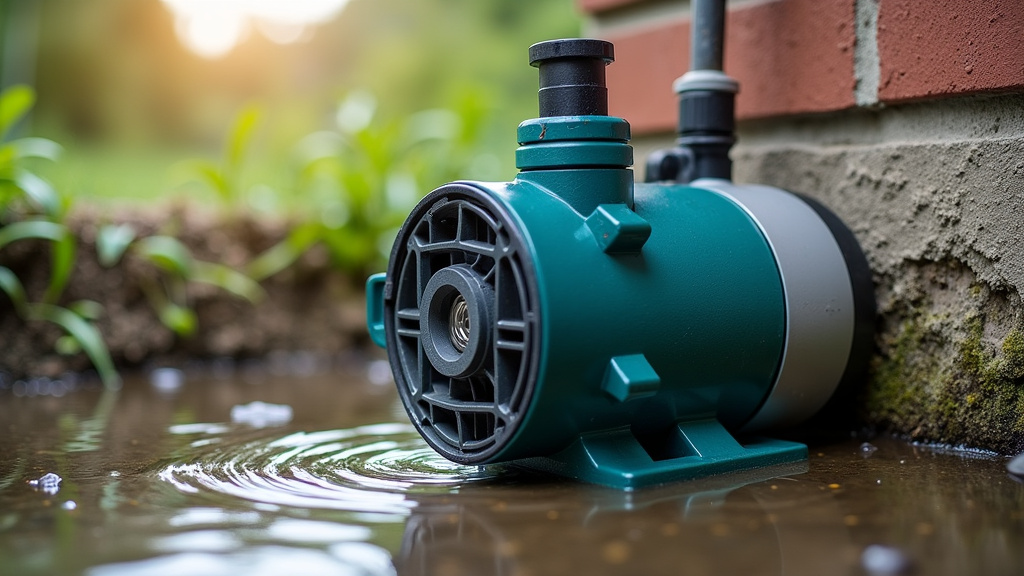
Maintaining Your Submersible Sump Pump for Longevity
Now that you know why the seal is so important, you’ll want to take steps to ensure your pump lasts as long as possible. Regular maintenance is key to preventing seal failure and other issues.
Regular Testing and Inspection
We recommend performing a simple test of your sump pump at least once a month, and more often during rainy seasons. Pouring a bucket of water into the sump pit will activate the pump. Watch to see if it turns on, removes the water efficiently, and shuts off correctly. Listen for any strange noises.
Keeping the Sump Pit Clean
A clean sump pit means less debris can get drawn into the pump. Periodically remove any accumulated mud, dirt, or loose objects from the pit. This reduces the strain on the pump’s impeller and helps prevent clogs that could indirectly affect the motor housing or seals.
Checking for Proper Drainage
Ensure the discharge pipe outside your home is clear and draining properly. If water backs up into the discharge line, it can put extra stress on the pump. A properly functioning discharge system is part of the overall health of your sump pump setup.
Choosing the Right Submersible Pump
When you’re in the market for a new sump pump, pay attention to the sealing. While most submersible pumps are sealed, the quality of that seal can vary. Look for pumps from reputable manufacturers known for their durability and quality control.
Consider the materials used in the pump’s construction and read reviews that specifically mention the pump’s performance in wet conditions and its longevity. A pump with a well-designed, robust seal is an investment in your home’s protection.
Key Takeaways for Your Submersible Sump Pump’s Seal
Let’s recap the most important points regarding your submersible sump pump’s sealed design. This information is vital for ensuring your pump works reliably for years to come.
- The seal protects the motor and electrical parts from water damage.
- It prevents short circuits, corrosion, and rust.
- Debris and contaminants are also kept out by the seal.
- Seal failure can lead to pump breakdown and basement flooding.
- Regular maintenance helps protect the seal and prolong pump life.
- Choose pumps from reputable brands known for quality sealing.
Conclusion
Your submersible sump pump’s sealed design is fundamental to its performance and your home’s protection. By keeping water, moisture, and debris away from the motor and electrical parts, the seal prevents costly damage like short circuits and corrosion. This feature ensures your pump operates reliably for years, safeguarding your basement from flooding. Regularly testing your pump and keeping the sump pit clean are simple yet effective ways to maintain its longevity. When choosing a new pump, prioritize models from reputable brands known for their quality sealing to ensure your home stays dry and safe.
Frequently Asked Questions
How often should I test my submersible sump pump?
We recommend testing your submersible sump pump at least once a month. It’s a good idea to test it more frequently during periods of heavy rain or snowmelt. This simple test helps ensure it’s ready to operate when needed.
Can I replace the seal on my submersible sump pump myself?
While some DIYers might attempt seal replacement, it’s generally a complex job. The seals are often integrated into the pump’s housing. If you suspect a seal failure, it might be more practical and safer to replace the entire pump, especially if it’s an older model.
What’s the difference between a submersible pump and a pedestal sump pump regarding sealing?
Pedestal sump pumps have their motor located above the sump pit, so only the intake pipe is exposed to water. Submersible pumps, however, have their entire motor unit submerged and therefore require a robust, watertight seal to protect the motor from the water it operates in.
Will a sump pump still work if its seal is slightly damaged?
A slightly damaged seal can still allow water and moisture to enter the motor housing over time. This can lead to gradual corrosion and eventual electrical issues. While it might continue to work for a while, its lifespan will be significantly reduced, and it’s a risk to your basement.
Are more expensive submersible sump pumps always better sealed?
Often, higher-end models use superior sealing materials and construction methods, like hermetic sealing. While price isn’t the only factor, reputable brands typically invest more in durable seals and quality control, leading to better long-term protection for the motor.