Do I Need a Sump Pump? A Practical Guide
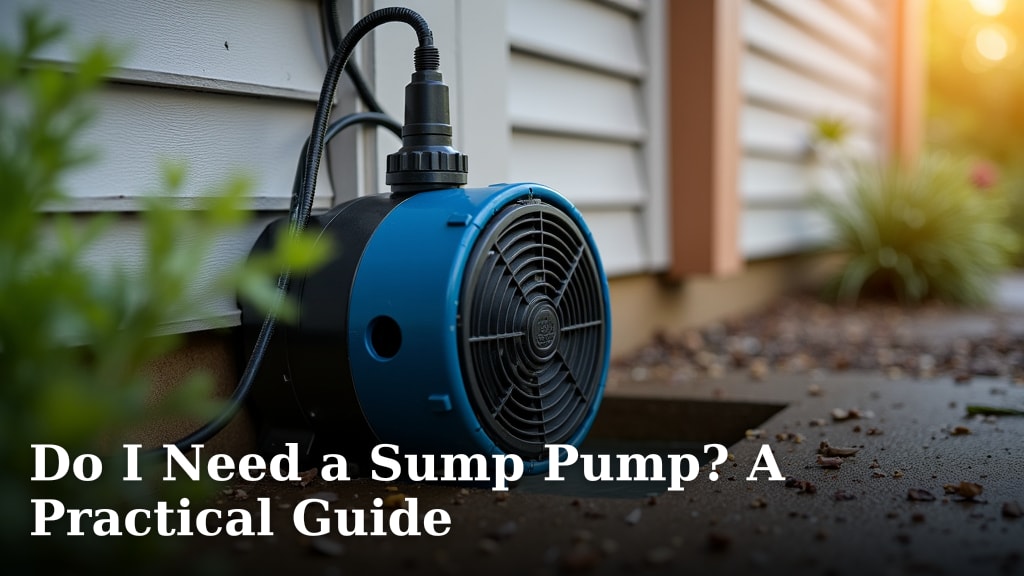
Is a Sump Pump the Right Move for Your Home?
Many experts say a sump pump is essential if your home has a history of water issues. If your basement gets damp, smells musty, or has ever had standing water, you likely need one. A sump pump is a proactive tool to keep your space dry.
Spotting the Signs: How to Tell if You Need One
Look for clues around your home. Does your basement floor feel wet after a heavy rain? Do you see white, chalky stains on the walls called efflorescence? These are classic signs of water pressure pushing through your foundation.
Even a **consistent musty odor** can indicate chronic dampness. The CDC notes that dampness in homes is linked to respiratory issues, so it’s more than just a property concern. It’s about your family’s health.
Your Home’s Location and Climate
Where you live matters a lot. We found that homes in areas with high water tables, heavy rainfall, or clay-heavy soil are prime candidates. If your region gets sudden, intense storms, that’s another red flag.
Think about your neighborhood. Have neighbors talked about flooding or wet basements? Local knowledge is incredibly valuable here. A quick chat could save you a world of trouble.
Basement or Crawlspace Features
The design of your home’s lower level is a big factor. An older home with a dirt crawlspace is far more vulnerable than a new one with sealed, waterproof walls. **Visible cracks in the foundation** are a direct invitation for water.
Consider your water table. If you’ve ever dug a hole on your property and hit water quickly, your home is sitting above it. Water always tries to move to the lowest point—which could be your basement.
Understanding the Types of Sump Pumps
Not all pumps are the same. The two main types are primary and battery backup. Your choice depends on your needs and how often you lose power.
Primary Pumps: Your Daily Workhorse
This is the standard electric pump that lives in a sump pit. It activates when water fills the pit to a certain level, pumping it away from your home. Most homeowners start here.
A **primary pump alone** is fine if you have reliable power and moderate water issues. It’s the most common and affordable first line of defense.
Backup Pumps: Your Safety Net
What happens during a power outage? That’s when a storm is most likely to cause flooding. A battery backup pump has your back when the lights go out.
We found that many homeowners choose a **combination system** that includes both a primary and a backup pump. For areas prone to severe weather, this dual setup provides serious peace of mind.
Installation Considerations: DIY vs. Professional Help
This is where you need to be honest about your skills. Installing a sump pump involves digging a pit, managing electrical wiring, and ensuring proper drainage. It’s not just about dropping a pump in a hole.
When You Might Tackle It Yourself
If you’re handy with basic plumbing and electrical work, and you have a simple setup, it could be a weekend project. You’ll need the right tools and a clear plan.
However, if your situation involves complex drainage or finished walls, a pro is worth the investment. A mistake can lead to costly water damage later.
Why a Professional is Often Worth It
A licensed contractor understands local building codes and soil conditions. They can size the pump correctly for your home. **Proper installation** is critical to ensure the system works when you need it most.
Many experts say a professional install often comes with a warranty on both parts and labor. This is a safety net that DIY jobs don’t offer.
Maintenance: Keeping Your Pump Ready for Action
Buying the pump isn’t the end of the story. Like a car, it needs regular checks to run reliably. Neglect is the fastest way to make it fail.
Your Simple Seasonal Checklist
You can handle most maintenance yourself. It takes just a few minutes every few months. Think of it as a health check for your home’s defense system.
- Test it monthly: Pour a bucket of water into the pit to trigger the pump.
- Clean the intake screen: Remove any grit or debris that could clog it.
- Check the discharge line: Make sure it’s not frozen or blocked outside.
- Inspect the power source: Ensure cords are intact and the outlet works.
- Listen for odd noises: Grinding or humming can signal a problem.
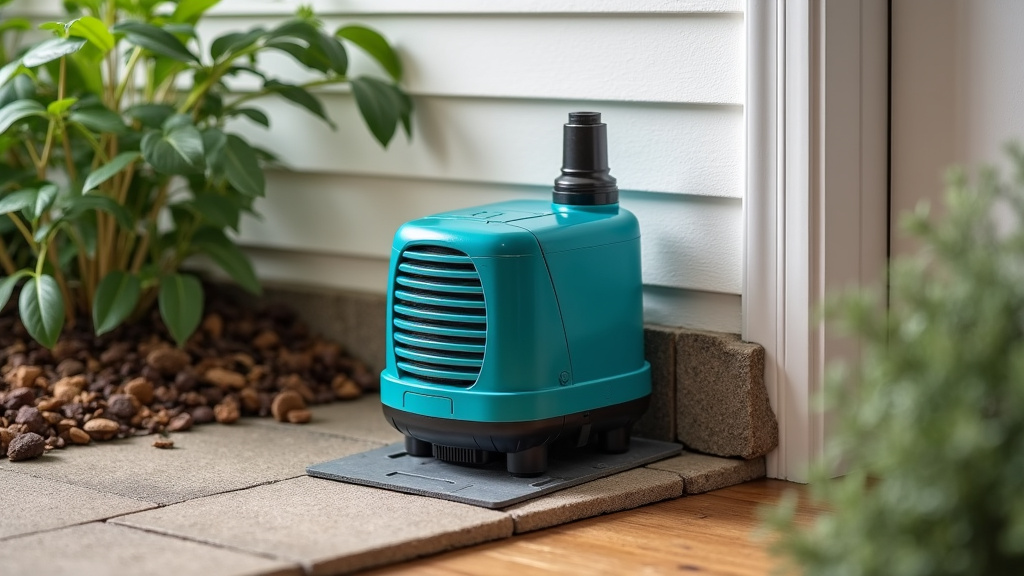
The Cost Equation: Is It Worth Your Investment?
Let’s talk money. The cost of a sump pump system is almost always less than the cost of major water damage. It’s a classic case of prevention being better than cure.
| Scenario | Typical Cost Range | What It Includes |
|---|---|---|
| Basic Primary Pump (DIY) | $200 – $400 | Pump unit and basic supplies |
| Primary Pump (Professional) | $800 – $2,000 | Pump, installation labor, and testing |
| Pump with Battery Backup | $1,000 – $3,000 | Complete system with professional installation |
| Basement Water Damage Repair | $3,000 – $10,000+ | Mold remediation, drywall replacement, flooring |
Calculating Your Potential Loss
Consider what’s in your basement. Is it just storage, or a finished living space with a TV and sofa? The more valuable the contents, the stronger the argument for a pump.
The EPA emphasizes that preventing water intrusion is key to avoiding mold growth. Mold remediation costs alone can run into thousands, not to mention the health risks.
Final Verdict: Use This Simple Checklist
If you check even one or two of these boxes, it’s time to seriously consider a sump pump. Don’t wait for a disaster to make the decision.
- ✔️ Your home has a **history of wet basements** or standing water.
- ✔️ You live in a region with **heavy rainfall** or a high water table.
- ✔️ You have **visible foundation cracks** or water stains.
- ✔️ Your basement has a **musty smell** or shows signs of mold.
- ✔️ You have a **finished basement** with valuable belongings.
- ✔️ Your area is prone to **severe storms or power outages**.
A sump pump is one of those things you hope you never need, but you’ll be incredibly glad it’s there if you do. It’s a straightforward investment in your home’s safety and your own peace of mind.
Conclusion
You don’t need a crystal ball to protect your home from water damage. We’ve covered the clear signs, like damp walls and musty smells, and the key factors, from your local climate to your basement’s design. The right pump type and proper installation are your best defenses. If any of the warning signs from our checklist apply to you, the time to act is now. Don’t wait for a flooded basement. Your next step is simple: assess your home’s specific risks and schedule a professional consultation to get a plan in place.
Frequently Asked Questions
How often should I test my sump pump?
You should test your sump pump at least once a month. Simply pour a bucket of water into the pit to see if it activates and pumps out. This quick check ensures it’s ready when you need it most.
How long does a sump pump battery backup last?
A standard battery backup can run for about 4-8 hours, depending on the model and how much water it needs to pump. It’s designed to get you through a typical storm and power outage, not indefinite use.
Is professional installation really worth the extra cost?
For most homeowners, yes. A professional ensures the system is sized correctly, installed to code, and often comes with a warranty. This protects you from costly mistakes and gives you peace of mind.
What are the warning signs my sump pump is failing?
Listen for unusual grinding or humming noises, check for frequent cycling on and off, and notice if it struggles to keep the pit empty. A slow pump or one that doesn’t turn on at all are clear signs it needs service.
How long does a typical sump pump installation take?
A straightforward professional installation usually takes between 2 to 4 hours. More complex setups, like adding a battery backup or addressing drainage issues, may take a full day to complete properly.