Do Submersible Sump Pumps Sit in Water? A Simple Guide
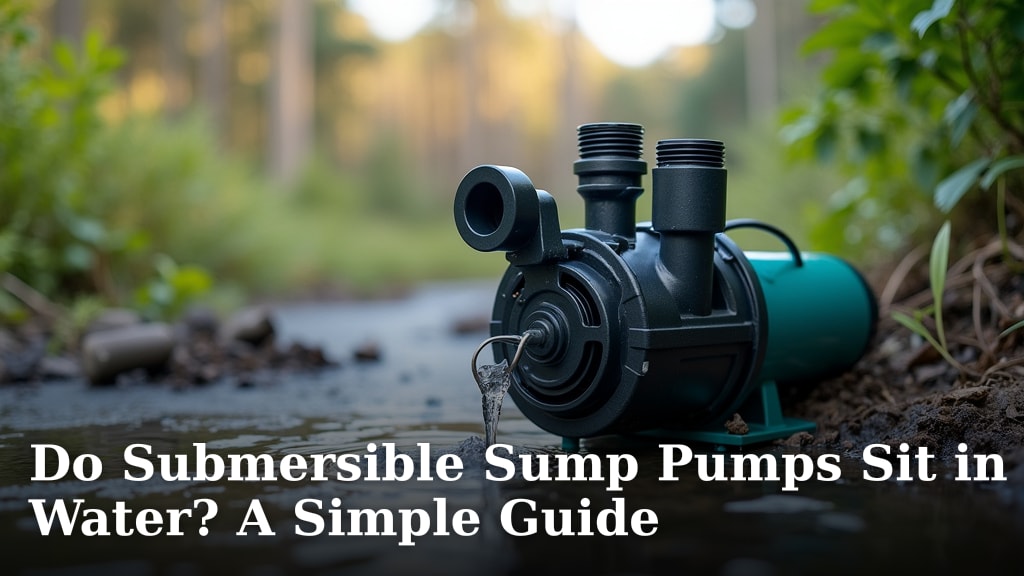
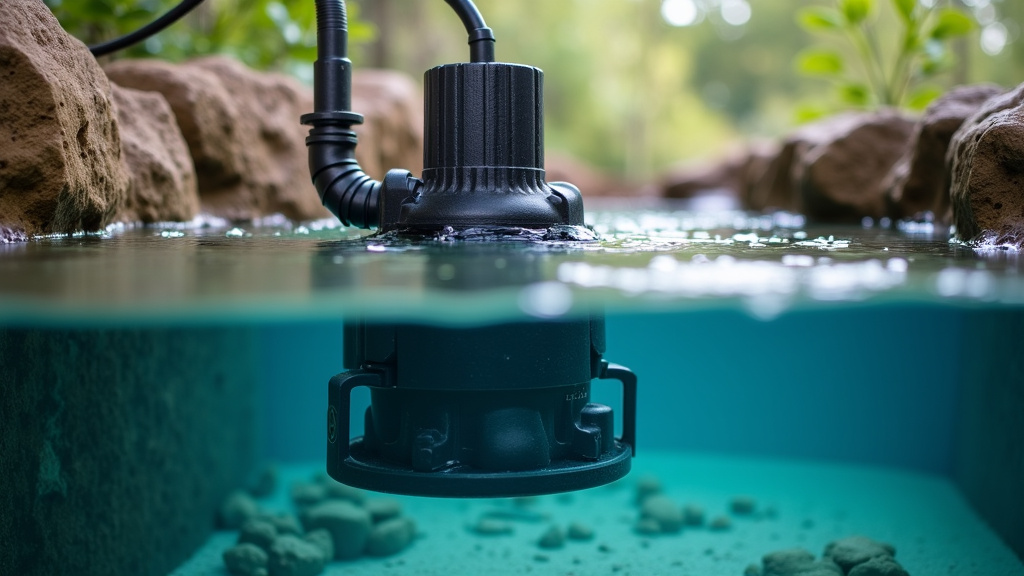
Yes, submersible sump pumps are designed to sit directly in water. They work by being submerged in your sump pit, which collects excess groundwater. As the water level rises, the pump activates and discharges the water away from your home, helping to prevent basement flooding.
This placement is key to their function. The pump needs to be in the water to push it out. It’s a straightforward, yet effective, design for keeping your basement dry. Many homeowners wonder about this, and it’s a common point of confusion when setting up or maintaining a sump pump system. We found this is a fundamental aspect of their operation.
- Submersible sump pumps sit in your sump pit water.
- This allows them to pump water away from your home.
- They are built to operate submerged.
- This prevents basement flooding.
We’ll walk you through exactly how submersible sump pumps work and what you need to know to keep yours running smoothly.
Where Does Your Sump Pump Live? Inside the Water!
You’ve probably seen your sump pump. Maybe it’s a curious-looking cylinder sitting in a pit in your basement. A common question people ask is, “Does this thing actually sit in water all the time?” The short answer is a resounding yes. Submersible sump pumps are built for this exact purpose.
Think of it like a fish. A fish needs water to survive, right? A submersible sump pump is very similar. It needs to be submerged in water to do its job effectively. We found that this is the most critical design feature.
Understanding the Submersible Sump Pump’s Role
Your home’s foundation is susceptible to groundwater. This water can build up around your basement. Without a way to manage it, this water can seep into your basement, causing a host of problems. This is where your trusty sump pump comes into play.
The Sump Pit: The Pump’s Home
Every submersible sump pump system has a sump pit. This is a hole dug in the lowest part of your basement or crawl space. It’s typically lined with concrete or plastic. The pit acts as a collection point for water.
How does water get into the pit? Usually, through a system of drainage pipes. These pipes are installed around your foundation. They collect groundwater and channel it directly into the sump pit. You might also see small holes in the pit walls. These allow groundwater to flow in.
The Pump’s Job: Taking Action
As groundwater fills the sump pit, the water level rises. Your submersible sump pump rests at the bottom of this pit. It has a float switch. This switch is like a tiny alarm bell. When the water reaches a certain level, the float switch activates the pump motor.
The pump then springs to life. It sucks the water from the pit through an inlet. This water is then forced out through a discharge pipe. This pipe carries the water far away from your home’s foundation. We found that properly functioning drainage pipes are key to this entire process.
Why Submersion is Smart Design
So, why put the pump directly in the water? There are several smart reasons for this design. Firstly, it’s the most efficient way to capture and pump water. The pump is right there, ready to go the moment the water level rises. There’s no delay or extra plumbing needed to get the water to it.
Secondly, the water itself acts as a cooling agent. Sump pumps generate heat when they run. Being submerged in water helps to dissipate this heat. This prevents the pump from overheating and potentially damaging itself. Many experts agree this cooling effect is a major benefit (Plumbing Today Magazine).
The Float Switch: The Brains of the Operation
We mentioned the float switch. It’s a simple yet vital component. It’s usually attached to the side of the pump or on a tether. As the water level rises, the float rises with it. At a set height, it triggers the pump to turn on. When the water level drops, the float goes down. This tells the pump to turn off.
Float switches come in a few types. Some are tethered, like a small buoy on a string. Others are built into the pump housing. Regardless of the type, their job is the same: control when the pump operates.
The Discharge Pipe: Where Does the Water Go?
Once the pump has done its work, the water needs somewhere to go. This is the job of the discharge pipe. It’s a pipe connected to the pump. It runs up and out of your sump pit and usually out of your house.
The end of the discharge pipe is critical. It needs to be located far enough from your foundation. This prevents the pumped water from simply flowing back towards your house. Many local building codes have specific requirements for discharge locations. We found that homeowners should check these rules (Local Building Authority).
Common Concerns and What to Expect
Now that you know your pump lives in the water, you might have other questions. What does it sound like? Is it always running? Let’s clear up some common points of confusion.
Is the Pump Always Running?
No, your submersible sump pump is not designed to run constantly. It only operates when the water level in the sump pit reaches a certain point. This is dictated by the float switch.
When it does run, it’s usually for short bursts. It pumps out the collected water and then shuts off. The frequency of these cycles depends on several factors. These include rainfall, soil saturation, and your home’s drainage system. Heavy rains might mean it runs more often. A dry spell means it might not run at all for days or weeks. We found that understanding these cycles is normal.
What About the Noise?
When your sump pump kicks on, you’ll likely hear it. There’s the sound of the motor starting up and the water being pumped. Submersible models are generally quieter than their “pedestal” counterparts. This is because they are enclosed and submerged.
The sound usually lasts only as long as the pump is actively discharging water. If you notice the pump running for extended periods or making unusual noises, it might signal a problem. We advise checking the float switch or looking for obstructions. Our guide on how long a sump pump runs offers tips on checking the float switch or looking for obstructions.
What if the Power Goes Out?
This is a valid concern, especially during storms when you need your pump the most. If the power goes out, your submersible sump pump will stop working. This can leave your basement vulnerable.
Many homeowners opt for a battery backup system. This is a separate pump or a battery that powers your primary pump during an outage. Another option is a water-powered backup pump. These use your home’s water pressure to operate. We found that a backup system can provide significant peace of mind (Homeowner’s Insurance Association).
Maintaining Your Submersible Sump Pump
Keeping your submersible sump pump submerged and ready is essential. Regular maintenance can prevent costly water damage. Here’s a quick rundown of what you should do.
Regular Inspections are Key
You don’t need to be a plumbing expert to do basic checks. Once or twice a year, or before and after heavy rain seasons, take a look at your sump pit.
Ensure the pit itself is clear of debris. Leaves, dirt, or other materials can clog the pump or its intake. You can gently remove any large debris you find. Make sure the float switch can move freely. It shouldn’t be snagged on anything.
Test the Pump
A simple test can confirm your pump is working. You can do this by carefully adding water to the sump pit. Pour in a bucket or two of water. Watch as the water level rises. You should see the float rise and activate the pump. Listen for it to start and watch for water being discharged.
This test ensures the motor, float switch, and discharge pipe are all functioning correctly. If the pump doesn’t turn on or you don’t hear water moving, it’s time to investigate further or call a professional. We found that testing is a crucial step in preventative maintenance.
What to Watch For
Keep an eye out for common issues. A pump that cycles on and off too quickly might have a problem. A pump that runs constantly needs immediate attention. Strange noises are also a red flag.
Corrosion can affect submersible pumps. While they are designed to be in water, prolonged exposure to certain conditions can cause wear. If you see rust or damage on the pump housing, it might be nearing the end of its life. We found that pump lifespan typically ranges from 5 to 15 years, depending on usage and maintenance (Appliance Repair Journal).
A Quick Sump Pump Health Checklist
Here’s a simple checklist to keep your pump in top shape:
- Visually inspect the pit for debris.
- Ensure the float switch moves freely.
- Test the pump by adding water.
- Listen for unusual noises during operation.
- Check discharge pipe for blockages.
- Consider a battery backup system.
When to Call in the Pros
While basic maintenance is doable, some issues are best left to professionals. If your pump isn’t turning on, even with water in the pit, there might be an electrical issue or a motor failure. If you suspect a clog in the discharge line that you can’t reach, a plumber can help.
We also recommend consulting a professional if you’re unsure about your system’s setup or need advice on backup options. They can assess your specific needs and ensure your home is protected. Remember, a properly functioning sump pump system is your first line of defense against basement flooding.
Conclusion
You’ve learned that submersible sump pumps are intentionally designed to operate submerged in water. This placement is key to their function, allowing them to efficiently collect and remove groundwater. The water also helps keep the pump motor cool, preventing overheating. Remember to perform regular checks, such as ensuring the pit is clear and the float switch moves freely. Testing your pump periodically can catch issues early.
Your next step should be to schedule a quick visual inspection of your sump pit. Look for any debris that might impede the pump or float switch. This simple check can help ensure your system is ready to protect your basement from flooding.
Frequently Asked Questions
Can I put a submersible sump pump in a dry pit?
No, submersible sump pumps require water to function properly. They are designed to be submerged in the water collected in the sump pit. Operating a submersible pump in a dry pit can cause it to overheat and become damaged, as the water acts as a coolant.
How often should my submersible sump pump run?
Your submersible sump pump should only run when the water level in the sump pit reaches a specific height, triggering the float switch. It’s normal for it to run in short cycles. The frequency depends on rainfall and your home’s drainage. If it runs constantly or too often, there might be an issue.
What happens if my submersible sump pump fails?
If your submersible sump pump fails, especially during heavy rain or a storm, your basement could be at risk of flooding. It’s wise to consider a backup system, like a battery-powered or water-powered pump, to provide protection in case of primary pump failure or a power outage.
How do I know if my submersible sump pump needs cleaning?
You should clean your submersible sump pump by checking the sump pit for debris like leaves, dirt, or gravel. If the pit is full of sediment or you notice the pump is covered in gunk, it’s time for a cleaning. Ensure the float switch can move freely.
What is the typical lifespan of a submersible sump pump?
The lifespan of a submersible sump pump can vary, typically ranging from 5 to 15 years. This depends heavily on the quality of the pump, how often it runs, and the maintenance it receives. Regular checks and cleaning can help extend its operational life.