What Is a Sump Pump Combo Unit? A Quick Overview
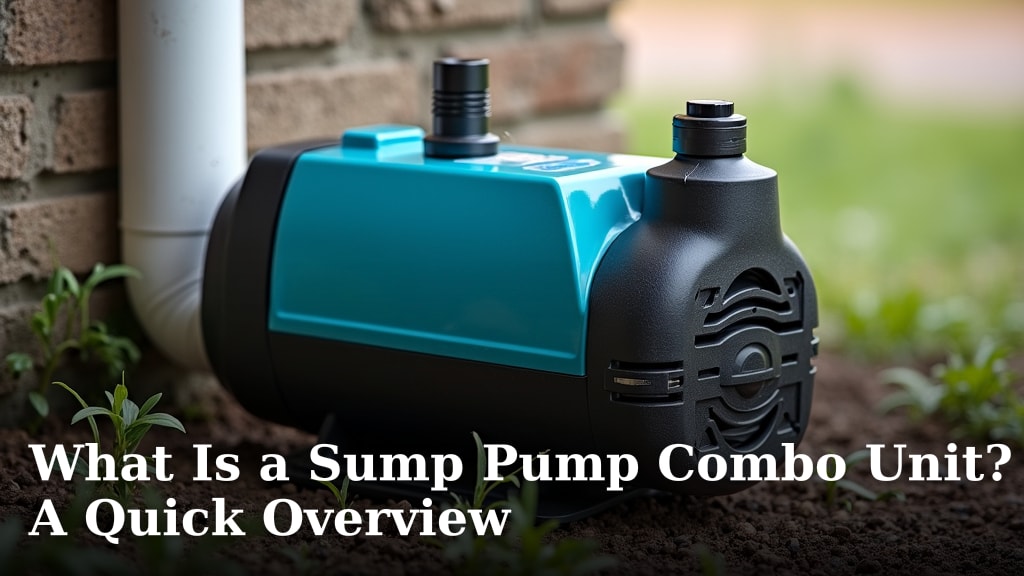
A sump pump combo unit is essentially two pumps working together in one housing to keep your basement dry. It combines a primary sump pump with a battery backup sump pump. This provides extra protection if the main pump fails or if your power goes out during a storm. Think of it as a reliable one-two punch against basement flooding.
We found that these units are designed for homeowners who want peace of mind. They offer an all-in-one solution for basement water management. Many experts say this setup is ideal for areas prone to heavy rain or power outages. It’s a smart choice to ensure your home stays protected.
- It’s a primary pump plus a backup in one package.
- It protects your basement from flooding.
- It works even when your Learn how long a sump pump runs when the power is out in our detailed guide.power is out.
- It’s a convenient way to ensure basement dryness.
Let’s look closer at what makes a sump pump combo unit a great choice for your home and how it works.
Understanding Sump Pump Combination Units
So, what exactly is a sump pump combo unit? Think of it as a supercharged basement protector. It’s a single device that houses two distinct sump pumps. One is your main workhorse, and the other is its trusted backup. This setup is designed to give you extra peace of mind. You get a primary pump to handle everyday water issues. Then, you have a secondary pump ready to go. This backup is often battery-powered. It kicks in if the main pump fails or if the power goes out. We found this dual-pump system is a smart way to protect your home.
How Does a Sump Pump Combo Unit Work?
The magic of a combo unit lies in its two-tiered defense strategy. Your basement or crawl space usually has a sump pit. This is a hole dug into the floor. Water naturally collects here from groundwater or surface runoff. A sump pump sits in this pit. When the water level rises to a certain point, a float switch activates the primary pump. This pump then pushes the water out and away from your foundation.
Now, what happens if that primary pump can’t do its job? Maybe it’s overloaded, or perhaps the power flickers during a storm. That’s where the backup pump in the combo unit shines. Many combo units have a secondary pump that also sits in the sump pit. This backup pump is often connected to a battery system. If the main pump isn’t working, or if the power is out, the backup pump will activate when the water reaches its trigger level. It takes over, pumping water to safety. We found this redundancy is key for reliable basement waterproofing.
The Primary Pump’s Role
The primary pump is the main player in the combo unit. It’s usually a more powerful pump designed for regular use. It’s typically AC-powered, meaning it relies on your home’s electricity. When water fills the sump pit, a float rises. This float is like a sensor. It tells the primary pump it’s time to start pumping. The pump then discharges water through a pipe, sending it far away from your house. Many experts suggest a strong primary pump is the first line of defense against minor water accumulation.
The Backup Pump’s Importance
The backup pump is your emergency responder. It’s there for those “what if” scenarios. Power outages are a common problem, especially during severe weather. Heavy rains can overwhelm even a good primary pump. If the power goes out, your main pump stops working. This is often when you need it most. The backup pump, usually powered by a deep-cycle battery, takes over. We found that a reliable battery backup can pump thousands of gallons on a single charge. This buys you critical time and prevents significant water damage.
Battery Backup Considerations
The battery is the If you’re wondering if you need a backup pump, our guide on whether you need a sump pump can help.heart of the backup system. These aren’t your typical AA batteries. They are deep-cycle marine batteries. These are designed to provide a steady amount of power over a long period. You’ll need to maintain the battery. This often means checking the water levels periodically. We found that many homeowners overlook battery maintenance. A neglected battery won’t be ready when you need it most. Regular checks, typically outlined in the manufacturer’s manual, are essential.
Why Choose a Combo Unit? The Benefits You Get
Opting for a sump pump combo unit offers several advantages. It simplifies your setup. You’re installing one unit instead of two separate ones. This can save space in your sump pit. It also streamlines installation and maintenance. Having both pumps in one housing often means they are pre-plumbed and pre-wired. This makes the setup process quicker. We found that convenience is a major selling point for many homeowners.
Enhanced Flood Protection
The most significant benefit is unparalleled flood protection. A single sump pump is good. A primary pump with a battery backup is even better. A combo unit provides this robust protection in a single package. It addresses the two most common reasons for pump failure: mechanical issues and power outages. This dual-action system ensures your basement stays dry more consistently. Many home insurance providers recommend having a backup system. This can potentially save you money on premiums and avoid costly flood damage claims.
Convenience and Simplicity
Imagine dealing with a flooded basement. The last thing you want is a complicated system. Combo units offer simplicity and convenience. They are designed as an all-in-one solution. You won’t have to worry about coordinating the installation of a separate primary and backup pump. The manufacturer has already done that work for you. This means fewer parts to manage and a cleaner installation. We found that this “set it and forget it” aspect is highly appealing to busy homeowners.
Cost-Effectiveness Over Time
While the upfront cost of a combo unit might seem higher than a single pump, it can be more cost-effective in the long run. You’re essentially buying two pumps for a single installation fee. Separately purchasing and installing a primary pump and a robust battery backup system can often cost more. Plus, the cost of dealing with basement flooding can be astronomical. Repairing water damage, replacing belongings, and dealing with mold can far outweigh the initial investment in a reliable combo unit. Research has shown that proactive flood prevention saves money (Consumer Reports).
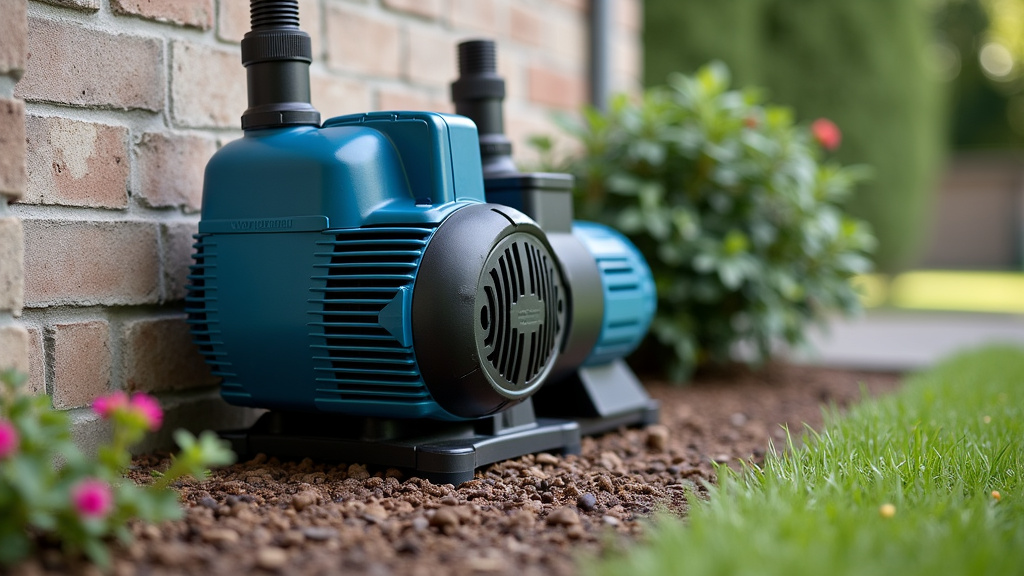
What to Look For in a Sump Pump Combo Unit
When you’re shopping for a combo unit, a few key features stand out. You want a unit that is built to last and perform. Don’t just grab the first one you see. Think about your specific needs. How much water does your area typically get? What is the risk of power outages? These questions will guide your decision.
Pump Performance Metrics
Pay close attention to the gallons per hour (GPH) rating. This tells you how much water the pump can move. Higher GPH means faster water removal. Also, check the horsepower (HP). A 1/3 HP pump is common for smaller homes or moderate water issues. A 1/2 HP pump is suitable for larger homes or areas with significant groundwater. We found that many manufacturers offer different HP options within their combo lines.
Backup System Capabilities
For the backup pump, look at its battery type and expected lifespan. Deep-cycle marine batteries are preferred. Also, consider the battery charger system. Does it offer an alert if the battery is low? Some advanced combo units even have integrated alarms that notify you if the main pump fails or if there’s a power outage. Many experts suggest looking for a system with a battery backup that can run for at least 24 hours under normal load conditions.
Construction and Durability
The materials used matter. You want a pump that is made from durable, corrosion-resistant materials. Cast iron or stainless steel are good choices. Avoid pumps made entirely of plastic, as they may not hold up as well over time. We found that solid construction means a longer lifespan and fewer problems down the road. Check reviews for common failure points.
A Quick Checklist for Your Combo Unit
Ready to make a decision? Here’s a handy checklist to help you ensure you’re getting the right combo unit for your home:
- Horsepower (HP): Does it match your home’s needs (1/3 HP, 1/2 HP)?
- Gallons Per Hour (GPH): Is the water-moving capacity sufficient?
- Backup Power: Is it a reliable battery system with a good charger?
- Materials: Is it built with durable, corrosion-resistant components?
- Float Switch: Does it have a reliable, long-lasting float switch?
- Warranty: What kind of warranty does the manufacturer offer?
Conclusion
A sump pump combo unit offers a smart, two-in-one solution for keeping your basement dry. It combines the everyday power of a primary pump with the essential reliability of a battery backup. This setup protects your home from common threats like power outages and pump failures. You gain peace of mind knowing your basement is defended against flooding. Choosing the right unit means checking performance metrics and construction quality. Ready to protect your home? Research specific models that match your home’s needs and your local climate.
Frequently Asked Questions
How often should I check my sump pump combo unit’s battery?
You should check your battery about once a month. This ensures the battery stays charged and the water levels are correct if it’s a maintenance-required type. We found that regular checks can prevent a dead battery when you need it most.
Can a combo unit handle extremely heavy rainfall?
Many combo units are designed for heavy rainfall. Look for units with higher horsepower (HP) and gallons per hour (GPH) ratings. The backup system ensures it can still function if the primary pump is overwhelmed or loses power.
What is the lifespan of a sump pump combo unit?
The lifespan varies based on the quality of construction and usage. Typically, you can expect a well-maintained unit to last between 10 to 15 years. Regular maintenance, especially for the battery, is key to its longevity.
Do I need a professional to install a sump pump combo unit?
While some DIY-savvy homeowners can manage installation, we recommend professional installation. A plumber or sump pump specialist can ensure it’s wired and plumbed correctly. This prevents potential issues and ensures optimal performance.
How do I know if my sump pump combo unit is working correctly?
Listen for the pump to activate when water levels rise. Many modern units also have indicator lights or audible alarms for power outages or pump malfunctions. Checking the battery and testing the pump periodically is a good practice.