What Is a Sump Pit? What You Should Know
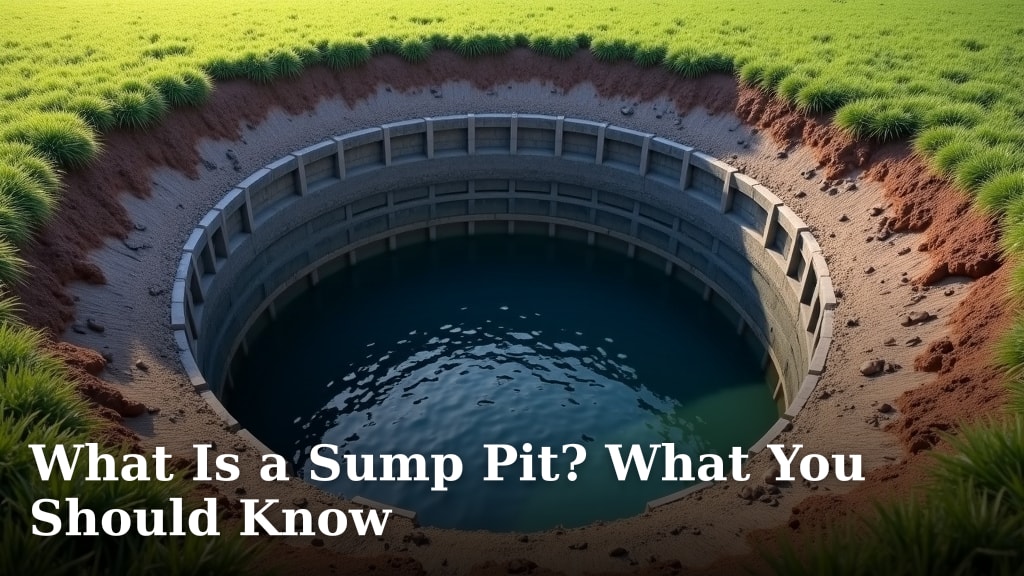
A sump pit, often called a sump basin, is a hole dug in your basement or crawl space floor. Its main job is to collect excess water. This stops your home from flooding, especially during heavy rain or snowmelt. It acts as a first line of defense against water damage.
Think of it as a crucial part of your home’s water management system. It works hand-in-hand with a sump pump. The pit’s purpose is to give the pump a place to gather water. This prevents water from pooling and damaging your foundation or basement.
- A sump pit is a hole in your floor.
- It collects water to prevent flooding.
- It works with a sump pump.
- This protects your home from water damage.
Let’s walk through exactly what a sump pit is and why it’s so important for keeping your home dry.
Understanding Your Sump Pit: The Basement’s Best Friend
A sump pit is essentially a collection point for water. It’s a specially designed hole in your basement or crawl space floor. Its main job is to gather water that might otherwise flood your home. This collected water is then pumped away by a sump pump. It’s a vital component for keeping your lower levels dry and safe from water damage.
What Exactly Is a Sump Pit?
Imagine a sturdy container buried in the ground. That’s kind of what a sump pit is. It’s usually a round or rectangular hole, typically between 18 and 30 inches deep and 10 to 30 inches in diameter. Most are made of plastic or concrete. They are installed at the lowest point in your basement or crawl space. This ensures that any water seeping into these areas will naturally flow towards it.
How Does a Sump Pit Work?
The operation is straightforward and effective. Groundwater or surface water can enter your basement through cracks in the foundation or even through the floor itself. This water then flows through drainage pipes (if you have a drainage system) or directly into the pit. Once the water level in the pit reaches a certain point, it triggers the sump pump. The pump then activates, drawing the water out of the pit and directing it away from your home through a discharge pipe. When the water level drops, the pump shuts off. It’s a simple yet powerful cycle of water management.
The Role of the Sump Pump
While the pit is the collector, the pump is the worker. Without a sump pump, the pit would just fill up and overflow. The pump is usually submersible or has a motor that sits above the water. It has a float switch that works like a toilet tank float. When the water rises, the float rises too, turning the pump on. When the water is pumped out and the level drops, the float goes down, turning the pump off. Many modern pumps also have backup systems in case of power outages.
Why Is a Sump Pit So Important?
Your home’s foundation is constantly under pressure from the surrounding soil and any water present. If water accumulates around your foundation, it can cause a lot of problems. A sump pit is your home’s first line of defense against these issues. It actively removes water that could otherwise saturate the soil and exert hydrostatic pressure against your basement walls and floor. This pressure can lead to cracks and leaks.
Preventing Basement Flooding
Basement flooding can be a homeowner’s nightmare. It can damage flooring, furniture, and stored items. More seriously, it can lead to mold growth and structural damage. A properly functioning sump pit and pump system can dramatically reduce the risk of flooding. This is especially true in areas prone to heavy rainfall, snowmelt, or high water tables. We found that homes with basements in flood-prone zones often benefit most from these systems (U.S. Environmental Protection Agency).
Protecting Your Foundation
Constant moisture around your foundation can weaken it over time. It can also lead to frost heave in colder climates. Frost heave occurs when water in the soil freezes and expands, pushing against the foundation. A sump pit helps to lower the water table around your foundation, reducing the risk of both hydrostatic pressure and frost heave. This protection is essential for the long-term integrity of your home.
Controlling Humidity and Mold
Even if you don’t experience outright flooding, a damp basement can be a breeding ground for mold and mildew. These fungi thrive in moist environments and can cause respiratory problems and damage your home. By collecting and removing excess water, a sump pit helps to keep your basement drier. This reduces the overall humidity and makes it much harder for mold to grow. We found that controlling moisture is key to preventing mold issues in basements (Centers for Disease Control and Prevention).
Types of Sump Pits and Materials
Sump pits aren’t all made the same. The material and design can affect their durability and performance. Understanding these differences can help you if you need to install or replace one.
Plastic Sump Pits
These are very common today. They are typically made of high-density polyethylene (HDPE). Plastic pits are lightweight, corrosion-resistant, and generally less expensive than concrete ones. They are easy to install because they don’t weigh much. Many plastic pits come with pre-drilled holes or knockouts for drainage pipes. They often include lids to help reduce noise and prevent debris from falling in.
Concrete Sump Pits
Concrete pits are also a popular choice. They are very durable and can withstand significant pressure from the surrounding soil. Because they are heavier, they tend to stay in place well. However, concrete can be prone to cracking over time, especially if subjected to freeze-thaw cycles. They are also heavier and more expensive to install. Sometimes, older homes might have a concrete pit that was dug out and poured on-site.
Other Considerations: Size and Shape
The size of the pit is important. A pit that is too small might fill up too quickly and cause the pump to cycle on and off too frequently. This can shorten the pump’s lifespan. A pit that is too large might not allow the pump to cycle properly, as it takes longer to fill up. The shape, usually cylindrical, helps distribute the pressure evenly from the soil. Some pits have multiple inlet holes to connect to your home’s drainage system.

Installation and Maintenance: What You Need to Know
Installing a sump pit is usually a job for a professional. It involves digging a hole in your basement floor, potentially dealing with concrete cutting and plumbing. However, understanding the basics can help you communicate with contractors and ensure the system is set up correctly.
The Installation Process
First, a hole is excavated at the lowest point of your basement. Then, the pit liner (plastic or concrete) is placed inside. If it’s a plastic pit, gravel is often placed around it for drainage. If it’s concrete, it might be poured in place. Next, a sump pump is placed inside the pit, and a discharge pipe is connected. This pipe runs outside your home, away from the foundation, to direct water safely. Finally, a lid is secured, and a vent is often added to the discharge pipe. This prevents a vacuum from forming and allows air to escape.
Regular Maintenance Checks
Your sump pit and pump need regular checks to ensure they’re working correctly. This is not a “set it and forget it” system. You should test the pump at least once a year, or more often if you live in a high-water area. To test it, pour a bucket of water into the pit. Watch to see if the float rises and the pump activates, discharging the water. Also, check that the discharge pipe is clear of any debris or blockages. We recommend checking for any unusual noises or vibrations from the pump as well.
Common Issues and Troubleshooting
What happens if it doesn’t work? Common problems include the pump not turning on (check the power, the float switch, and the breaker), or the pump running constantly (this could mean a blockage or a leak in the discharge line). Debris can clog the pit or the pump impeller. We found that ensuring the float switch has free movement is key to proper operation (Plumbing industry standards).
Sump Pit Checklist for Homeowners
Here’s a quick list to help you keep your sump pit system in top shape:
- Test the pump at least annually by pouring water into the pit.
- Ensure the float switch moves freely without obstruction.
- Check the discharge pipe for clogs or ice buildup in winter.
- Inspect the pit for excessive sediment or debris.
- Listen for unusual noises during pump operation.
- Confirm that water is being discharged away from your home.
Conclusion
You’ve learned that a sump pit is your basement’s quiet guardian. It’s a vital collection point for water, working hand-in-hand with a sump pump to keep your home safe and dry. By preventing flooding, protecting your foundation, and controlling humidity, this simple system offers peace of mind. Don’t wait for a water problem to occur. Take a moment this week to check your sump pit system. If you have questions about its condition, consider contacting a qualified professional for an inspection.
Frequently Asked Questions
Do I really need a sump pit if I don’t live in a flood zone?
Yes, you might. Even homes not in designated flood zones can experience water issues from heavy rain, snowmelt, or high water tables. A sump pit acts as a preventative measure, managing moisture that could otherwise cause damage over time. We found that controlling basement moisture is key to preventing long-term problems.
How often should I check on my sump pit and pump?
We recommend testing your sump pump at least once a year. More frequent checks are wise if you live in an area with heavy rainfall or experience frequent storms. A quick visual inspection for debris and listening for unusual noises during operation can also help catch issues early.
What’s the difference between a sump pit and a French drain?
A sump pit is a basin that collects water at a low point in your basement. A French drain is a trench filled with gravel and a perforated pipe that intercepts groundwater and directs it away, often towards a sump pit. They are related systems, but the pit is the collection and discharge point.
Can a sump pit be installed in a crawl space?
Absolutely. Sump pits are commonly installed in crawl spaces, especially if the crawl space is at the lowest point of your home or prone to moisture. The principle is the same: collect and pump away water to protect your home’s structure.
What if my sump pump fails during a power outage?
This is a common concern. Many homeowners opt for a battery backup system for their sump pump. These systems have a separate battery power source that activates the pump if the main power goes out. We’ve found this to be a very effective way to ensure your home stays protected.