How Does a Sump Pump Prevent Flooding? The Simple Answer
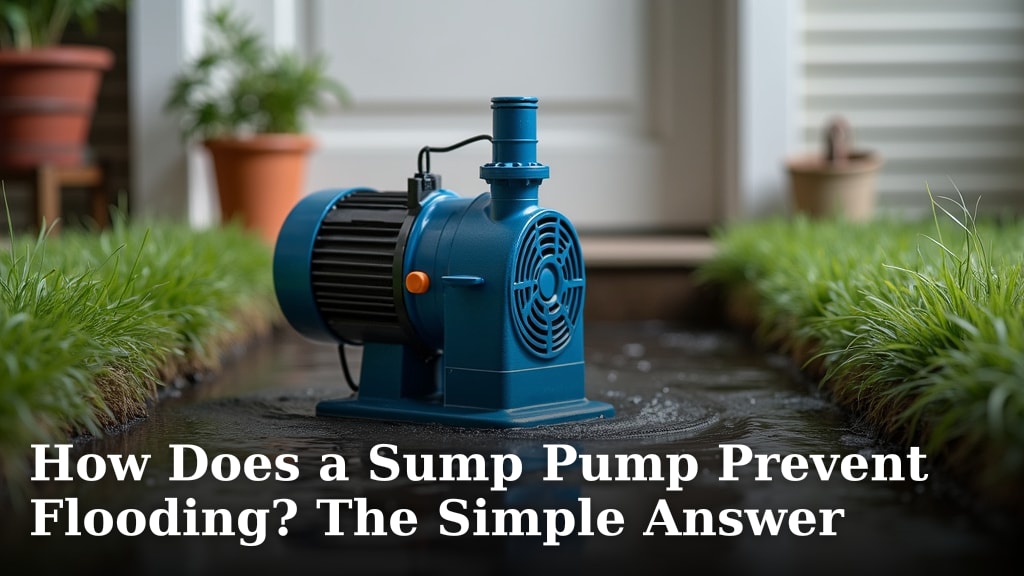
A sump pump prevents flooding by automatically removing water that collects in your basement or crawl space. When water levels rise, a float switch activates the pump, which then discharges the water away from your home’s foundation. Think of it as your home’s little bodyguard against basement water worries.
Basements can get wet for many reasons, like heavy rain or rising groundwater. Without a way to manage this water, it can pool around your foundation. A sump pump is a smart, simple solution for this common home issue. Many homeowners find it provides great peace of mind.
- Sump pumps push water out of your basement.
- They use a float switch to know when to turn on.
- This keeps water from damaging your home’s foundation.
- It’s an important defense against basement floods.
Ready to understand exactly how this handy device works to keep your basement dry? Let’s walk through the simple steps involved.
Understanding Your Sump Pump’s Role in Flood Prevention
Your sump pump acts as your basement’s personal drainage system. It’s designed to automatically collect and remove water that might otherwise pool around your home’s foundation. This simple device can save you a lot of headaches and expensive repairs down the road.
The Basic Function: Moving Water Away
At its core, a sump pump’s job is to prevent water from accumulating. Water can enter your basement through various means. It might seep through cracks in your foundation. It can also rise from the surrounding soil, especially after heavy rains or snowmelt. Your sump pump is the hero that intercepts this water before it becomes a problem.
How the Sump Pit Collects Water
The journey of water prevention starts with the sump pit, also known as a sump basin. This is essentially a hole dug into the floor of your basement or crawl space. It’s usually made of plastic or concrete. The pit is strategically placed at the lowest point of your basement. This ensures that any water that enters naturally flows into it.
Imagine your basement floor is like a gentle slope. All the water will naturally find its way down to the lowest point. That lowest point is where your sump pit sits, ready to catch the flow. This collection point is key to the whole system working effectively.
The Role of Drainage Tiles
Often, your sump pit works in tandem with a system of drainage tiles, also called weeping tiles or drain tiles. These are perforated pipes laid around the perimeter of your foundation, both inside and outside. They are usually buried in gravel.
When groundwater levels rise, the water seeps into the gravel. It then enters the perforations in the drainage tiles. These tiles act like a network of underground channels. They direct the collected water towards the sump pit. This keeps the water from building up directly against your foundation walls.
We found that a well-designed drainage tile system is a critical partner to your sump pump (U.S. Environmental Protection Agency). Without it, the sump pit might only catch water that has already reached the basement floor. The tiles intercept it earlier.
The Float Switch: The Pump’s Brain
So, how does the pump know when to turn on? That’s where the float switch comes in. Think of it like the water level sensor in your toilet tank. It’s a device that detects when the water in the sump pit has reached a certain height.
As water fills the sump pit, it causes a buoyant object – the float – to rise. When the float reaches a specific point, it triggers a switch. This switch then activates the sump pump motor. It’s a simple, reliable mechanism.
How the Float Switch Activates the Pump
The float can come in a few different designs. Some are like a small ball that bobs on the water’s surface. Others are like a tethered float that hangs from the side of the pump. Regardless of the style, the principle is the same: rising water lifts the float, and the lifted float signals the pump to start.
When the pump operates, it begins to discharge the water. This lowers the water level in the sump pit. As the water level drops, the float also drops. Eventually, it reaches a point where it turns off the switch, stopping the pump. This on-and-off cycle ensures the pump only runs when necessary, saving energy and reducing wear and tear.
The Discharge Pipe: Getting Water Out
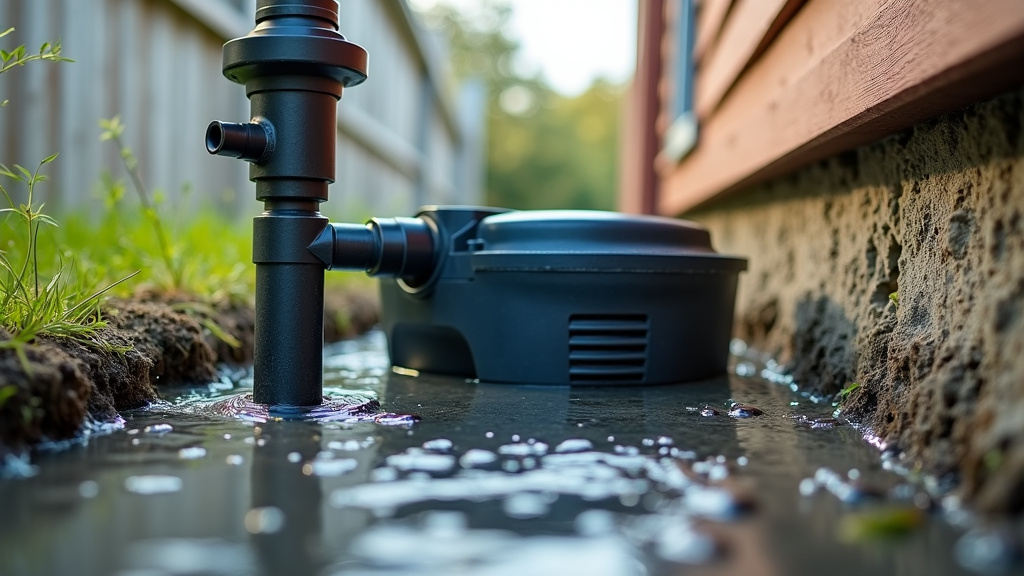
Once the sump pump is activated, it needs a way to get the water out of your basement and away from your home. This is achieved through the discharge pipe. This pipe is connected to the pump and extends up and out of your house.
The discharge pipe should always lead to a location where the water can flow freely away from your foundation. This might be a storm drain, a dry well, or simply a downhill slope in your yard. It’s important that the discharge point is at least 10-20 feet away from your home. This prevents the discharged water from simply flowing back towards your foundation.
Ensuring Proper Discharge
A common mistake is allowing the discharge pipe to drain too close to the house. This can create a new source of water problems. You should check your local building codes and guidelines. Many sources recommend a minimum distance for effective drainage (International Residential Code).
You also want to make sure the discharge pipe is free of obstructions. Leaves, ice, or debris can block the pipe. This can cause water to back up into the pit, potentially overflowing it. Some systems include a check valve. This prevents water from flowing back down the discharge pipe into the pit when the pump turns off.
Types of Sump Pumps and How They Work
There are two main types of sump pumps you’ll encounter: submersible and pedestal pumps. Each has its own way of operating and benefits.
Submersible Sump Pumps
Submersible pumps are designed to be placed directly in the sump pit, submerged in water. They are typically housed in a sealed casing. This protects the motor from water damage and also helps to reduce noise.
The pump unit, including the motor, rests on the bottom of the pit. The float switch is often attached to the side of the pump. As the water rises, it lifts the float, activating the pump. These are generally considered more robust and longer-lasting.
Pedestal Sump Pumps
Pedestal pumps, also known as upright pumps, have their motor located above the sump pit. The pump itself hangs down into the pit on a long pedestal. The float switch is also typically located on the pedestal, often higher up.
These pumps are usually less expensive than submersible models. They are also easier to access for maintenance because the motor isn’t submerged. However, they can sometimes be noisier. The motor is also more exposed to the basement environment.
Putting It All Together: A Flood Prevention Cycle
Let’s recap the entire process. Water enters your basement or collects around your foundation. It flows into the sump pit, thanks to gravity and potentially drainage tiles. As the water level in the pit rises, it lifts the float switch.
The float switch activates the sump pump motor. The pump then engages and draws water from the pit. It pushes this water through the discharge pipe. The water travels through the pipe and exits your home, flowing away from the foundation. As the water level in the pit drops, the float descends. Learn how long the sump pump then engages to remove water.
When the float reaches its lowest point, it deactivates the switch, turning off the pump. The cycle then repeats itself as needed. This automatic process works tirelessly to keep your basement dry. It’s a smart defense against potential water damage.
When to Consider a Sump Pump System
Not every home needs a sump pump. However, certain conditions make them highly recommended. If your home has a basement or crawl space, it’s a good idea to assess your risk. We found that homes in areas with high water tables or frequent heavy rainfall are prime candidates (National Association of Home Builders).
Do you have a history of basement dampness or minor flooding? Even occasional puddles can lead to mold growth and structural issues. A sump pump can be a cost-effective solution. It protects your property value and your home’s integrity.
Checklist for Sump Pump Preparedness
Are you wondering if a sump pump is right for your home? Here’s a quick checklist:
- Does your home have a basement or crawl space?
- Is your property located in a flood-prone area?
- Have you experienced dampness or water in your basement before?
- Do you live in a region with heavy seasonal rainfall or snowmelt?
- Are you concerned about potential water damage to your home’s foundation?
- Would peace of mind about basement water be beneficial for you?
If you answered yes to several of these questions, a sump pump system is likely a wise investment. It provides a reliable layer of protection for your home against water intrusion.
Conclusion
Your sump pump is a straightforward yet powerful defense against basement flooding. By automatically collecting and discharging excess water, it protects your home’s foundation from serious damage. You’ve learned how the sump pit, drainage tiles, float switch, and discharge pipe work together. This system provides essential peace of mind. Ready to ensure your basement stays dry? Take the next step by assessing your home’s water risk and considering a sump pump installation if needed.
Frequently Asked Questions
How often should a sump pump run?
A sump pump should only run when there’s excess water to remove. If it’s running constantly or very frequently, it might indicate a problem with the pump or a drainage issue. You may want to have it inspected if you notice it running too often.
Can a sump pump run dry and get damaged?
Yes, running a sump pump dry can cause damage to its motor. The water not only cools the motor but also lubricates its moving parts. Most modern pumps have safeguards, but it’s best to ensure the pit has enough water to operate properly.
What happens if the power goes out and my sump pump stops working?
If the power goes out during a heavy rain, your sump pump won’t run, and water can begin to accumulate. Many homeowners install a battery backup sump pump. This system takes over automatically if the primary power source fails.
Do I need drainage tiles if I have a sump pump?
Drainage tiles work with a sump pump to intercept groundwater before it reaches your basement floor. While a sump pump can collect water that enters the pit directly, drainage tiles greatly improve the system’s effectiveness by directing water to the pit earlier.
How far away from my house should the sump pump discharge water?
You should ensure the discharge pipe sends water at least 10 to 20 feet away from your home’s foundation. This prevents the water from simply flowing back towards your house and creating new dampness problems.