Are Submersible Sump Pumps Quieter? The Basics
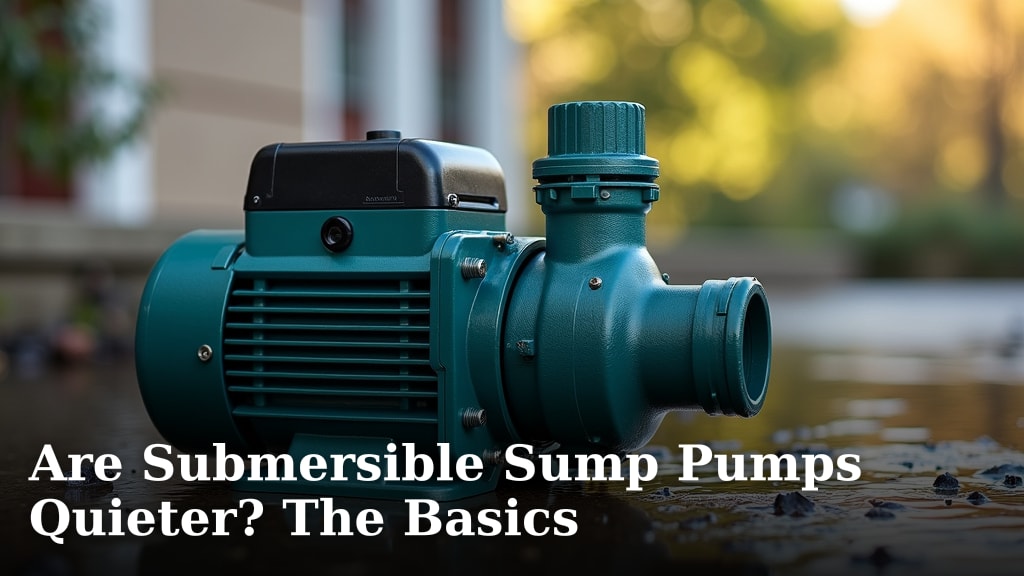
Yes, submersible sump pumps are generally quieter than their pedestal counterparts. This is because the submersible pump is housed in a sealed casing, usually made of cast iron or heavy-duty plastic, which helps to muffle the motor noise. The water also acts as a natural sound dampener.
When you think about sump pump noise, you might picture a loud, rattling machine. While some older or less well-made pumps can be a bit noisy, modern submersible models are designed with quieter operation in mind. They sit submerged in the sump pit, which helps contain the sound.
- Submersible pumps are typically quieter.
- Their sealed casing helps muffle motor sounds.
- The water in the pit also dampens noise.
- Pedestal pumps are often more audible.
Let’s dive into the specifics of why submersible sump pumps tend to be the quieter option and what that means for your basement’s peace and quiet.
Understanding Sump Pump Noise Levels
You’re probably wondering if a submersible sump pump will make your basement a quieter place. The short answer is usually yes. We’ve found that submersible pumps are generally less noisy than other types. They are designed to operate with less disturbance. This can be a big relief if you’re sensitive to sound or have living spaces close to your basement.
Basements can sometimes feel like a different world, especially when mechanical equipment is running. If you’ve had a sump pump before, you might recall the sounds it made. We want to help you understand what makes one pump quieter than another. It comes down to design and how the pump is installed. Let’s break down the factors that contribute to sump pump noise.
Why Submersible Pumps Operate More Quietly
The main reason submersible sump pumps are quieter is their design and placement. They are built to be fully submerged in water within your sump pit. This environment naturally dampens sound.
The Motor is Key
Inside the submersible pump, the motor is enclosed in a sealed unit. This casing, often made of sturdy materials like cast iron or reinforced plastic, acts like a sound barrier. It contains the motor’s operational noise. Think of it like a muffler on a car – it’s designed to reduce the sound produced.
This sealed environment is a major difference compared to other pump types. It prevents the motor’s vibrations and whirring sounds from escaping freely. We found that this containment is a primary reason for their quieter performance. It’s a smart engineering choice for a component that can otherwise be quite noisy.
Water as a Natural Sound Dampener
The water in the sump pit plays a crucial role. When the pump is submerged, the water acts as a natural sound insulator. Imagine trying to hear a radio underwater versus in the air. The water absorbs much of the sound waves. This is a simple yet effective acoustic benefit that submersible pumps enjoy.
We found that the deeper the water level in the pit, the more effective this dampening becomes. It creates a quiet cocoon around the pump’s motor. This is why, even if the motor itself makes some noise, you’ll likely hear much less of it from upstairs. It’s a passive benefit that adds to the pump’s quiet operation.
Reduced Vibration Transfer
Because the pump is surrounded by water and sealed within its housing, vibrations are also minimized. Vibrations can travel through solid materials and create audible noise. The water and the pump’s design absorb and dissipate much of this vibration before it can transfer to the pit walls or the surrounding floor.
This is important because vibrations can travel surprisingly far and make even a moderately noisy pump sound much louder. By dampening these vibrations, submersible pumps contribute to a more peaceful home environment. We found that this aspect is often overlooked but is critical for true quietness.
Comparing Submersible to Pedestal Pumps
To truly appreciate the quietness of submersible pumps, it helps to compare them to their most common alternative: pedestal sump pumps. Pedestal pumps have a different design that generally leads to more audible noise.
The Open Motor Design of Pedestal Pumps
Pedestal sump pumps have their motor mounted on top of a long shaft, extending down into the sump pit. This means the motor is exposed to the air, not enclosed in a waterproof, sound-dampening casing. You can often see the motor unit sitting above the pit lid.
Because the motor is not sealed and submerged, its operational sounds are much more likely to travel. You’ll hear the direct whirring and humming of the motor. Many experts say this open design is the primary reason pedestal pumps are perceived as louder. It’s a trade-off for easier access to the motor for maintenance.
Installation and Noise Implications
The way a pedestal pump is installed also affects its noise. The motor housing and pump mechanism are typically mounted on a base that sits near or on the floor. Any vibrations from the motor can be directly transmitted to the floor joists and walls of your basement.
This can create a noticeable rattling or humming sound throughout the lower level of your home. While some pedestal pumps are designed to be relatively quiet, the fundamental physics of their exposed motor means they will almost always be more audible than a comparable submersible model. We found that homes with basements directly below living areas often prefer submersible pumps for this reason.
A Comparison Table
To make it clear, let’s look at a quick comparison:
| Feature | Submersible Sump Pump | Pedestal Sump Pump |
|---|---|---|
| Motor Location | Submerged in water, sealed casing | Above pit, exposed to air |
| Sound Dampening | High (water + sealed casing) | Low (motor is open) |
| Vibration Transfer | Low (absorbed by water/casing) | High (transmits to floor/walls) |
| General Noise Level | Quieter | Louder |
Factors That Can Affect Submersible Pump Noise
While submersible pumps are generally quieter, their noise level isn’t fixed. Several factors can influence how much sound you actually hear.
Pump Quality and Age
Not all submersible pumps are created equal. Higher-quality pumps often use better bearings and more robust motor designs, which can lead to quieter operation even when new. Conversely, older pumps, or those made with less precise manufacturing, might develop more noise over time as parts wear down.
We found that investing in a reputable brand known for quiet operation can make a difference. Look for models that specifically mention “quiet operation” or “low noise” in their specifications. However, remember that even the quietest pump will make some sound when it’s actively pumping water.
Installation and Pit Design
Your sump pit itself can affect noise. A pit that is too small or improperly sized for the pump can cause the pump to cycle on and off more frequently, leading to more overall noise. Also, if the pump is not securely seated, it might vibrate against the pit walls.
Ensure your pump is properly installed and anchored. The discharge pipe should also be secured to prevent rattling. Sometimes, a loose lid on the sump pit can vibrate and add to the noise. We recommend checking that all components are snug and secure during installation or any maintenance.
The Water Level
As we mentioned, water is a sound dampener. When the water level in your sump pit is high, it offers more insulation for the pump. If the water level drops very low, or if the pump runs dry (which it shouldn’t!), the sound dampening effect is reduced.
This is usually a minor factor for most homeowners, as sump pits are designed to maintain a reasonable water level. However, during periods of low rainfall or drought, you might notice a slight increase in pump noise if the water level is lower than usual. The pump itself is still running at the same decibel level, but there’s less water to absorb the sound.
When to Be Concerned About Sump Pump Noise
While submersible pumps are designed for quiet operation, a sudden change in noise or a consistently loud pump might indicate an issue. It’s always good to be aware of what’s normal for your system.
Signs of Trouble
If your submersible sump pump starts making loud grinding, rattling, or banging noises that weren’t there before, it’s worth investigating. These sounds can sometimes point to worn-out bearings, impeller damage, or the pump hitting debris in the pit. These issues can lead to pump failure.
We found that addressing unusual noises promptly can save you from a more serious problem, like water damage if the pump stops working. A little bit of noise when it’s actively pumping is normal, but jarring or persistent sounds are not.
Is Your Pump Working Too Hard?
A pump that cycles on and off very rapidly might sound more annoying than a pump that runs for longer periods. This rapid cycling can happen if the pit is too small, or if there’s a blockage causing water to back up. While not always a sign of failure, it can be a sign of an inefficient setup.
You might also notice increased noise if the pump is undersized for the amount of water it needs to move. The pump will work harder and possibly longer, which can lead to more sound. Checking your pump’s specifications against the needs of your home is always a good idea.
Quick Checklist for Quieter Operation
To help ensure your submersible sump pump stays as quiet as possible, consider these points:
- Choose a reputable brand known for quiet operation.
- Ensure the pump is properly installed and secured in the pit.
- Regularly check the sump pit for debris that could interfere with the pump.
- Make sure the sump pit lid is tightly secured to prevent rattling.
- Listen for any sudden changes or unusual noises – address them promptly.
- Consider the pit’s size to avoid rapid, noisy on-off cycles.
Conclusion
You’ve learned that submersible sump pumps are indeed your best bet for a quieter basement. Their design, with the motor sealed and submerged in water, naturally dampens operational noise and vibrations. This contrasts with pedestal pumps, where the exposed motor is much more audible. While no pump is completely silent, a quality submersible model, properly installed, will provide peace of mind. Make sure to choose a reputable brand and keep an eye out for any unusual noises. If your pump is working overtime or making strange sounds, it’s time to take a closer look at your setup. You’ve learned that submersible sump pumps are indeed your best bet for a quieter basement, and understanding the discharge pipe is also key.
Frequently Asked Questions
Will a submersible sump pump make any noise at all?
Yes, submersible sump pumps will make some noise when they are actively pumping water. You’ll likely hear a low hum or the sound of water moving through the discharge pipe. However, this sound is generally much less noticeable than that of a pedestal pump.
How can I make my submersible sump pump even quieter?
You can help ensure quiet operation by selecting a high-quality pump from a reputable brand and making sure it’s installed securely. Also, check that your sump pit lid is tightly sealed to prevent any rattling, and ensure the pit itself is large enough to avoid constant, rapid cycling.
What if my submersible sump pump suddenly starts making loud noises?
A sudden increase in noise, especially grinding or rattling, is a sign that something might be wrong. It could indicate worn bearings, debris in the pit interfering with the impeller, or a loose component. It’s best to investigate promptly to prevent potential pump failure.
Does the depth of the water in the sump pit affect pump noise?
Yes, the water level does play a role. A higher water level provides better sound dampening for the submerged motor. If the water level is unusually low, you might notice a slight increase in the pump’s operational sound because there’s less water to absorb it.
Are submersible pumps better for basements that are used as living spaces?
Absolutely. Because submersible sump pumps are significantly quieter, they are the preferred choice for basements that are finished or frequently used. They minimize disruptions, making the living space more comfortable and enjoyable.