How Deep Is a Sump Pump Hole? A Fast Answer
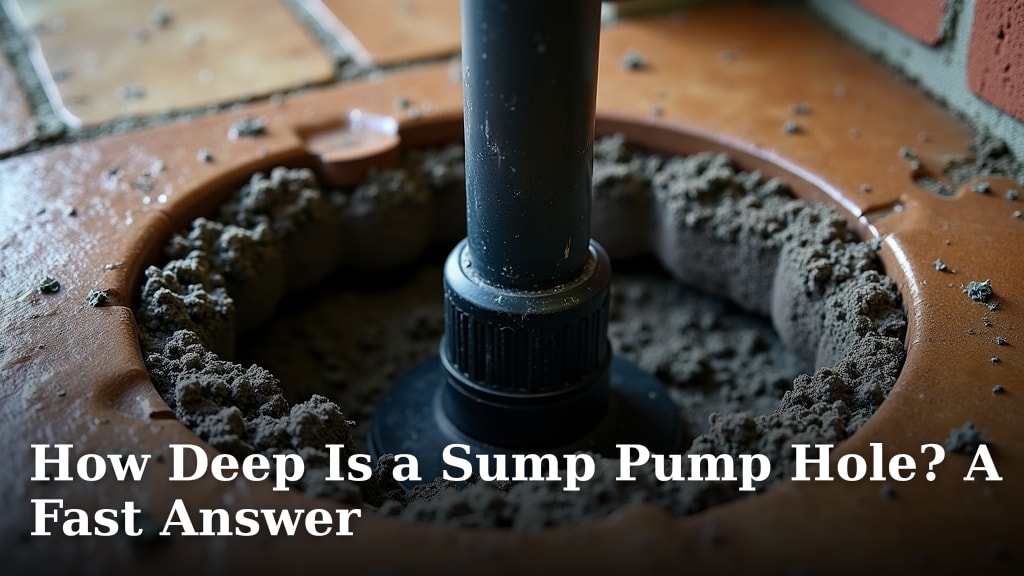
The standard sump pump hole, also known as a sump pit or crock, is typically 18 to 24 inches deep. This depth is carefully chosen to allow the pump to effectively collect and remove basement water. Most sump pump holes are also about 18 inches in diameter, creating a stable and accessible space for the pump itself.
Understanding your sump pump hole’s dimensions is important for proper basement waterproofing. A pit that’s too shallow might not collect enough water. One that’s too deep could potentially cause other issues. We found that proper pit size helps ensure your pump operates efficiently and protects your home from water damage. It’s a key component of your drainage system.
- Sump pump holes are usually 18-24 inches deep.
- They are commonly 18 inches wide.
- Depth matters for effective water collection.
- Proper size protects your basement from water.
Let’s walk through the typical sizing and why it matters for your home’s protection.
Understanding Sump Pump Pit Dimensions
The common depth for a sump pump hole, often called a sump pit or crock, is typically between 18 and 24 inches. This range is considered standard for most homes. It’s designed to give your pump enough room to operate effectively. We found that this depth allows for good water collection. It also helps prevent the pump from running dry too often.
Why Pit Depth Matters So Much
The depth of your sump pit is more than just a number; it’s a key factor in how well your basement stays dry. A pit that’s too shallow can lead to problems. Imagine a small puddle; your pump might turn on and off very quickly. This is called “short-cycling.” It’s hard on the pump’s motor and can shorten its lifespan. We found that consistent operation is better for the pump.
On the flip side, a pit that’s excessively deep might also pose issues. If the pit goes much deeper than the discharge pipe, water could potentially flow back into the pit. This means the pump might have to work harder to remove the same amount of water. It’s like trying to fill a bucket with a hole in it; you’re constantly losing ground. Many plumbing experts agree that a balanced depth is best. If the pit goes much deeper than the sump pump discharge pipe, water could potentially flow back into the pit.
The Sweet Spot for Water Collection
The 18 to 24-inch depth range provides a good balance. It allows enough water to accumulate before the pump activates. This helps ensure the pump runs for a reasonable cycle. It empties the pit efficiently. Then it has time to rest before the next cycle. We found this consistent rhythm is ideal for pump longevity and basement protection.
Common Sump Pit Width and Shape
While depth is a primary concern, the width of the sump pit is also important. Most sump pump holes are about 18 inches in diameter. This round shape is common for a reason. It provides a stable base for the sump pump. It also makes it easier to access the pump for maintenance or replacement. We found that round pits are easier to install and less prone to collapse than square ones.
Some older homes might have square or rectangular pits. These can be built from concrete blocks or even plastic liners. While they function, they can sometimes be more challenging for pump placement. We found that a consistent diameter is generally preferred for pump stability. A diameter of 18 inches is common, but some can be up to 30 inches. Larger pits might be found in areas with very high water tables or frequent heavy rains.
Factors Influencing Sump Pit Size
So, what dictates the exact size of your sump pit? Several factors come into play. It’s not a one-size-fits-all situation. The size of your home and its foundation can influence the pit’s dimensions. The type of soil surrounding your foundation is another consideration. Drainage patterns in your yard also play a role.
Local Building Codes and Regulations
Many municipalities have specific building codes that dictate sump pit construction. These codes are designed to ensure safety and effectiveness. They often specify minimum or maximum depths and diameters. These regulations are based on research into preventing basement flooding. We found that complying with local codes is essential. Your local building department can provide specific details for your area.
Soil Conditions and Water Table Height
The type of soil around your foundation can affect how water drains. Clay soil, for instance, drains more slowly than sandy soil. If you have heavy clay soil, a slightly larger or deeper pit might be beneficial. This allows more time for water to seep into the pit before the pump engages. Similarly, areas with a high water table will require a robust system. A higher water table often means more water accumulation. This might necessitate a larger pit to handle the volume. We found that understanding your local soil and water conditions is a smart first step.
Home’s Age and Original Construction
Older homes might have sump pits that were installed before current standards were established. They may not always meet today’s ideal dimensions. Sometimes, older pits are shallower or narrower than what is recommended now. If your home is older, it’s worth checking if your existing pit is adequate. We found that many homeowners upgrade their sump pump systems over time. This often includes improving the sump pit itself.
What to Do if Your Sump Pit Seems Off
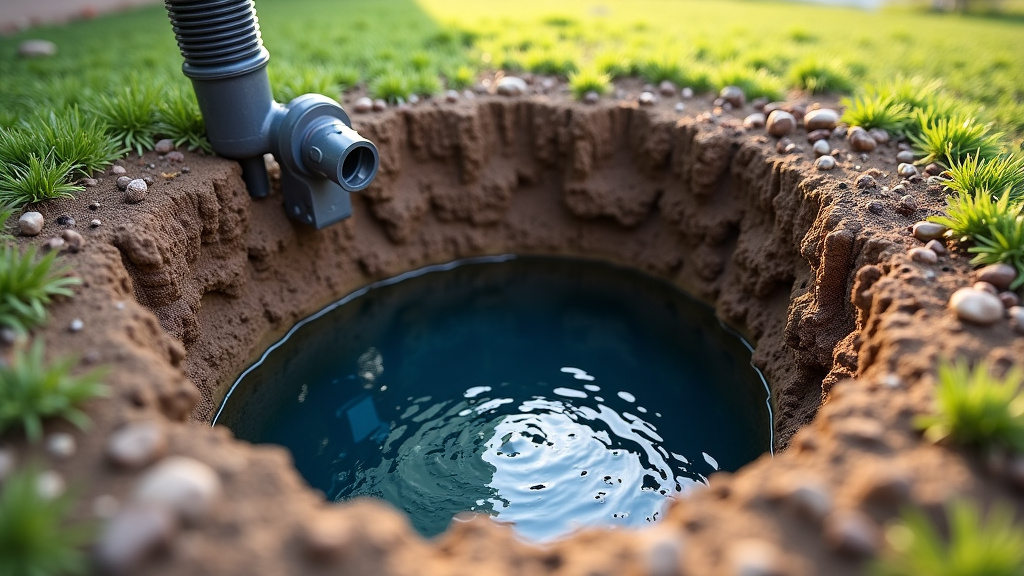
If you suspect your sump pit isn’t the right size, don’t panic. There are steps you can take. The first thing is to measure it. You can carefully measure the depth from the bottom of the pit to the top edge. Measure the diameter across the widest point. Compare these measurements to the standard ranges we’ve discussed.
Assessing Pit Functionality
Beyond just the dimensions, how well is your pit working? Is it filling up quickly? Does the pump cycle on and off too frequently? Does the water seem to drain away effectively after the pump runs? Observe your sump pump system during and after rain. This observation can tell you a lot. We found that noticing how your pump behaves provides valuable clues about the pit’s performance.
Signs of a Pit That’s Too Shallow
As mentioned, short-cycling is a big red flag. If your pump turns on, runs for only a few seconds, and then shuts off, the pit is likely too shallow. This rapid on-off pattern puts a strain on the motor. It’s a sign that water isn’t accumulating sufficiently before the pump starts. You might also notice the pit isn’t holding much water even after heavy rain.
Signs of a Pit That’s Too Deep
If your pit is excessively deep, you might notice that the water level doesn’t drop significantly. Even after the pump runs, the water at the bottom remains high. This could indicate water is seeping back in. It might also mean the pump is too small for the pit’s volume. We found that a pump that runs for a very long time without emptying the pit completely could also be a sign. It’s trying to overcome the excess depth.
When to Consider Pit Modification or Replacement
If your measurements and observations suggest your sump pit isn’t optimal, it might be time for a change. In some cases, you can modify an existing pit. This might involve extending its depth or widening it. However, for many homeowners, especially with older or non-standard pits, replacement is a better option. A new, properly sized pit can be installed. This ensures your sump pump has the best possible environment to work in.
We found that consulting with a basement waterproofing professional is often the wisest course of action. They can assess your specific situation. They can recommend the best solution, whether it’s modifying the existing pit or installing a new one. They have the expertise to ensure the new pit meets all local codes and functions effectively. This professional guidance helps ensure your home remains protected from water damage.
A Quick Checklist for Your Sump Pit
Here’s a quick way to think about your sump pit’s health:
- Measure its depth and width.
- Compare to standard 18-24 inch depth and 18-inch width.
- Listen for excessive or very short pump cycles.
- Observe how long the pump runs.
- Check if the water level drops appropriately.
- Consult a professional if unsure.
Conclusion
You now know that a typical sump pump hole measures 18 to 24 inches deep and about 18 inches wide. This standard sizing is key for your pump to work efficiently and protect your basement. We found that the right pit dimensions help prevent pump damage from short-cycling and ensure effective water removal. If your pit seems too shallow or too deep, it’s worth investigating. Measuring your pit and observing its performance are your first steps. For any concerns, consulting a basement waterproofing professional will help you find the best solution.
Frequently Asked Questions
Can I make my sump pump pit deeper myself?
Modifying a sump pit’s depth can be a complex job. If your pit is too shallow, it might be possible to extend it. However, this often requires excavation and proper drainage system adjustments. We found that it’s best to consult with a basement waterproofing expert before attempting any DIY modifications.
What happens if my sump pump pit is too wide?
A pit that is too wide might cause the sump pump to run for too long each cycle. This can be inefficient. It could also lead to the pump not fully clearing the pit. We found that a standard 18-inch diameter usually provides a good balance for most pumps.
Does the material of the sump pit matter for depth?
The material itself, like plastic or concrete, doesn’t directly dictate the ideal depth. What matters more are the local building codes and your home’s specific water drainage needs. We found that both plastic and concrete pits can be constructed to standard depths.
How often should my sump pump run?
There’s no exact schedule for how often a sump pump should run. It depends on rainfall and your home’s drainage. We found that frequent, very short cycles (short-cycling) are a sign the pit might be too shallow. Long cycles that barely empty the pit could mean it’s too deep or the pump is undersized.
Is a 30-inch deep sump pit too deep?
A 30-inch deep pit is on the deeper side of average. Whether it’s “too deep” depends on your specific water table and home’s foundation drainage. If the pump effectively clears the pit without excessive run times or backing up, it might be acceptable. We found that professional assessment is key if you suspect issues.