How Does a Sump Pump Handle Heavy Rain? In Basic Terms
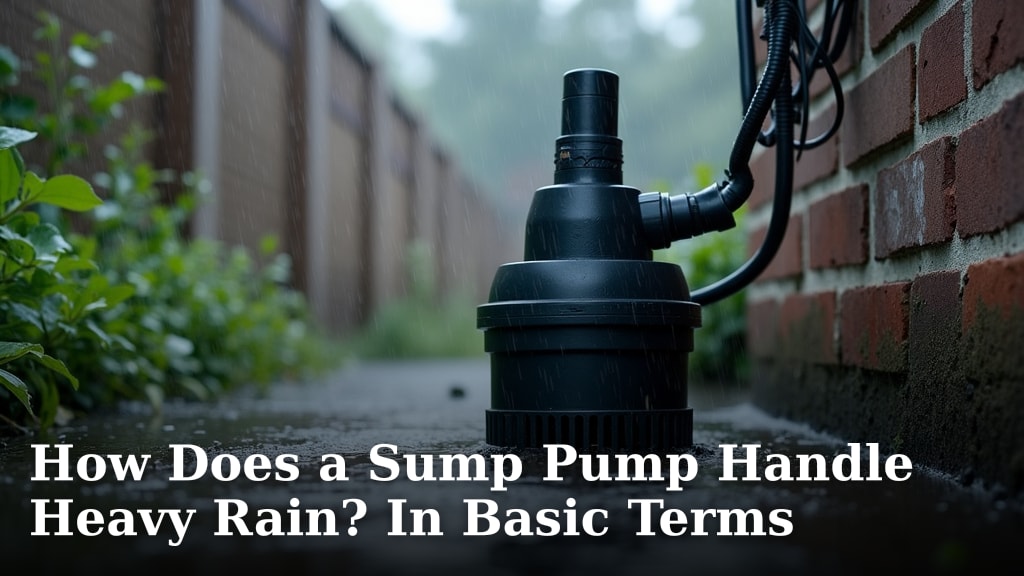
A sump pump handles heavy rain by automatically removing water that collects around your home’s foundation. When rainwater seeps into the soil, it can create hydrostatic pressure. Your sump pump detects this rising water and pumps it away from your house to prevent flooding. It acts like a dedicated firefighter for your basement.
When storm clouds gather, your sump pump is your first line of defense against a wet basement. It’s a vital system designed to keep your home’s lowest levels dry during intense downpours. Many homeowners don’t realize how hard their sump pump works until it’s truly needed. We’ve found that keeping it in good working order is key to peace of mind.
- Sump pumps collect and remove excess water.
- They prevent basement flooding caused by heavy rain.
- A float switch activates the pump when water rises.
- The pump discharges water safely away from your home.
Let’s walk through exactly how this works step by step to keep your basement dry when the skies open up.
How Your Sump Pump Tackles Big Storms
When heavy rain is on the way, your sump pump is your basement’s best friend. It’s designed to keep water out. This little machine is more important than you might think. We found that understanding its job makes you appreciate it more. Let’s break down how it works when the rain really starts pouring.
Understanding Basement Water Pressure
Rainwater soaks into the ground around your home. This water can build up. It creates something called hydrostatic pressure. Think of it like water pushing against a dam. This pressure can force water through tiny cracks in your foundation walls and floor. Even small amounts of water can lead to dampness. Large amounts can cause significant flooding.
The Role of Soil Saturation
When it rains heavily, the soil around your house gets completely soaked. It can’t absorb any more water. This is when the soil becomes saturated. All the extra water has nowhere to go but down. It collects around your foundation. This creates that powerful hydrostatic pressure we talked about.
Foundation Cracks and Entry Points
No foundation is perfectly waterproof. Tiny cracks are almost always present. These can be from the house settling or from the concrete curing. During heavy rain, hydrostatic pressure pushes water into these small openings. It might start as a small damp spot. Over time, it can become a steady drip or even a flow.
The Sump Pump’s Collection System
Your sump pump doesn’t just magically appear when water is there. It’s part of a system. This system is designed to catch the water before it gets too high. We found that understanding the collection pit is key to understanding the pump.
The Sump Pit: A Water Catcher
At the lowest point of your basement or crawl space, you’ll find the sump pit. This is a hole dug into the floor. It’s usually lined with gravel or a liner. Its job is to collect any water that seeps in. Water flows into the pit from drains or porous areas of the foundation. It’s like a small, dedicated drain for your whole foundation.
How Water Reaches the Pit
Several things help water get to your sump pit. Drain tiles, also called weeping tiles, are often installed around your foundation’s exterior. These perforated pipes collect water and direct it towards the sump pit. Sometimes, gravity or a separate drainage system can also guide water into the pit. The goal is always to channel water away from your living space.
The Sump Pump’s Activation Process
The sump pump itself doesn’t run all the time. It only turns on when it needs to. This is thanks to a clever little device called a float switch. We found that this switch is the brains of the operation.
Meet the Float Switch
The float switch is attached to your sump pump. It works much like the float in a toilet tank. As water fills the sump pit, it rises. The float rises with the water level. When the water reaches a certain height, the float lifts. This action triggers a switch.
Rising Water, Rising Float
Imagine a little ball or a tethered mechanism. As water fills the pit, it lifts this component. The higher the water gets, the higher the float rises. It’s a simple but effective way to sense the water level.
Switching On the Power
Once the float reaches its highest point, it activates the pump. This completes an electrical circuit. The pump motor receives power and starts to spin. It’s designed to activate when the water is high enough to pose a risk.
The Pump in Action: Drawing Water
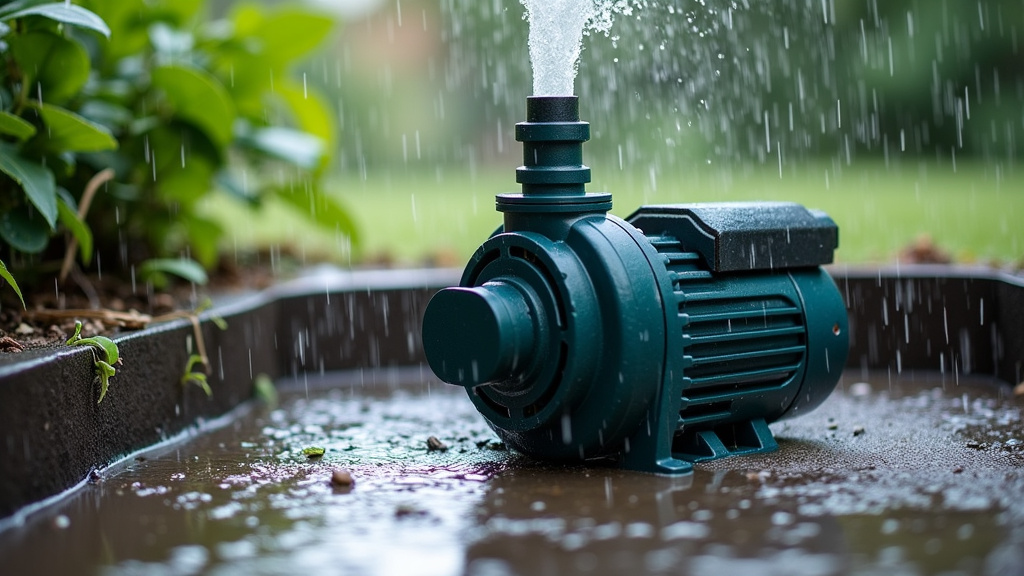
Once activated, the sump pump gets to work. It has an impeller, which is like a fan. This impeller spins rapidly. It draws water up from the pit through an intake. The pump then pushes this water out through a discharge pipe.
Discharging the Water Safely
Getting water out of the pit is only half the job. The other half is making sure it goes somewhere safe. Nobody wants their sump pump just spraying water back towards their house!
The Discharge Pipe’s Journey
The pumped water travels through a pipe. This discharge pipe leads away from your home. It’s typically routed above ground or buried. The key is that it directs water far enough away from your foundation. This prevents it from just seeping back into the soil around your house.
Where Does the Water Go?
Discharge locations vary. Many homes have the pipe directed to a storm drain. Others might send it to a ditch or a lower part of the yard. Some areas have regulations about where this water can go. It’s important to ensure it doesn’t cause problems for neighbors or create new drainage issues.
Preventing Backflow: The Check Valve
Most sump pump systems have a check valve. This is a simple device that only allows water to flow in one direction. Once the pump stops running, the check valve closes. It prevents water from flowing back down the discharge pipe into the sump pit. This keeps the pit empty and ready for the next cycle. We found that this prevents the pump from constantly cycling on and off.
What Happens When the Water Level Drops?
Just as the float switch turns the pump on, it also turns it off. When the pump has removed enough water, the water level in the pit goes down. The float begins to sink with the water. As it reaches its lowest point, it releases the switch. The electrical circuit breaks, and the pump motor stops.
Returning to Standby Mode
Once the pump shuts off, the system returns to its standby state. The check valve holds the water in the discharge pipe. The sump pit is now empty, or nearly empty. The float is resting at its low position. The sump pump waits patiently. It’s ready to activate again if the water level starts to rise once more.
Sump Pumps and Extreme Weather
During heavy rain, the sump pump might cycle on and off many times. The more rain there is, the more frequently it will work. This can be a lot of work for the pump. We found that regular maintenance is crucial for these times. Learn how long a sump pump should cycle on and off during heavy rain.
Dealing with Overwhelmed Systems
Sometimes, the rain can be so intense that the sump pump can’t keep up. Water might rise faster than the pump can remove it. This is when a backup system becomes very important. Many homeowners opt for a battery backup or a water-powered backup pump.
The Importance of Maintenance
To handle heavy rain, your sump pump needs to be in good working order. Debris can clog the pit or the pump impeller. The float switch can get stuck. We found that annual checks are recommended by many professionals. This ensures your pump is ready when you need it most.
Checklist for Sump Pump Readiness
Here’s a quick list to ensure your pump is ready for the next downpour:
- Clear the sump pit of any debris.
- Test the float switch to ensure it moves freely.
- Pour a bucket of water into the pit to see if the pump activates and discharges.
- Check the discharge pipe for blockages.
- Ensure the check valve is working properly.
- Test your battery backup system if you have one.
Conclusion
Your sump pump is your basement’s guardian against heavy rain. It works by collecting water in a pit, then using a float switch to activate the pump when water levels rise. This pump then discharges the water safely away from your home. We found that understanding this simple system gives you confidence during storms. To ensure your home stays dry, we recommend performing a simple maintenance check at least once a year. This preparation can save you a lot of worry and potential water damage.
Frequently Asked Questions
How often should my sump pump run during heavy rain?
During heavy rain, your sump pump might cycle on and off frequently. This is normal if the water is rising quickly around your foundation. We’ve found that if it’s running almost constantly, it might indicate a system that’s struggling to keep up or a potential issue that needs checking.
What can cause my sump pump to stop working during a storm?
Several things can cause your sump pump to fail. Debris can clog the pump or the sump pit, preventing it from operating. A power outage will also stop a standard pump. We recommend testing your float switch and ensuring your discharge line is clear before a storm hits.
Is a battery backup sump pump necessary?
A battery backup sump pump is highly recommended, especially if you live in an area prone to power outages during storms. Heavy rain often coincides with thunderstorms that can knock out power. We found that this backup system provides essential protection when your primary pump loses electricity.
Can my sump pump discharge water too close to my house?
Yes, a discharge pipe that directs water too close to your foundation can cause problems. If the water flows back towards your house, it can seep into the soil and create hydrostatic pressure again. We advise checking that your discharge pipe carries water at least 10-20 feet away from your home.
How do I know if my sump pump is old and needs replacing?
Sump pumps typically last between 10 to 15 years, though this can vary. If your pump is nearing that age, or if you’ve noticed it running more often than usual, making strange noises, or failing to cycle on when needed, it might be time for a replacement. We suggest consulting a professional if you suspect your pump is nearing the end of its lifespan.