How Does a Sump Pump Motor Work? What You Should Know
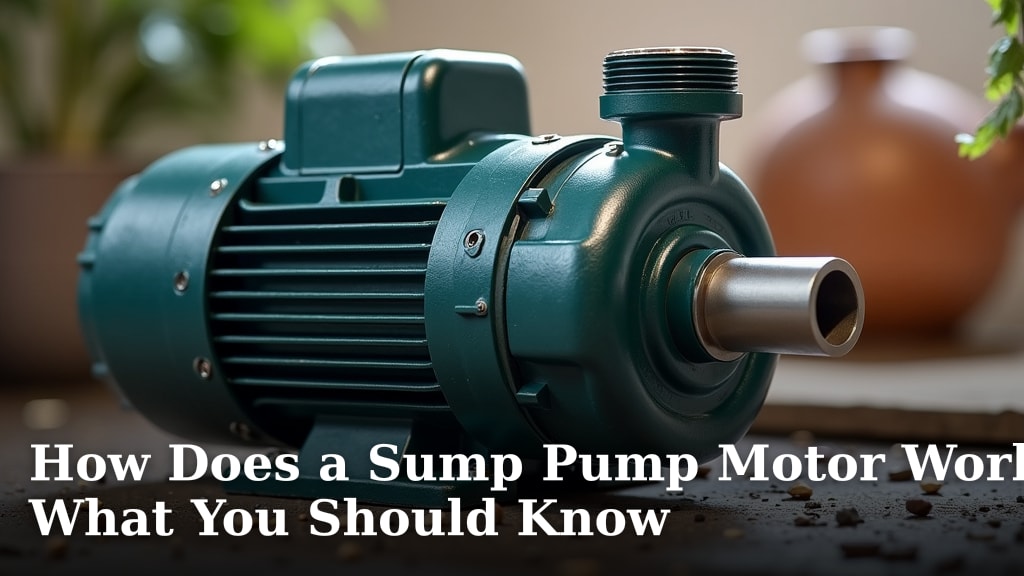
A sump pump motor works by using electricity to turn an impeller, which then pushes water out of your home. When the water level in your sump pit reaches a certain point, a float switch activates the motor. This simple yet effective process helps prevent basement flooding and keeps your home dry.
Understanding how this essential device operates can save you from costly water damage. Many homeowners aren’t aware of the internal workings, but knowing the basics can help you spot potential issues. It’s all about a clever combination of electricity and water displacement, managed by a straightforward float mechanism.
- Sump pump motors use electricity to pump water.
- A float switch turns the motor on when water rises.
- This prevents water from backing up into your basement.
- Knowing how it works helps with basic maintenance.
Let’s walk through exactly how your sump pump motor gets the job done, step by step.
Understanding Your Sump Pump Motor’s Mechanics
So, you’ve got a sump pump keeping your basement dry. But have you ever stopped to wonder how it actually works? It’s a pretty clever device, actually. At its heart is the motor, the engine that makes the whole system run. We’re going to break down the magic behind that motor, so you know exactly what’s happening when water starts to rise.
Think of your sump pump motor like a tiny, powerful engine. It doesn’t look like much, but it’s designed to handle a very specific, important job: moving water. It needs to be reliable because it’s your first line of defense against basement flooding. We’ve found that understanding the basics can help you feel more confident about its performance.
The Electrical Heartbeat: Powering the Pump
Every sump pump needs electricity to do its job. Your motor draws power from a dedicated outlet, usually found in or near your sump pit. This electricity is the fuel that gets the motor spinning. It’s a straightforward electrical connection, but safety is key here. We always recommend using a GFCI-protected outlet for any electrical device near water.
How Electricity Makes Things Move
Inside the motor, electricity creates a magnetic field. This magnetic field interacts with other parts of the motor, causing a central shaft to rotate. It’s similar to how magnets can push and pull each other. This rotating shaft is the key to turning water into motion. Many experts say this electromagnetic principle is fundamental to how electric motors operate efficiently (Institute of Electrical and Electronics Engineers).
The Role of the Impeller
Attached to that spinning shaft is a part called the impeller. The impeller looks a bit like a propeller or a series of blades. As the motor spins the shaft, the impeller spins too. It’s designed with specific curves and channels. When the impeller spins rapidly in the water-filled sump pit, it creates centrifugal force. This force shoots the water outwards, away from the pump and out of your home through the discharge pipe.
Understanding Motor Types
Most residential sump pumps use a submersible motor. This means the entire motor unit is designed to be placed directly in the water inside the sump pit. They are often quieter and run cooler because the water itself helps dissipate heat. Another type is the pedestal motor, where the motor sits above the pit and is connected to the pump via a long shaft. We find submersible pumps are more common in modern homes for their efficiency and longevity.
When the Power is On: The Float Switch
The motor doesn’t run all the time. It only needs to work when there’s water to pump. This is where the float switch comes in. You’ve probably seen it – it looks like a small float ball attached to a wire. Think of it as the sump pump’s on/off switch, controlled by water levels. We’ve seen many homeowners overlook this simple component, but it’s vital for automatic operation.
How the Float Switch Activates the Motor
As water enters the sump pit, it rises. When the water level reaches a certain point, it lifts the float. This upward movement pulls on the attached wire. This action closes an electrical circuit, sending power to the motor. The motor then springs to life, spinning the impeller and pumping water out. It’s a simple, mechanical trigger that starts a powerful process. Many plumbers emphasize the importance of ensuring the float has clear, unobstructed movement.
When the Water Recedes
Once the pump has done its job and the water level in the pit drops, the float also drops. As it lowers, it opens the electrical circuit again. This cuts power to the motor, and it shuts off. This cycle repeats automatically, so you don’t have to do anything. The float switch ensures the motor only runs when necessary, saving energy and reducing wear and tear.
The Motor’s Job: More Than Just Spinning
The sump pump motor isn’t just a simple spinning gadget. It’s engineered to handle the tough conditions of a sump pit. This means it needs to be water-resistant and durable. The motor housing protects the delicate electrical components from moisture and corrosion, which is essential for a device operating in a damp environment. We’ve found that quality materials make a big difference in a motor’s lifespan.
Durability and Longevity
Manufacturers use robust materials to build these motors. Cast iron or heavy-duty plastic housings are common. This tough construction helps them withstand the constant presence of water and debris. A well-built motor can last for many years, quietly doing its job. Regular maintenance, like keeping the pit clean, can extend its life even further. Many plumbing associations recommend annual checks of the system (National Association of Plumbing-Heating-Cooling Contractors).
Heat Management
Running a motor can generate heat. Since submersible motors are underwater, the water acts as a natural coolant. This helps prevent the motor from overheating, which could cause it to fail. Pedestal motors, being out of the water, often have cooling vents. It’s important to ensure these vents aren’t blocked. We’ve seen cases where debris or storage materials can impede airflow, leading to motor strain.
What Happens When Things Go Wrong?
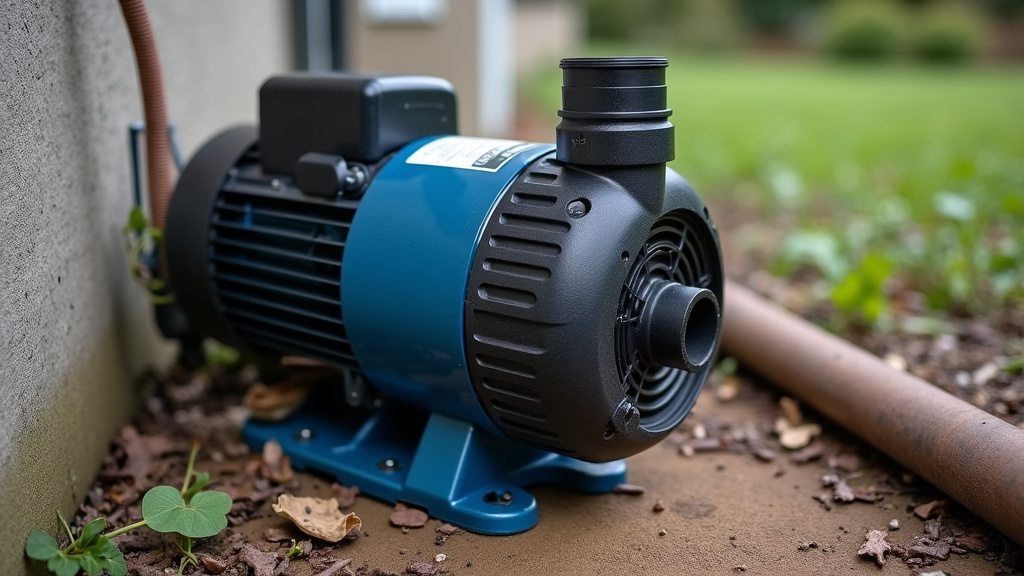
While sump pump motors are built to last, they can eventually fail. Sometimes, a motor might hum but not pump water. This could indicate a problem with the impeller being blocked or the motor shaft being damaged. Other times, the motor might not turn on at all. This often points to an issue with the electrical connection or the float switch.
Common Motor Issues to Watch For
One common issue is a seized motor. This can happen if the pump hasn’t run for a long time and components corrode or get stuck. You might hear a humming sound, but the impeller won’t spin. Another problem is a worn-out motor seal, which can allow water to enter the motor housing. This is a serious issue that requires immediate attention. We advise checking your pump periodically to ensure it’s running smoothly.
When to Call a Professional
If you suspect a problem with your sump pump motor, it’s often best to call a qualified technician. Electrical components and water don’t mix well for DIY repairs. A professional can diagnose the issue safely and efficiently. They can determine if the motor needs cleaning, repair, or replacement. For many homeowners, peace of mind is well worth the cost of a professional assessment. We found that most manufacturer warranties are voided by unauthorized repairs.
Quick Sump Pump Motor Checklist
Here’s a quick rundown of things to keep in mind about your sump pump motor:
- The motor uses electricity to spin an impeller.
- The impeller is what actually pushes water out of your home.
- A float switch tells the motor when to turn on and off based on water level.
- Submersible motors are designed to be placed in the water for cooling.
- Regular checks can help catch potential motor problems early.
- If you suspect a motor issue, it’s usually best to call a professional.
Conclusion
You now understand the core mechanics of your sump pump motor. It’s an electrical engine that uses a spinning impeller to displace water, all controlled by a water-level-sensitive float switch. This system is your basement’s best defense against flooding. By understanding how these parts work together, you can better appreciate your pump’s reliability and spot potential issues early. Remember, a clean sump pit and periodic checks are key to longevity. If you ever notice unusual sounds or performance, don’t hesitate to call a qualified professional for a safe and accurate diagnosis.
Frequently Asked Questions
How do I know if my sump pump motor is failing?
You might hear humming sounds without any water being pumped, or the motor might not turn on at all. Another sign can be unusual noises or a pump that runs constantly. Checking the float switch for obstructions is a good first step.
Can I fix a sump pump motor myself?
Generally, it’s best to avoid DIY motor repairs, especially involving electrical components. Water and electricity are a dangerous combination. Manufacturer warranties are often voided by unauthorized repairs.
What is the lifespan of a typical sump pump motor?
With proper maintenance and a clean sump pit, a sump pump motor can last anywhere from 5 to 15 years. Quality of the motor and how frequently it operates will also affect its lifespan.
Why does my sump pump motor keep running?
If your motor runs continuously, it could be a problem with the float switch sticking in the ‘on’ position, or the pump isn’t removing water effectively. Check for blockages in the discharge pipe and ensure the float has room to move freely.
What’s the difference between a submersible and a pedestal sump pump motor?
A submersible motor is housed within the pump and sits directly in the water, which helps with cooling and noise reduction. A pedestal motor sits above the pit, connected by a shaft, and is often used in smaller sumps.