How Long Do Submersible Sump Pumps Last?
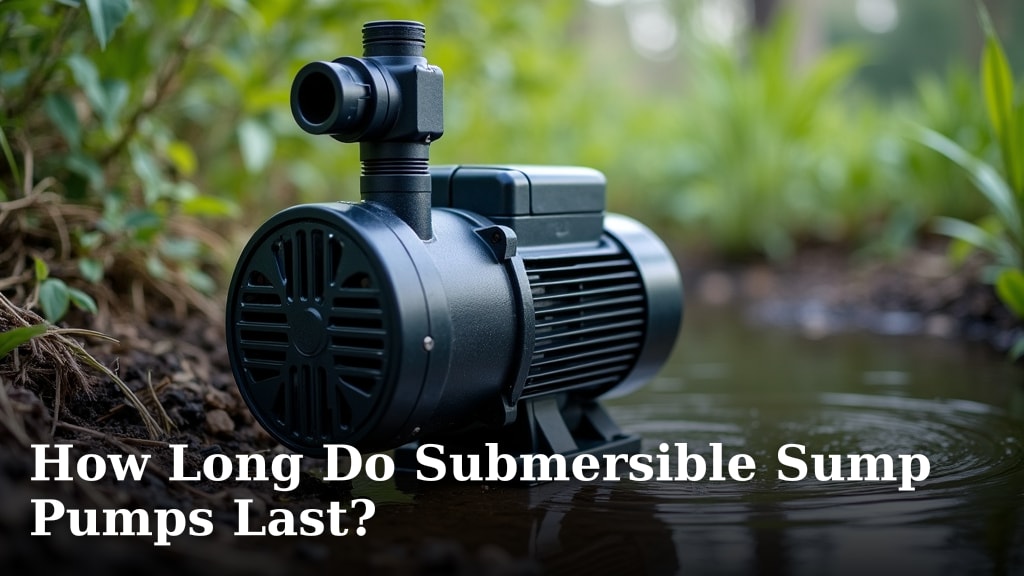
You’re probably wondering: how long do submersible sump pumps last? Most submersible sump pumps have a lifespan of around 10 to 15 years. This average can vary based on the pump’s quality and how often it runs. A well-maintained pump in a drier climate might last even longer.
Your sump pump works hard, especially during heavy rains. Understanding its lifespan helps you plan for replacements. We found that frequent cycling and harsh water conditions can shorten a pump’s life. Regular check-ups are key to maximizing its durability.
- Submersible sump pumps typically last 10-15 years.
- Pump quality and usage frequency affect lifespan.
- Heavy use or poor water quality can shorten pump life.
- Regular maintenance helps extend your pump’s service.
Let’s walk through the factors that influence your submersible sump pump’s lifespan and what you can do to get the most out of it.
Your submersible sump pump is a real workhorse. It’s tucked away, mostly out of sight, but it’s constantly on guard. So, how long can you expect this silent guardian to protect your home from water damage? We’ve found that the average submersible sump pump can last anywhere from 10 to 15 years.
This isn’t a hard and fast rule, though. Many things can affect this number. Think of it like a car engine; how well you maintain it and how much you drive it makes a big difference. We’ve seen pumps that last a little less and some that go well beyond that 15-year mark. Understanding these factors helps you prepare for its eventual replacement.
Understanding Your Submersible Sump Pump’s Lifespan
The lifespan of your submersible sump pump is really about its durability and how it’s used. These pumps are designed to handle a lot, but they aren’t invincible. We found that the quality of the pump itself plays a huge role. A higher-quality pump, built with better materials, will generally outlast a cheaper model.
It’s also about the environment it operates in. Your basement’s moisture levels and the type of water it’s pumping matter. We’ve observed that pumps dealing with sandy or gritty water tend to wear out faster. Imagine sand in a delicate machine; it causes friction and damage over time.
Factors That Influence Pump Longevity
Several key elements determine how long your sump pump will keep working effectively. We’ve identified the most common influences that can either extend or shorten its service life.
Pump Quality and Construction
Not all sump pumps are created equal. We’ve found that pumps made with cast iron or stainless steel are generally more robust than those made with plastic. These materials resist corrosion and physical damage better. A heavier pump often means sturdier construction.
The motor inside is also a big deal. Pumps with hermetically sealed motors are designed to operate reliably underwater for extended periods. We’ve seen that higher-quality motors can handle more frequent starts and stops without overheating or burning out prematurely.
Water Quality and Sump Pit Conditions
The water in your sump pit isn’t always just plain water. We’ve observed that sediment, sand, silt, and even small stones can be pumped. These abrasive particles can wear down the pump’s impeller and seals. This is similar to how grit can damage a faucet over time.
The pH level of the water can also play a part. Highly acidic or alkaline water can corrode metal parts. While less common, we found that in certain geological areas, this can be a factor that accelerates wear.
Frequency of Operation (Cycling)
How often your sump pump has to turn on and off is a major factor. We’ve found that pumps that run frequently, or cycle on and off many times a day, experience more wear and tear. Each cycle puts a strain on the motor and pump components.
Think of it like a light switch. If you flip a switch thousands of times a day, it will eventually wear out faster than one that’s only used occasionally. We’ve seen that homes in areas with high water tables or frequent heavy rainfall will naturally cause their pumps to work harder.
Installation and Maintenance Practices
A proper installation is more important than many people realize. We’ve found that a pump installed at an angle or with a blocked discharge pipe can struggle. This struggle means it works harder and potentially overheats.
Regular maintenance, even for a submersible pump, is key. We recommend checking the sump pit for debris and ensuring the float switch moves freely. A little bit of attention can prevent major problems down the line.
Signs Your Sump Pump Might Be Nearing the End of Its Life
Your sump pump won’t send you a birthday card when it’s about to retire. Instead, you might notice some warning signs. We’ve compiled a list of common indicators that your pump is getting old or is starting to fail.
Unusual Noises
Grinding, rattling, or buzzing sounds are never good. We’ve found that these noises often mean there’s a mechanical issue. It could be a worn-out bearing or something caught in the impeller. It’s best to investigate these sounds promptly.
Intermittent Operation or Failure to Turn On
If your pump isn’t turning on when it should, or it’s cycling on and off erratically, that’s a red flag. We’ve seen that this can be due to a failing motor, a faulty float switch, or electrical issues. You don’t want to wait until the next big storm to discover it’s not working.
Water Accumulation or Basement Flooding
The most obvious sign is, of course, if you start seeing water in your basement. If your pump isn’t keeping up with the water, or if it fails completely, that’s a clear indication of a problem. We’ve found that this is the one sign homeowners can’t ignore.
Increased Energy Bills
An older or failing pump might have to work much harder to do its job. We’ve observed that this increased effort can translate to higher electricity usage. While it might be a small increase, a consistently higher bill could point to a pump that’s struggling.
Maximizing Your Submersible Sump Pump’s Service Life
While you can’t stop time, you can certainly help your submersible sump pump last as long as possible. We’ve found that a few simple steps can make a real difference in its longevity and reliability.
Regular Cleaning and Inspection
Even though it’s submersible, your pump needs a little care. We recommend checking the sump pit at least once a year. Remove any leaves, dirt, or debris that might have accumulated. This prevents the pump from getting clogged.
Make sure the float switch isn’t obstructed. We’ve found that even a small piece of debris can prevent the switch from activating properly. A clean pit ensures the pump can do its job without hindrance.
Professional Maintenance and Testing
Consider having a professional inspect your pump every few years. They can check for wear and tear on seals, impeller, and motor. Many plumbers offer sump pump maintenance packages. We’ve found that a professional can spot potential problems before they become costly failures.
Testing the pump is also important. You can do this by carefully pouring water into the pit to simulate rain. Watch to see if the pump turns on, pumps the water out, and shuts off correctly. We found this simple test helps confirm it’s working as it should.
Consider a Backup System
While not directly extending the life of your primary pump, a backup system A backup system can protect your home if the primary pump fails, as detailed in our guide on needing a sump pump. protects you if the main pump fails. This could be a battery-powered sump pump or a water-powered one. We’ve seen that during extended power outages, these backups are incredibly important.
Having a backup provides peace of mind. It ensures your basement stays dry even if your main submersible pump gives out. This is especially relevant in areas prone to power outages during storms, which is often when you need your sump pump most.
Know When to Replace
Sometimes, the best way to ensure protection is to know when a replacement is due. If your pump is approaching or has passed its average lifespan, start budgeting for a new one. We’ve found that proactive replacement is often cheaper than dealing with flood damage.
Don’t wait for a breakdown. If you’re noticing more frequent issues or hearing strange noises, it might be time to start shopping. We recommend researching new pumps and considering models with good warranties and positive reviews.
Here’s a quick checklist to help you keep your submersible sump pump in good shape:
- Check the sump pit for debris monthly.
- Clear out any collected leaves or sediment.
- Ensure the float switch moves freely.
- Test the pump by adding water to the pit annually.
- Listen for unusual noises during operation.
- Note any changes in pumping frequency or effectiveness.
Conclusion
You’ve learned that submersible sump pumps typically last 10 to 15 years. This lifespan depends heavily on pump quality, the water conditions it faces, and how frequently it operates. Regular maintenance, like cleaning the pit and testing the float switch, can significantly extend your pump’s service life and prevent unexpected failures.
Don’t wait for signs of trouble. If your pump is approaching this age range or showing any concerning symptoms, it’s wise to start planning for a replacement. Knowing these factors helps you protect your home effectively and avoid costly water damage.
Frequently Asked Questions
How often should I test my submersible sump pump?
We recommend testing your sump pump at least once a year. You can do this by pouring water into the sump pit to simulate rainfall. Watch to ensure the pump turns on, removes the water, and shuts off properly. This simple check helps catch issues early.
Can the type of water affect how long my sump pump lasts?
Yes, the water quality matters. We’ve found that pumps dealing with sandy or gritty water can wear out faster due to abrasive particles damaging internal parts. Water with extreme pH levels can also cause corrosion over time. Keeping your sump pit clean helps minimize these issues.
Is a battery backup system necessary if my submersible pump is new?
A battery backup system is a good idea regardless of your primary pump’s age. We’ve seen that power outages often happen during storms, exactly when your sump pump is needed most. A backup ensures your basement stays dry even if the main pump loses power.
What’s the biggest difference between a high-quality and a low-quality sump pump?
We’ve found that higher-quality pumps are typically built with more durable materials like cast iron or stainless steel, and feature robust, hermetically sealed motors. These components are designed to withstand more frequent use and harsh conditions, leading to a longer operational life compared to cheaper plastic models.
When should I consider replacing my sump pump proactively?
It’s smart to think about replacement when your pump is approaching or has passed the 10-year mark. If you’ve noticed any signs of wear, like unusual noises or inconsistent operation, start budgeting for a new unit. Proactive replacement can prevent catastrophic failure and flood damage.