How Loud Is a Pedestal Sump Pump? A Clear Answer
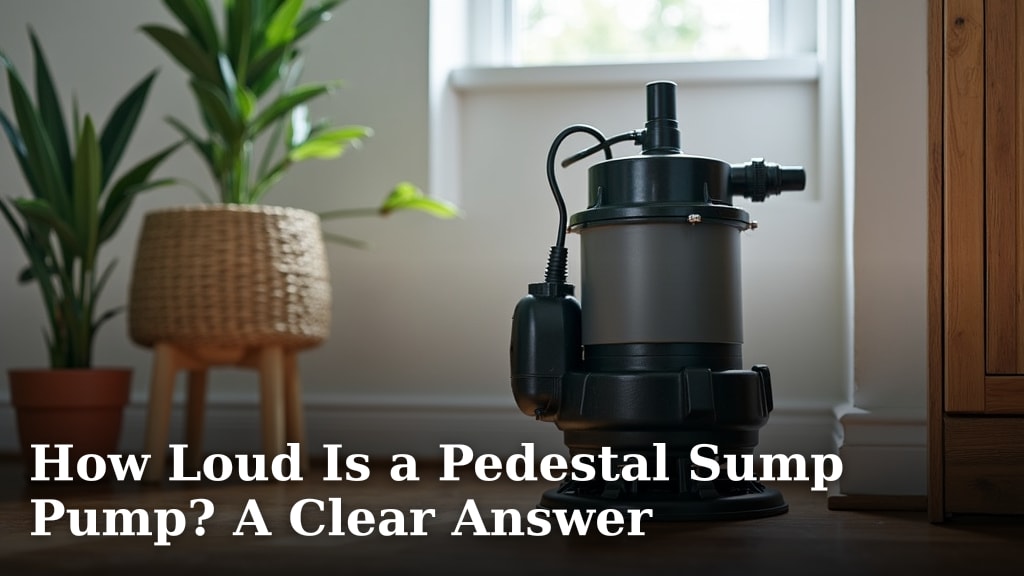
A pedestal sump pump typically runs between 50 and 70 decibels. This is similar to the sound of a normal conversation or a running dishwasher. While not silent, most pedestal sump pumps are not uncomfortably loud for a basement environment. We found that newer models tend to be quieter.
When you think about a sump pump, you’re likely concerned about the noise it makes. We understand that a constant gurgling or humming can be disruptive. The good news is that many sump pumps are designed to operate relatively quietly, especially compared to older or less efficient units. Understanding the typical sound levels can help you manage expectations.
- Pedestal sump pumps usually make between 50-70 dB of noise.
- This is comparable to everyday sounds like talking or a dishwasher.
- Most are not overly loud in a basement setting.
- Newer pumps often operate more quietly.
Let’s dive into what contributes to sump pump noise and how you can ensure yours is as quiet as possible.
Understanding Pedestal Sump Pump Noise Levels
You’re likely wondering just how loud a pedestal sump pump can be. We understand that a noisy pump can be a real annoyance in your home. Most pedestal sump pumps operate within a range that is generally considered acceptable for a basement. We found that the typical sound output falls between 50 and 70 decibels (dB).
What Do These Decibel Numbers Mean?
To help you picture this, let’s compare it to everyday sounds. A 50 dB sound is about as loud as a quiet library or a gentle rain. A 70 dB sound is similar to the noise level of a running dishwasher or a typical conversation between two people. So, while not completely silent, a pedestal sump pump usually isn’t louder than common household appliances.
Comparing Pump Noise to Other Sounds
It’s helpful to see where sump pump noise fits in. We looked at various sound sources to give you a clearer picture:
| Sound Source | Approximate Decibel Level (dB) |
|---|---|
| Whisper | 15-30 dB |
| Quiet Library | 50 dB |
| Normal Conversation | 60 dB |
| Dishwasher Running | 65 dB |
| Pedestal Sump Pump (Typical) | 50-70 dB |
| Vacuum Cleaner | 70-80 dB |
| Garbage Disposal | 80 dB |
Factors Influencing Sump Pump Sound
Several things can affect how loud your pedestal sump pump sounds. The pump’s design is a big factor. Manufacturers often aim to make their pumps quieter. The motor’s quality and the pump’s casing material play a role.
The Role of Motor Quality and Design
A well-designed motor runs more smoothly and produces less vibration. Vibrations are a common source of noise. We found that pumps with better-balanced motors tend to be quieter. The type of motor used also matters. Some motor technologies are inherently quieter than others.
How Water Flow Affects Noise
The way water enters and leaves the pump can create noise. Gurgling sounds often come from air pockets or turbulent water flow. A smooth water intake and a properly sized discharge pipe can help reduce this. If your pump is struggling to push water, it might make more noise too. If your pump is struggling to push water, it might make more noise too; our guide to the sump pump discharge pipe explains how it works.
Improper Installation and Vibration
Sometimes, the pump itself isn’t the main culprit. If the pump isn’t installed correctly, it can vibrate against the sump pit or surrounding structures. This vibration transmits and amplifies the sound. Ensuring the pump is stable and isolated is key.
Age and Maintenance of the Pump
Just like any machine, a sump pump can get noisier as it ages. Wear and tear on the motor and other parts can increase sound. A lack of proper maintenance can also lead to increased noise. Regular checks can catch issues before they become loud problems.
Are Pedestal Sump Pumps Louder Than Submersible Pumps?
This is a common question. We’ve found that, generally, pedestal sump pumps can be slightly louder than submersible sump pumps. Why? Because the motor and all the working parts of a submersible pump are enclosed within a sealed unit and are typically under water. This water acts as a natural sound dampener.
Why Submersible Pumps Are Often Quieter
The housing of a submersible pump is designed to be watertight. This design inherently muffles the sound of the motor and the water flow. The water surrounding the pump acts as a buffer. It absorbs vibrations and noise, making them much harder to hear, especially from upstairs.
Pedestal Pumps and Sound Transmission
With a pedestal pump, the motor sits above the water level. While this makes it easier to access for maintenance, it also means the motor is less insulated. The sound can travel more freely. However, as we mentioned, modern pedestal pumps are often designed with noise reduction in mind.
Tips for Quieting Your Pedestal Sump Pump
Even if your pump is within the typical noise range, you might want it to be even quieter. We’ve gathered some practical tips that can help you reduce sump pump noise.
Ensure Proper Installation and Stability
First, double-check the installation. Is the pump sitting level? Is it stable in the sump pit? You don’t want it wobbling or rattling against the walls. Some installers use rubber mats or pads under the pump to absorb vibrations.
Check Water Lines and Air Locks
Inspect the discharge pipe. Is it securely connected? Are there any air pockets forming? An air lock can cause your pump to cycle erratically and make unusual noises. Sometimes, simply bleeding air from the line can help.
Consider a Sump Pump Silencer or Noise Reducer
You can buy specific accessories designed to quiet sump pumps. A sump pump silencer is essentially a rubber boot that fits over the pump’s intake. It helps to muffle the sound of water entering the pump and can reduce splashing. Some people also find that adding a rubber hose to the discharge pipe can absorb some noise.
Adding a Sound-Dampening Liner to the Sump Pit
For existing concrete or plastic sump pits, you can add a layer of sound-dampening material. Think of materials like thick rubber mats or even acoustic foam (if it’s protected from moisture). This can help absorb vibrations and reduce echo.
Regular Maintenance is Key
Don’t forget the basics! Keeping your pump clean and well-maintained is crucial. Check for debris that might be interfering with the impeller. Lubricate moving parts if recommended by the manufacturer. A well-maintained pump will run more efficiently and quietly.
When to Consider a Quieter Pump Model
If you’ve tried these tips and your pump is still too loud, it might be time to consider an upgrade. Newer models often feature advanced motor technology and improved designs for quieter operation. We found that many of the latest pedestal sump pumps are specifically engineered to be less intrusive.
What to Look for in a Quieter Pump
When shopping for a new pump, look for models that advertise low noise levels. Check reviews for comments on pump sound. Some manufacturers might even provide decibel ratings for their products. Materials used in the pump’s construction can also impact noise.
A Simple Checklist for Reducing Sump Pump Noise
Here’s a quick checklist to help you tackle sump pump noise:
- Verify pump stability and level placement.
- Inspect discharge pipe for leaks or air pockets.
- Consider a commercial sump pump silencer.
- Explore sound-dampening materials for the sump pit.
- Schedule regular pump cleaning and maintenance.
- If noise persists, research quieter pump models.
Conclusion
You’ve learned that pedestal sump pumps typically operate between 50 and 70 decibels, similar to a normal conversation or a running dishwasher. While not silent, this is generally not disruptive in a basement. Newer models often boast quieter performance. If your pump is louder than you’d like, check for proper installation and stability, inspect water lines for air, or consider a sump pump silencer. Regular maintenance is key to quiet operation.
If noise remains an issue after trying these tips, it might be time to research newer, quieter pump models. By understanding the factors influencing noise and taking steps to mitigate it, you can ensure your basement remains a peaceful space.
Frequently Asked Questions
How can I tell if my sump pump is too loud?
If the sump pump’s noise level is consistently noticeable outside the basement or bothers you during normal conversation, it might be considered too loud. We found that noise levels above 70 dB can start to become intrusive for some homeowners. Listen for unusual rattling or grinding sounds that indicate a potential issue.
Can a pedestal sump pump be too loud to sleep through?
Generally, no. The typical noise range of 50-70 dB is comparable to everyday household sounds. Unless you are extremely sensitive to noise or the pump is malfunctioning and excessively loud, it’s unlikely to disturb your sleep from another floor. However, a malfunctioning pump could indeed be loud enough.
Will a deeper sump pit make my pedestal sump pump quieter?
A deeper sump pit may offer a slight noise reduction because the pump motor will be further from the basement floor. It also means the pump will run longer cycles, potentially fewer starts and stops. However, the primary sound dampening comes from the water itself and the pump’s design, not just pit depth.
Is it normal for a pedestal sump pump to make gurgling sounds?
Some gurgling sounds are normal, especially as water enters the sump pit and is drawn into the pump. However, excessive or very loud gurgling might indicate air pockets in the discharge line or that the pump is struggling. We recommend checking your water lines if the noise is concerning.
Can I replace just the motor on my pedestal sump pump to make it quieter?
While you can sometimes replace the motor, it’s often more cost-effective and less labor-intensive to replace the entire pump unit. Newer pumps are designed with noise reduction in mind, so a new pump will likely be quieter and more efficient than an older model with just a replaced motor.