What Is a Cast Iron Sump Pump? The Plain Answer
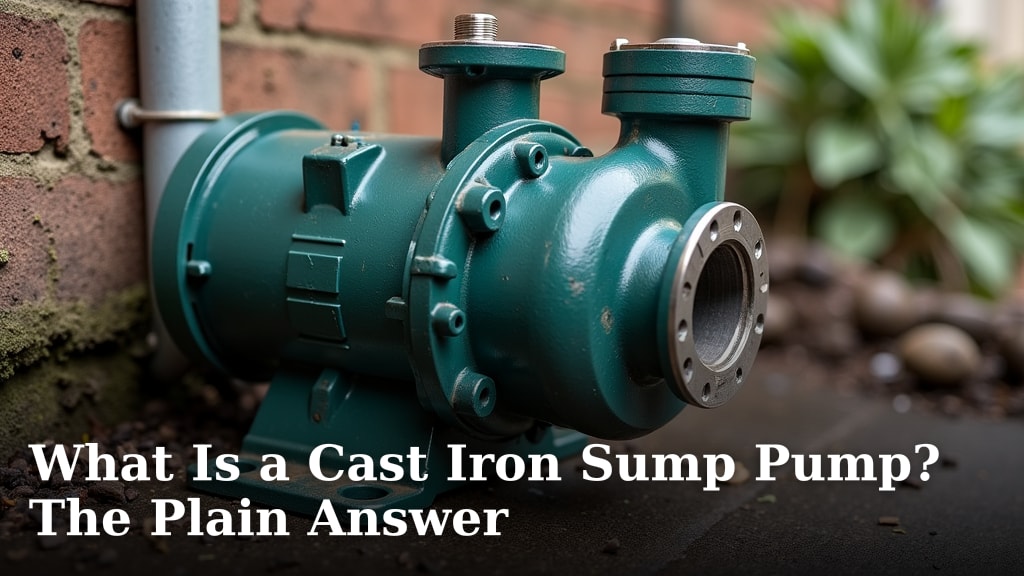
A cast iron sump pump is a submersible pump with a motor housing made of durable cast iron. This heavy-duty construction makes it a tougher and longer-lasting option for keeping your basement dry. Many homeowners choose them for their ability to handle harsh conditions and resist wear.
Unlike pumps with plastic or lighter metal casings, cast iron offers superior strength and heat dissipation. This means your pump can run for longer periods without overheating. When water levels rise unexpectedly, a reliable pump is essential, and cast iron provides that extra peace of mind.
- A cast iron sump pump uses a tough, metal housing.
- This material makes the pump very durable.
- It’s better at handling heat than plastic pumps.
- Cast iron pumps are a long-term investment.
- They are great for basements prone to flooding.
Let’s break down exactly what makes a cast iron sump pump different and why you might want one for your home.
You’ve heard the term, but what exactly makes a cast iron sump pump stand out? It’s all about the material. Unlike pumps made with plastic or lighter metals, these are built with a tough, solid metal casing. This isn’t just for looks; it means your pump is built to last and handle more demanding jobs.
Understanding the Cast Iron Sump Pump Difference
A cast iron sump pump is a submersible pump. This means it sits down inside your sump pit, hidden away. The key feature is its motor housing, which is made from cast iron. This metal is known for its strength and durability.
Think of it like comparing a sturdy cast iron skillet to a thin tin pan. Both cook food, but one is built for serious, long-term use. The cast iron sump pump is the heavy-duty option in the world of basement waterproofing.
Why Cast Iron? The Material Matters
So, what makes cast iron such a good choice for a sump pump? It comes down to a few key properties that benefit your home.
Durability and Strength
Cast iron is incredibly strong and dense. This means it can withstand more pressure and impact than plastic or lighter metal casings. If something accidentally bumps the pump in the pit, cast iron is much less likely to crack or break.
We’ve found that pumps with robust casings tend to last longer. This is especially important for a device that works hard to protect your home from water damage. A broken pump means a flooded basement, and that’s something no one wants.
Heat Dissipation
Sump pumps can get warm when they run. A cast iron casing is excellent at drawing heat away from the motor. This is a big deal because excessive heat can shorten a pump’s lifespan and even cause it to fail prematurely.
Many experts point out that better heat management leads to improved pump performance and longevity (American Society of Mechanical Engineers). When your pump needs to run for extended periods, like during heavy rain or snowmelt, this ability to stay cooler is a real advantage.
Corrosion Resistance
Basement water isn’t always pure. It can contain minerals and other substances that can cause metal to rust or corrode over time. Cast iron, especially when treated or coated, offers good resistance to corrosion.
This is crucial for a pump that’s constantly submerged in water. You want a pump that won’t break down from rust. While no material is completely immune, cast iron holds up well in these damp conditions.
Cast Iron vs. Other Sump Pump Materials
To really understand the benefits, let’s compare cast iron to other common sump pump materials.
Cast Iron vs. Thermoplastic (Plastic)
Thermoplastic pumps are generally lighter and less expensive. They are a good option for lighter-duty applications or where budget is the primary concern. However, they are more prone to cracking under stress and can be less efficient at dissipating heat.
A plastic pump might be fine for a basement that rarely sees water. But if you have a history of flooding or live in an area with heavy rainfall, the extra durability of cast iron is often worth the investment. You’re looking for a tool that can handle the job when you need it most.
Cast Iron vs. Stainless Steel
Stainless steel pumps are also very durable and offer excellent corrosion resistance. They are often used in more industrial or high-end residential applications. Stainless steel is strong, but cast iron can sometimes offer a bit more weight and a different kind of robust feel.
The choice between cast iron and stainless steel often comes down to specific performance needs and cost. Both are excellent materials, but cast iron remains a popular and proven choice for many homeowners due to its balance of strength, heat handling, and price.
Cast Iron vs. Aluminum
Aluminum is lighter than cast iron and offers good corrosion resistance. However, it is generally not as strong or as effective at dissipating heat as cast iron. Aluminum pumps are often found in mid-range models.
For homeowners seeking the toughest, most reliable option for serious water management, cast iron usually takes the lead. It’s the material that reassures you the pump can handle whatever the weather throws your way.
| Material | Pros | Cons | Best For |
|---|---|---|---|
| Cast Iron | Very durable, strong, excellent heat dissipation, good corrosion resistance | Heavier, can be more expensive | Frequent flooding, heavy-duty use, long-term reliability |
| Thermoplastic (Plastic) | Lightweight, affordable, rust-proof | Less durable, prone to cracking, poorer heat dissipation | Occasional water, budget-conscious buyers |
| Stainless Steel | Very durable, excellent corrosion resistance, attractive finish | Can be expensive, heavier than aluminum | Harsh water conditions, high-end applications |
| Aluminum | Lightweight, good corrosion resistance, generally affordable | Less strong than cast iron, moderate heat dissipation | General use, moderate water issues |
What to Look For in a Cast Iron Sump Pump
When you’re in the market for a cast iron sump pump, a few features can help you make the best choice for your home.
Horsepower and Gallons Per Hour (GPH)
The horsepower (HP) of the pump determines its power. More horsepower usually means it can move more water more quickly. Gallons Per Hour (GPH) measures how much water the pump can move in one hour.
For most homes, a 1/3 HP to 1/2 HP pump is sufficient. However, if you have a larger basement or experience significant flooding, you might need a 3/4 HP or even a 1 HP pump. We found that matching the HP to your specific basement size and water problem is key (Home Builders Association).
Check Valve and Discharge Pipe Size
A check valve is essential. It prevents water from flowing back into the pit after the pump shuts off. This stops the pump from cycling on and off too frequently, which can cause wear and tear.
The discharge pipe size (usually 1.5 inches or 2 inches) also affects performance. A larger pipe generally allows water to flow out more easily. Ensure the discharge pipe is properly sized for your pump’s output. Learn more about the importance of the discharge pipe size for optimal performance.
Float Switch Type
The float switch tells the pump when to turn on and off. There are two main types: vertical and tethered.
- Vertical float switches are generally considered more reliable and take up less space in the sump pit.
- Tethered float switches have a float attached to a cord. They can be more prone to getting stuck.
We often recommend looking for a pump with a vertical float switch for dependable operation.
Is a Cast Iron Sump Pump Right for Your Home?
Consider these questions when deciding if a cast iron model is your best bet.
- Do you live in an area prone to heavy rain or flooding?
- Has your basement experienced water damage in the past?
- Do you want a pump that offers maximum durability and a longer lifespan?
- Are you looking for a pump that can handle continuous operation during wet spells?
- Do you prefer a heavier-duty, more robust appliance for peace of mind?
If you answered yes to most of these, a cast iron sump pump is likely a smart investment for your home’s protection.
Conclusion
You now understand what makes a cast iron sump pump a tough and reliable choice for your basement. Its durable metal casing handles heat better and resists wear longer than plastic alternatives. This makes it a smart investment, especially if you face frequent water issues or want long-term peace of mind. Choosing a cast iron pump means you’re opting for a pump built to protect your home when you need it most. So, when water threatens, consider the enduring strength of cast iron to keep your basement dry and your home safe.
Frequently Asked Questions
How long do cast iron sump pumps typically last?
With proper maintenance, a well-chosen cast iron sump pump can last 10 to 15 years, or even longer. Their robust construction is designed for longevity, outperforming lighter materials that can degrade faster in wet environments. Regular checks ensure you get the most out of your investment.
Are cast iron sump pumps noisy?
Cast iron pumps are generally quieter than lighter models because their weight helps dampen vibrations. While no pump is completely silent, the solid metal housing absorbs more sound. You might notice the sound of water being pumped, but the pump motor itself should be less obtrusive.
Can a cast iron sump pump handle debris in the water?
Yes, cast iron sump pumps are better equipped to handle small debris and sediment compared to plastic pumps. Their strong casings and impeller designs can often push through minor obstructions without immediate damage. However, frequent large debris can still cause wear over time, so keeping your sump pit clean is always recommended.
Is a cast iron sump pump overkill for a dry basement?
If your basement has never flooded and you live in a very dry climate, a high-quality thermoplastic pump might suffice. However, a cast iron pump offers superior longevity and reliability, which can be a wise preventative measure. It provides extra security and can prevent future headaches if conditions change.
Do I need special installation for a cast iron sump pump?
The installation process for a cast iron sump pump is generally the same as for other submersible pumps. It needs to be placed correctly in the sump pit and connected to your home’s drainage system. It’s always recommended to have a qualified plumber or contractor perform the installation to ensure it’s done safely and correctly.