What Is a Primary Sump Pump? A Straight Answer
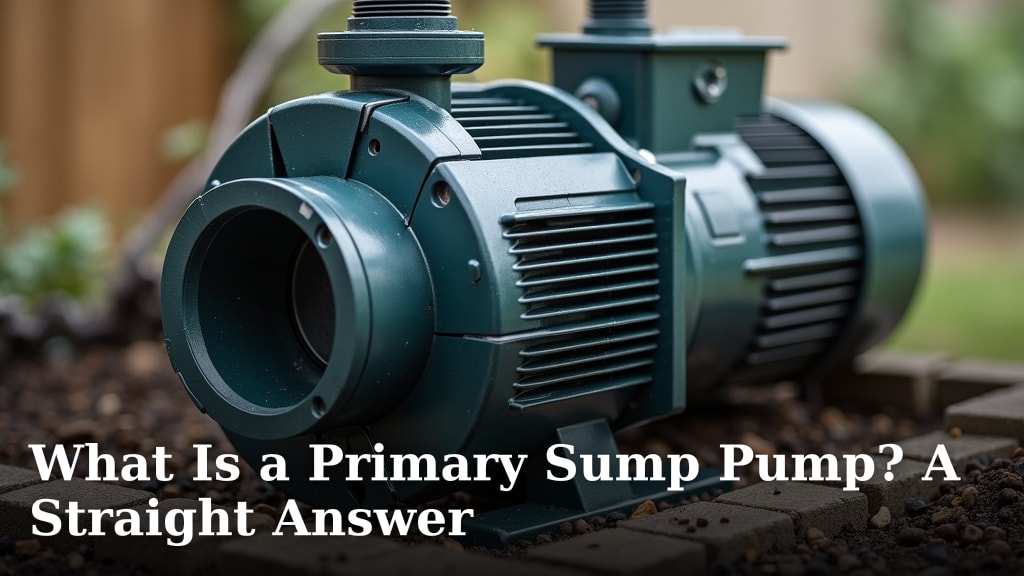
A primary sump pump is your home’s main defense against basement flooding. It’s an electric pump installed in a pit at the lowest point of your basement. When groundwater rises into the pit, the pump activates and pushes the water outside, away from your foundation.
Most homes in areas with high water tables or a history of flooding rely on this device. We found that its simple, automatic operation is what protects your finished basement and stored items. It works quietly to prevent serious water damage before you even know there’s a problem.
- A primary sump pump is the first-line, automatic pump in your basement’s drainage system.
- It sits in a “sump pit” and uses a float switch to turn on when water collects.
- Its job is to move groundwater away from your foundation to a drainage area.
- Without a working pump, heavy rain or rising water can flood your space quickly.
- Many experts say regular testing is key to avoiding unexpected failures.
Below, we break down exactly how this common household hero works, from the float switch to the discharge pipe. You’ll learn what to look for and simple ways to keep it running smoothly.
How a Primary Sump Pump Actually Works
A primary sump pump is your basement’s dedicated water bouncer. It’s an automated system with a few key parts working together. Think of it like a smoke detector for water—it listens, reacts, and handles a problem before you even know it exists.
The whole process is simple but brilliant. It relies on basic physics and a few reliable components. Understanding how they work helps you spot trouble early. Let’s break down its anatomy.
The Sump Pit and Pump Body
Everything starts with the sump pit, also called a basin. This is a hole dug at the lowest point of your basement floor. A plastic or fiberglass liner is set into this hole. Water from the soil naturally seeps into this pit.
The pump itself sits inside this pit. It has an electric motor and an impeller. When the pump activates, the impeller spins like a fan. This creates a powerful vortex that pulls water up and out.
Cast Iron vs. Thermoplastic
Most pumps you’ll find are made from either cast iron or a tough plastic like thermoplastic. We found that cast iron pumps are generally heavier and more durable. They can handle tougher conditions but may be prone to rust if not protected.
Thermoplastic pumps are lighter and won’t rust. They are often more affordable and perfectly fine for typical residential use. The material matters less than having the right power and a solid design.
The Float Switch: The Brain of the Operation
The float switch is the most critical part. It’s what makes the pump automatic. Without it, you’d have to turn the pump on and off by hand. No one wants that job during a storm!
There are two main types. A vertical float switch has a buoy that slides up and down a rod. When water rises, the buoy goes up and triggers the pump. A tethered float switch is attached to a short arm. As water rises, the float tips over and activates the pump.
Which Switch Is Better?
We found that tethered floats are common and reliable. However, they need space to move freely in the pit. If debris gets tangled, it might get stuck. Vertical switches are often more compact. They can be a good choice for smaller pits. Both work well if kept clean.
The Discharge Line and Check Valve
Once the pump kicks on, water travels through a discharge pipe. This is usually a PVC pipe. It carries the water up from the pit and out of your house.
Installed on this line is a check valve. This one-way valve is a simple but vital part. It allows water to flow out but prevents it from draining back into the pit. Without it, the pump would re-pump the same water. That wastes energy and shortens the pump’s life.
Choosing the Right Primary Sump Pump for Your Home
Picking a pump isn’t about buying the most powerful one. It’s about matching the pump to your home’s specific needs. The wrong size can lead to inefficiency or failure. We’ll guide you through the key specs.
Understanding Horsepower (HP) and GPH
You’ll see pumps advertised with two main numbers: horsepower and gallons per hour (GPH). Horsepower tells you the motor’s strength. GPH tells you how much water it can move at a certain height. This height is called “head pressure.”
Don’t just look at HP. A pump’s performance drops as it pushes water higher. A 1/3 HP pump might move 2,500 GPH at a 5-foot head. But at 10 feet, that flow could drop to 1,500 GPH. Always check the performance graph.
| Home Situation | Recommended Minimum HP | Why It Matters |
|---|---|---|
| Low water table, minimal seepage | 1/3 HP | Handles light, occasional water efficiently. |
| Moderate water issues, average basement | 1/2 HP | A popular choice for balanced power and flow. |
| High water table, prone to flooding | 3/4 HP or higher | Provides the strength needed for heavy, rapid water. |
Submersible vs. Pedestal Pumps
There are two physical styles you can choose from. A submersible pump sits under water in the pit. It is sealed to keep water out of the motor. They are quieter and more efficient. They also tend to last longer because they run cooler.
A pedestal pump has the motor on a stand above the pit. Only the pump body is in the water. They are often cheaper and easier to service. However, they are louder and may not handle as much water. For most modern homes, we found submersible pumps are the preferred choice.
Installation and Maintenance Basics
You don’t need to be a plumber to understand good installation. But knowing what’s right helps you ask the right questions. Proper setup is the first step to reliability.
The Importance of a Proper Pit Size
The sump pit must be large enough. A small pit makes the pump cycle on and off too frequently. This is called “short cycling.” It puts a lot of strain on the motor and switch. Most experts say a pit should be at least 18 inches in diameter. It should be about 24 inches deep.
Setting Up for Success
The discharge line needs a clear path away from your house. Water should be directed at least 10 feet away from the foundation. It must flow downhill. If the discharge line freezes in winter, the whole system fails. A frozen line is a common problem in cold climates.
The Role of Battery Backup
Your primary pump runs on electricity. What happens during a power outage? The pump stops. Unfortunately, heavy rain often causes power outages. This is when you need the pump most.
This is why many homeowners add a battery backup system. It’s a secondary pump with its own battery. When the primary pump fails or power goes out, the backup activates. It’s a crucial safety net. The CDC emphasizes the need for redundant systems to protect property during severe weather.
Your Simple Maintenance Checklist
Regular checks keep your pump healthy. It’s like getting an oil change for your car. Skip it, and you risk a breakdown. Follow this simple routine twice a year, especially before rainy season.
- Test the pump: Pour a bucket of water into the pit. The pump should turn on, pump the water out, and turn off automatically.
- Listen for sounds: Listen for grinding or squealing noises. A healthy pump hums smoothly.
- Check the float: Make sure the float switch moves up and down freely. It shouldn’t be trapped by the pit wall or debris.
- Inspect the discharge line: Ensure the exit point outside isn’t blocked. Look for cracks or leaks in the pipe.
- Clean the pit: Remove any rocks, silt, or debris that have collected. Debris can clog the pump intake.
- Test the check valve: After the pump stops, listen for water trickling back. You shouldn’t hear any.
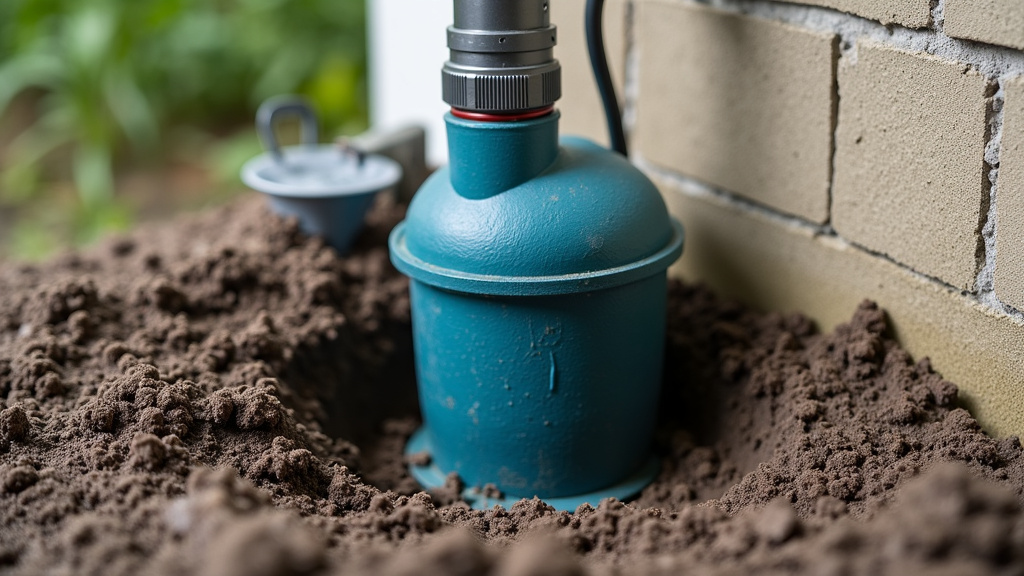
Troubleshooting Common Primary Pump Problems
Even good pumps have off days. Most issues have straightforward causes. Before you panic, run through these common scenarios.
Why Isn’t My Pump Turning On?
This is the most common complaint. First, check the basics. Is it plugged in? Is the circuit breaker tripped? If power is fine, the problem is likely the switch. A stuck float switch is a frequent culprit. Sometimes, it’s just tangled in a cord. Other times, it’s broken and needs replacement.
The Pump Runs But Doesn’t Move Water
You hear the motor running, but no water goes out. This usually means a clog. The intake screen at the bottom of the pump might be blocked. Silt or small stones can cover it. Unplug the pump and carefully clean the screen.
Another cause could be a frozen discharge line in winter. Or a blockage in the pipe outside. Check the entire path for water flow.
It Runs Constantly or Cycles Too Often
If the pump runs all the time, water is constantly entering the pit. This could mean a very high water table. Or a problem with your home’s drainage. It might be getting overwhelmed.
If it cycles on and off every few seconds, it’s short cycling. The pit is probably too small. Or the float switch is set wrong, causing it to trigger too early. This wears out the pump quickly.
When to Call a Professional
You can handle many basic checks and cleaning. But some situations require an expert. Trying to fix electrical components yourself can be dangerous. We recommend calling a pro if you hear strange noises from the motor. This could mean the bearings are failing.
Also, call if you see water leaking from the pump body itself. Or if the pump fails repeatedly after you’ve checked the basics. A professional can diagnose complex electrical or plumbing issues. They can also properly install a backup system.
Remember, your primary sump pump is a humble workhorse. It asks for little attention. In return, it protects your home from serious damage. A little knowledge and routine care go a long way.
Conclusion
Your primary sump pump is your basement’s first and most important defense against water damage. It works automatically to move groundwater away from your foundation, protecting your space and valuables. We’ve explored how it operates, the key parts to consider when choosing one, and simple maintenance steps. Regular testing and keeping the pit clean are easy ways to ensure reliability. Make a plan to test your pump and check its float switch this weekend. A few minutes of care can prevent a major headache later.
Frequently Asked Questions
How often should I test my primary sump pump?
We recommend testing it at least twice a year, and always before the rainy season begins. Pour a bucket of water into the pit to trigger the pump and ensure it runs and shuts off properly. This simple check can catch issues early.
What is the main difference between a primary sump pump and a backup pump?
A primary pump runs on household electricity and is your main system. A backup pump, usually battery-operated, is a secondary unit that activates if the primary fails or during a power outage. Using both provides a critical safety net for your home.
Can a frozen discharge line stop my sump pump from working?
Yes, absolutely. If the discharge pipe freezes in winter, water cannot exit the pit. The pump may run but will not move water, leading to potential failure or basement flooding. Ensure the line is properly insulated and directs water away from your home.
What are the signs my primary sump pump is failing?
Listen for unusual noises like grinding or squealing. If the pump runs constantly or cycles on and off too quickly, that’s a warning sign. Also, check if it struggles to pump water out or leaves the pit partially full after running.
How much does a typical primary sump pump cost?
Prices vary based on type and power. A basic pedestal pump might cost under $100, while a quality submersible model often ranges from $150 to $300. We found that investing in a reliable pump with a good warranty is a wise choice for long-term protection.