What Is a Sump Basin? A Beginner’s Guide
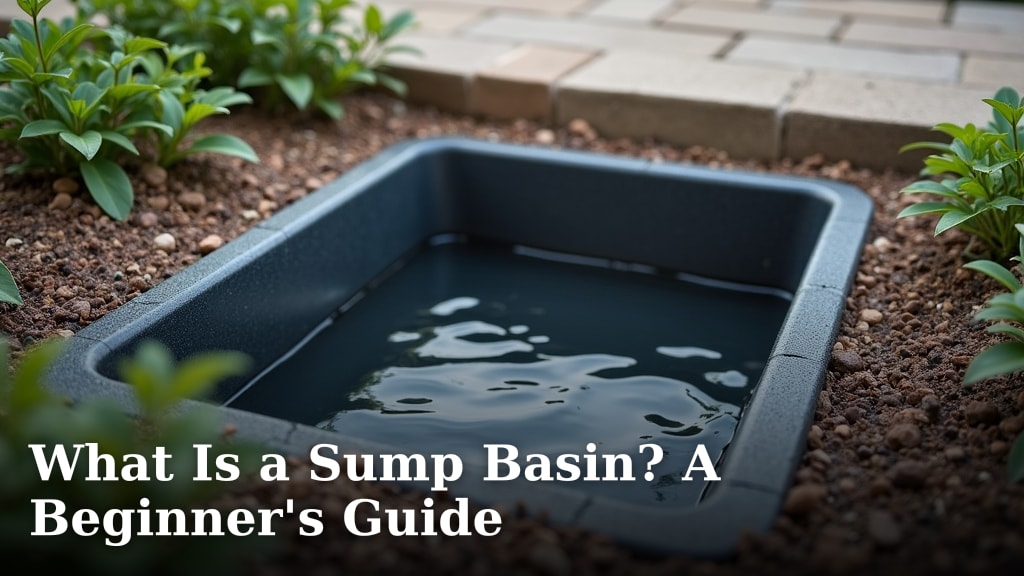
A sump basin is a hole dug in your basement floor. It collects water that might otherwise flood your home. It’s a key part of your basement waterproofing system. Think of it as a safety net for your home’s lowest level.
When rainwater or groundwater builds up, it needs somewhere to go. This is where the sump basin comes in. It’s designed to capture this water and prevent it from seeping into your basement. Many homeowners rely on them to keep their basements dry and damage-free.
TL;DR:
- A sump basin is a pit in your basement floor.
- It collects excess water.
- It works with a sump pump to remove water.
- It helps prevent basement flooding.
- It’s a crucial part of home waterproofing.
Below, we’ll break down exactly what a sump basin is and why you might need one.
Understanding Your Sump Basin: A Homeowner’s Essential Guide
Think of a sump basin as the first line of defense against basement water. It’s a specially designed pit installed in the lowest part of your basement or crawl space. Its main job is to collect excess water that might otherwise cause flooding or damage. This water can come from various sources, like heavy rain or melting snow. Without a sump basin, this water could pool around your foundation. It could then find its way into your basement, leading to costly repairs and mold growth.
Many homes, especially those in areas prone to dampness or with high water tables, benefit from this simple yet effective system. It’s a common feature in basement waterproofing. It works hand-in-hand with a sump pump to keep your home dry.
What Exactly Is a Sump Basin?
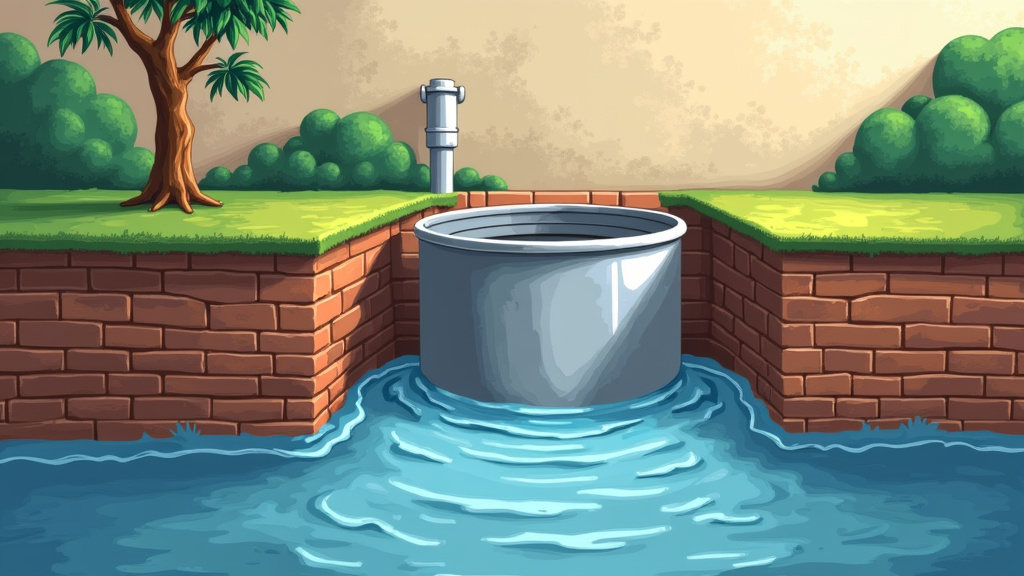
At its core, a sump basin is a receptacle for water. It’s typically a sturdy plastic or concrete container, often cylindrical or rectangular, buried in the floor. Its sides usually have perforations or are made of gravel. This allows water to easily flow into it from the surrounding soil.
The basin sits in a depression dug into your basement floor. This strategic placement ensures it catches water no matter where it enters. The bottom of the basin is usually sloped towards the center. This helps direct any sediment that enters towards the pump intake. This helps prevent clogging.
Key Components and Materials
Sump basins themselves are usually made from robust materials to withstand constant moisture and pressure from the surrounding soil. You’ll often find them constructed from:
- Plastic: Lightweight, durable, and resistant to corrosion. Many modern basins are made of high-density polyethylene (HDPE).
- Concrete: Traditional and very strong, but can be heavier and more prone to cracks over time if not sealed properly.
Inside the basin, you’ll find the sump pump. This is the device that actually removes the water. The pump has a float switch. This switch tells the pump when to turn on and off. When the water level in the basin rises to a certain point, the float rises with it. This activates the pump. The pump then pushes the water out of your basement through a discharge pipe. Learn how long a sump pump typically runs to ensure your system is functioning correctly.
How the Sump Basin Works in Tandem with the Pump
The basin and the pump are a team. The basin acts as the collection point. Water seeps into the ground around your foundation. It then flows through the soil and any installed drainage systems. This water is directed towards the sump basin. It fills the basin until it reaches the predetermined level.
Once the water hits that level, the float on the sump pump rises. This triggers the pump to turn on. The pump then sucks the water out of the basin. It discharges it through a pipe. This pipe carries the water safely away from your home’s foundation. The pump continues to run until the water level drops. Then, the float falls, signaling the pump to turn off. This cycle repeats as needed.
Why You Might Need a Sump Basin and Pump System
Having a sump basin isn’t just about preventing a little dampness. It’s about protecting your home’s structural integrity and your belongings. Several factors can increase your risk of basement water problems.
Common Causes of Basement Water Intrusion
Water can find its way into your basement through numerous avenues. Understanding these can help you appreciate the role of a sump basin:
- Heavy Rainfall and Snowmelt: When the ground becomes saturated, water needs somewhere to go. If your yard slopes towards your house, or if your drainage system isn’t adequate, water can pool against your foundation walls.
- High Water Table: In some areas, the natural groundwater level is close to the surface. This means hydrostatic pressure can constantly push water against your foundation.
- Poor Exterior Drainage: If gutters are clogged, downspouts don’t extend far enough away from the house, or the ground around your foundation isn’t sloped away from the house, water will collect there.
- Foundation Cracks or Gaps: Even small cracks in your foundation walls or floor can act as entry points for water.
Research from organizations like the U.S. Environmental Protection Agency (EPA) highlights that moisture in homes can lead to mold growth, which can affect indoor air quality and health. A sump basin system is a key tool in preventing this.
Benefits of a Functional Sump Basin System
A properly installed and maintained sump basin system offers significant advantages:
- Flood Prevention: This is the primary benefit. It keeps your basement dry during heavy rains or other water intrusion events.
- Mold and Mildew Control: By removing standing water, it eliminates the conditions necessary for mold and mildew to grow.
- Protection of Belongings: It safeguards stored items, furniture, and appliances in your basement from water damage.
- Preservation of Structural Integrity: Constant moisture can weaken concrete and promote the corrosion of metal components in your foundation. A sump basin helps prevent this.
- Improved Indoor Air Quality: A dry basement contributes to a healthier home environment overall.
What to Look For in a Sump Basin Installation
When you’re considering a sump basin, or if you already have one, you’ll want to ensure it’s installed correctly. A good installation is key to its effectiveness.
Proper Siting and Sizing
The basin should be installed at the lowest point in your basement or crawl space. This ensures it can capture water from all areas. The size of the basin matters too. A larger basin can hold more water. This gives the pump more time to operate during heavy water inflow. It also reduces the frequency of pump cycles.
Many experts recommend a basin diameter of at least 18 inches and a depth of 24 to 30 inches for typical residential use. However, the ideal size can vary based on local rainfall patterns and soil conditions.
The Role of Drainage Systems
A sump basin works best when it’s part of a larger water management strategy. This often includes an interior or exterior drainage system. An interior drain tile system, for example, is a network of perforated pipes installed around the perimeter of your basement floor. These pipes collect water that seeps into the basement walls and direct it to the sump basin.
Exterior drain tiles work similarly but are installed outside the foundation walls. Both systems help gather water before it can even reach your basement floor.
Maintaining Your Sump Basin for Optimal Performance
A sump basin is not a set-it-and-forget-it device. Regular maintenance is essential to ensure it functions when you need it most.
Regular Cleaning and Inspection
Over time, sediment, dirt, and small debris can accumulate in the basin. This can clog the pump intake or interfere with the float switch. We found that checking your basin at least once a year, and more often in flood-prone areas, is a good practice.
During an inspection, you should remove any accumulated debris. Ensure the pump is clear and functioning. Test the float switch by lifting it manually to see if the pump engages. Also, check the discharge pipe to make sure it’s clear and directs water away from your home.
Backup Power Solutions
What happens if the power goes out during a storm? Your sump pump won’t work. This is a common concern for homeowners. Many experts recommend having a backup power source.
This could be a battery backup system specifically designed for sump pumps. These systems automatically activate when the main power fails. Some homeowners opt for a water-powered backup pump, which uses your home’s municipal water pressure to operate. Having a backup can provide peace of mind during severe weather events.
Sump Basin vs. Other Water Management Methods
While sump basins are highly effective, they are part of a broader category of home waterproofing solutions. It’s helpful to understand how they fit in.
Comparing Sump Basins with French Drains and Grading
French drains are trench-like systems filled with gravel and a perforated pipe. They are typically installed outside your home to intercept surface water and groundwater before it reaches your foundation. They work very well for diverting water away from specific areas.
Proper grading involves ensuring the land around your home slopes away from the foundation. This directs surface water away naturally. It’s a fundamental step in preventing water buildup. Many sources, including university extension offices, emphasize grading as a primary defense.
While grading and French drains manage water at the surface and near the foundation, a sump basin is the last resort. It collects water that has already entered the drainage system or seeped into the ground near the foundation. For comprehensive protection, you often need a combination of these methods.
Here’s a quick rundown:
- Grading: Manages surface water flow away from the house.
- French Drains: Intercepts and redirects groundwater before it reaches the foundation.
- Sump Basin: Collects water that bypasses other systems and is present in the basement.
When Is a Sump Basin the Best Solution?
A sump basin is particularly beneficial for homes experiencing persistent moisture issues. This includes homes in areas with a high water table or those with a history of basement flooding despite other measures. It’s a proactive way to manage water that’s already trying to enter your home.
If you’ve tried other methods like improving exterior drainage or sealing foundation cracks, but still find dampness or water in your basement, a sump basin system is often the next logical step. It addresses water that has already made its way underground towards your basement’s lowest point.
A Checklist for Your Sump Basin System
To ensure your sump basin system is working effectively, consider running through this quick checklist:
- Is the basin clear of debris?
- Is the sump pump clean and free of obstructions?
- Does the float switch move freely and activate the pump?
- Does the pump discharge water effectively away from the house?
- Is the discharge pipe clear and undamaged?
- Do you have a backup power plan in place?
Regular checks like these can save you from major water damage down the road.
Conclusion
You’ve learned that a sump basin is your basement’s best friend against water damage. It’s a simple pit designed to collect water, working with a sump pump to keep your home dry. This system is essential for preventing mold, protecting your belongings, and maintaining your home’s structure. Don’t let moisture worries linger.
Your next step is to check your current system. Inspect your basin and pump regularly. If you don’t have one and live in a flood-prone area, consider consulting a waterproofing professional. Taking action now protects your home’s future.
Frequently Asked Questions
How often should I clean my sump basin?
We recommend checking your sump basin at least once a year. If you live in an area with heavy rainfall or know your basement is prone to moisture, inspect it more often. Removing debris prevents clogs and ensures the pump works when needed.
What size sump basin do I need?
For most homes, a basin diameter of at least 18 inches and a depth of 24 to 30 inches is suitable. However, the best size can depend on your local climate and soil conditions. It’s wise to consult with a professional for tailored advice.
Can I install a sump basin myself?
While some DIYers tackle this, installing a sump basin involves digging into your basement floor and connecting plumbing. It’s often best left to professionals who can ensure it’s properly sited, sized, and connected to drainage systems and a pump.
What happens if the power goes out during a storm?
This is a common concern. If the power fails, your sump pump won’t operate, and your basin could fill up. We found that a battery backup system or a water-powered backup pump offers reliable protection during power outages.
Does grading my yard replace the need for a sump basin?
Yard grading is an important first step to direct surface water away from your home. However, it doesn’t handle groundwater or heavy saturation issues. A sump basin is still necessary for collecting water that bypasses grading and enters the ground near your foundation.