What Triggers a Sump Pump to Run? Made Simple
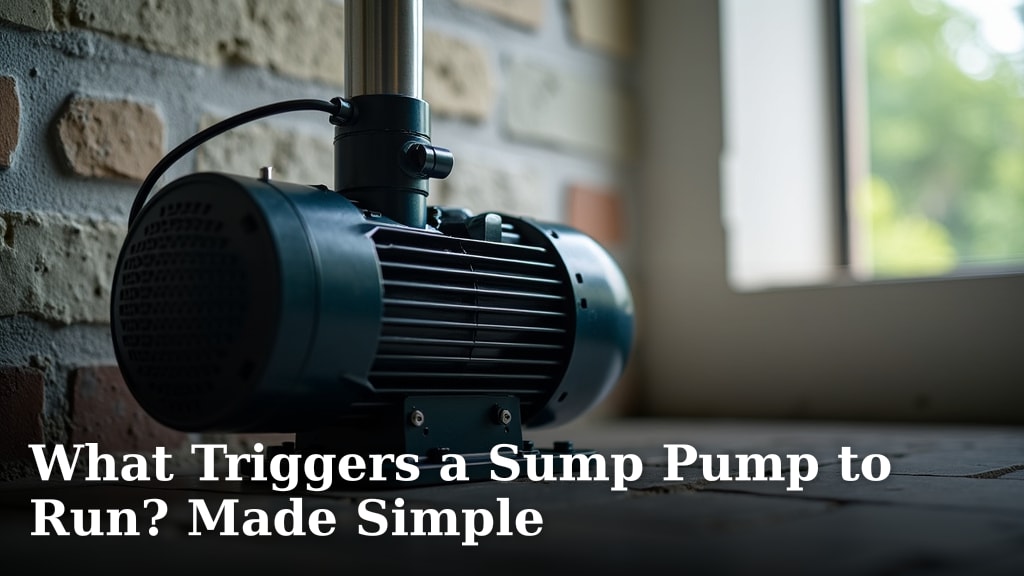
Your sump pump is typically triggered to run by a float switch. This switch detects rising water levels in your sump pit. When the water reaches a certain point, the float lifts and activates the pump motor. It’s a simple, yet effective, system designed to keep your basement dry.
Understanding what makes your sump pump turn on is essential for home maintenance. The pump’s primary job is to move excess water away from your foundation. This prevents basement flooding and protects your home’s structure. Many homeowners find comfort in knowing how this helpful device works. Understanding what makes your sump pump turn on is essential, and you may even need a sump pump if you don’t have one.
- The float switch is the main trigger.
- It activates when water levels rise.
- This prevents water buildup and flooding.
- Regular checks ensure it’s working properly.
Let’s walk through exactly how this simple system keeps your basement safe and dry.
Understanding How Your Sump Pump Activates
It’s a pretty common question: what actually makes that sump pump spring into action? You want to know because a dry basement is a happy basement, right? We’ve got you covered. Your sump pump is designed to be mostly automatic, working when it needs to without you lifting a finger. The secret lies in a clever little device that senses the water level.
The Heart of the System: The Float Switch
At its core, the sump pump’s trigger is almost always a float switch. Think of it like the float in your toilet tank, but doing a much more important job. This switch is directly connected to your sump pump motor. It’s designed to detect when the water in your sump pit has reached a specific, pre-determined level. When that happens, the float rises with the water, and that movement flips the switch, telling the pump, “Time to work!”
How the Float Mechanism Works
Most common float switches are either a ball float or a vertical float. A ball float is a hollow sphere attached to an arm. As water rises, it lifts the ball. This upward movement pivots the arm, which in turn activates the pump. A vertical float is usually a cylindrical piece that slides up and down a rod. When the water level pushes it up to a certain point on the rod, it trips a mechanism that turns on the pump.
Why the Float Switch is So Important
This simple mechanism is incredibly effective. It ensures your pump only runs when necessary. This saves energy and reduces wear and tear on the pump itself. Without the float switch, the pump would either run constantly, which is wasteful, or not at all, leading to a flooded basement. It’s a This simple mechanism is incredibly effective, and knowing how long a sump pump runs can help you assess its performance.smart, low-tech solution for a potentially big problem.
When Does the Water Level Get Too High?
Several factors can cause the water level in your sump pit to rise. Understanding these will help you anticipate when your pump might need to work harder. Essentially, it all comes down to water entering your home’s foundation area and seeking the lowest point.
Rainfall and Snowmelt
This is probably the most common trigger. Heavy rain or rapid snowmelt can saturate the soil around your foundation. This excess water then needs somewhere to go. Your foundation’s drainage system, often called weeping tile or French drains, directs this water towards your sump pit. As the pit fills, the float switch activates the pump to discharge the water away from your house.
Groundwater Levels
Even without heavy rain, the natural groundwater table can fluctuate. If the groundwater level rises, it can seep into your basement or crawl space, eventually finding its way into the sump pit. Certain soil types or geological conditions might make your home more susceptible to higher groundwater levels. When this happens, your sump pump becomes your silent guardian.
Issues with Drainage Systems
Sometimes, the problem isn’t just excess water, but how it’s being managed. If the pipes leading to your sump pit are clogged with dirt, debris, or even tree roots, water can’t drain properly. This can cause the water level in the pit to rise faster than usual. Similarly, if the exterior drainage around your home is poor or has become blocked, water might pool near the foundation and find its way into the pit.
Sump Pump System Failures (The Inverse Trigger!)
While this sounds counterintuitive, a failing sump pump system can *trigger* the need for the pump to run, but it won’t be able to do its job. If your pump motor burns out, the float switch is stuck, or the discharge line is frozen or blocked, water will simply keep accumulating in the pit. In this case, the float switch will still try to activate the pump, but the water level will continue to rise because the pump isn’t working effectively. This is why regular checks are so vital.
Beyond the Float: Other Factors and Considerations
While the float switch is the primary trigger, a few other things can influence when and how your sump pump operates. Thinking about these can help you ensure your system is always ready.
The Importance of Proper Sump Pit Size and Depth
The size and depth of your sump pit play a role. A pit that’s too shallow might fill up quickly, causing the pump to cycle on and off more frequently. This constant cycling can reduce the lifespan of your pump. Conversely, a pit that’s too deep might mean the pump doesn’t run often enough, potentially allowing water to back up before the pump activates.
Backwater Valves: An Added Layer of Protection
You might have a backwater valve installed on your sump pump discharge line. This device is designed to prevent water from flowing *back* into your sump pit from the municipal sewer system or your yard. While it doesn’t trigger the pump to run, it’s a critical component that ensures the water pumped out stays out.
Testing Your Sump Pump Regularly
So, how can you be sure your sump pump is ready when needed? Regular testing is key. You don’t need to be a plumbing expert to do this. It’s a straightforward process that can save you a lot of headache down the line.
Simple Testing Steps
The easiest way to test your pump is by manually lifting the float switch. This simulates the water level rising. Pouring a bucket of water directly into the sump pit is another effective method. Watch to see if the water level rises enough to lift the float and activate the pump. Then, observe if the pump runs, discharges water, and shuts off as the water level drops. A quick check like this can give you peace of mind.
When to Call a Professional
If you notice any issues during your test, like the pump not running, making strange noises, or not shutting off, it’s time to call a qualified plumber. They can diagnose problems, perform maintenance, or recommend a replacement if needed. It’s better to be safe than sorry when it comes to keeping your basement dry.
A Checklist for Sump Pump Readiness
Here’s a quick rundown of what to keep in mind to ensure your sump pump is always ready to go:
- Check the float switch: Make sure it moves freely and isn’t obstructed by debris.
- Test the pump: Pour water into the pit or lift the float to ensure it activates and shuts off.
- Clear the sump pit: Remove any sediment or debris that could interfere with the float or pump.
- Inspect the discharge line: Ensure it’s not blocked, frozen, or damaged.
- Listen for unusual noises: Grinding or rattling sounds can indicate a problem.
- Know your pump’s age: Sump pumps have a lifespan, typically 5-10 years.
Conclusion
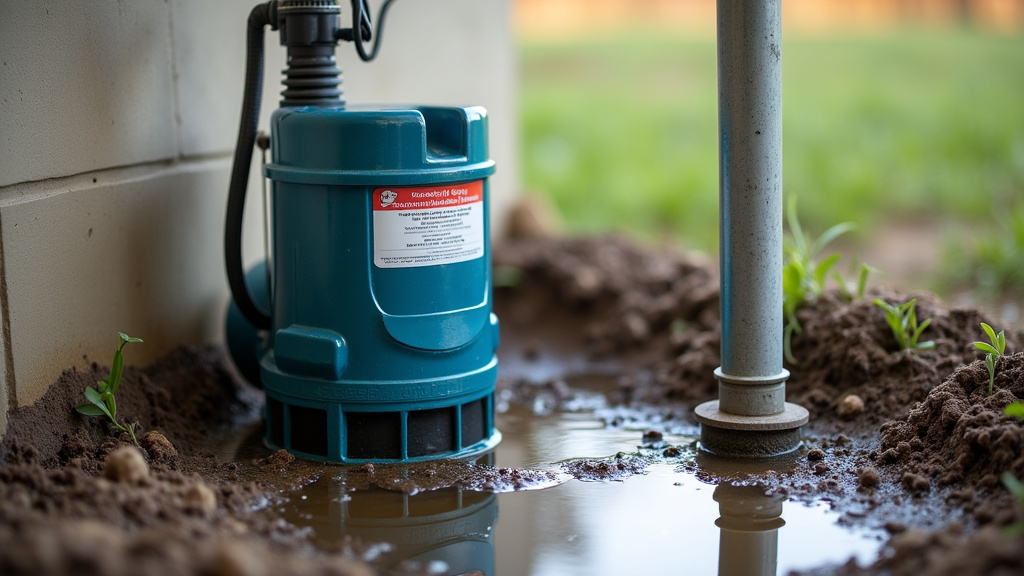
Your sump pump is your basement’s best friend, working quietly to keep it dry. The float switch is the smart sensor that tells it when to go. It activates when rising water, from rain, snowmelt, or groundwater, reaches a certain point. Understanding this simple mechanism means you can better prepare your home. Regular checks of the float switch and pump are your best defense against unexpected water. Taking these small steps ensures your sump pump is always ready to protect your home.
Frequently Asked Questions
How often should I test my sump pump?
You should test your sump pump at least twice a year, ideally in the spring before heavy rains and in the fall before winter snowmelt. Manually lifting the float switch or pouring a bucket of water into the pit are easy ways to check. This simple test ensures it’s ready for action when you need it most.
Can a power outage stop my sump pump from working?
Yes, a standard sump pump relies on your home’s electricity. If you lose power during a storm, your pump won’t run, which can lead to flooding. Consider a battery backup sump pump system or a generator for continuous protection during outages.
What is the lifespan of a sump pump?
Most sump pumps have a lifespan of about 5 to 10 years, depending on usage and maintenance. If your pump is older or runs very frequently, it might be nearing the end of its life. Checking its age and listening for unusual noises can help you determine if it needs replacement.
What happens if the float switch gets stuck?
If the float switch gets stuck in the down position, the pump won’t turn on even if the pit is full of water. If it gets stuck in the up position, the pump will run continuously, which can cause damage and waste energy. Regularly clearing debris from the pit helps prevent the switch from getting stuck.
Why is my sump pump running constantly?
A sump pump running constantly could mean several things. The water level might be too high due to heavy rainfall or a high groundwater table. It could also indicate a problem with the discharge line being blocked or frozen, or the float switch might be stuck in the “on” position. If this happens, call a plumber to diagnose the issue.