Is a Pedestal or Submersible Sump Pump Better?
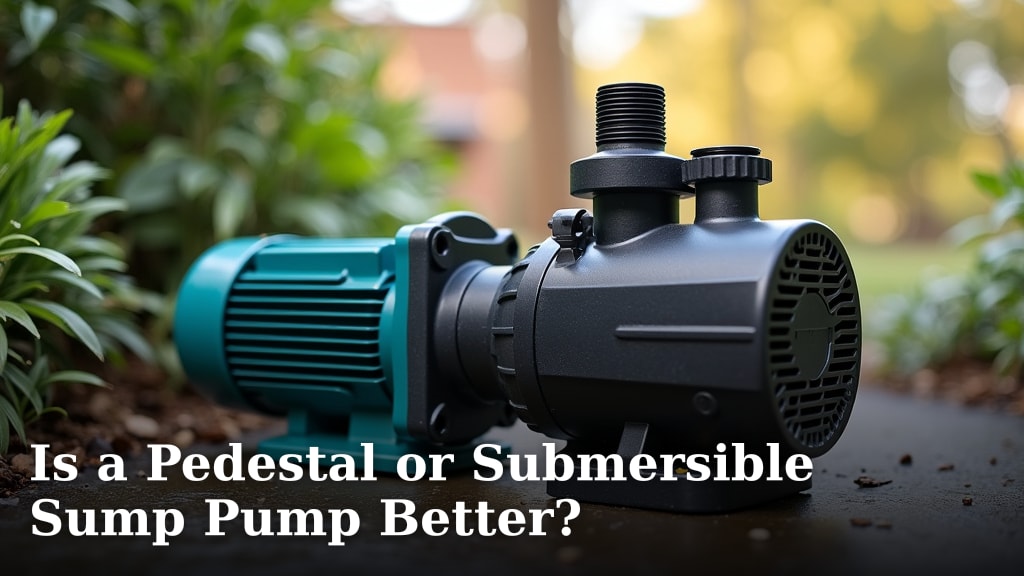
When choosing between a pedestal and a submersible sump pump, the best choice really depends on your basement’s unique setup and your budget. Submersible pumps are generally quieter and more protected from debris, making them a good fit for many homes. Pedestal pumps, while often less expensive, can be more prone to noise and require careful placement.
We’ve researched both types to help you decide. Understanding the key differences in how they operate, their durability, and installation needs will guide you to the right pump for your needs. Both aim to keep your basement dry, but they go about it in different ways. Understanding your sump pump’s discharge needs is also crucial for proper installation and function.
TL;DR:
- Submersible pumps are quieter and better protected.
- Pedestal pumps are often cheaper but can be louder.
- Consider your basement space and budget.
- Both keep your basement dry effectively.
- Installation and maintenance vary between types.
Let’s dive into the specifics of each type to help you make the most informed decision for your home.
Pedestal vs. Submersible Sump Pumps: Which One is Right for Your Home?
Choosing the right sump pump is about more than just keeping your basement dry. It’s about finding a reliable solution that fits your home’s specific needs and your budget. We’ve looked into the two main types: pedestal and submersible. Both do the important job of removing water. But they operate quite differently, and one might be a much better fit for you than the other. Let’s break down what makes each unique. If you’re unsure whether you need a sump pump, our guide explains how to tell if your home requires one.
Understanding the Basics of Each Pump Type
The Pedestal Sump Pump: A Simpler Design
Think of a pedestal sump pump as the more exposed member of the family. Its motor is perched on top of a long, slender rod, or “pedestal.” The pump itself sits down in the sump pit, usually at the bottom. A float on the rod rises with the water level. When the water gets high enough, it lifts the float, activating the pump.
This design means the motor is kept well above the water. This can make it easier to access for maintenance or replacement. Because the motor isn’t submerged, some people find them easier to repair themselves. However, this also means the motor is more exposed to the basement environment, and it can be noisier.
The Submersible Sump Pump: Designed for Submersion
A submersible sump pump is built to live underwater. The entire unit – motor, pump, and float switch – is sealed and designed to sit directly in the sump pit, submerged in the water it’s pumping out. The float switch is often tethered to the pump, or it might be a vertical float that moves up and down with the water level.
Being submerged offers some key advantages. It keeps the pump quieter because the water acts as a sound buffer. It also protects the motor from dust and debris that might be in your basement. Many people find submersible pumps to be more durable because they are designed for constant contact with water. They are also generally considered more efficient.
Key Differences to Consider for Your Basement
Noise Levels: Which is Quieter?
If a quiet basement is a priority for you, a submersible pump usually wins this category. The motor is housed within a waterproof casing and sits underwater. This water acts like a natural sound dampener. You might hear a slight hum or the sound of water being pumped, but it’s often much less noticeable.
Pedestal pumps, on the other hand, can be quite noisy. Because the motor is above the water, the sound isn’t muffled. When the pump kicks on, you’ll likely hear a distinct whirring or grinding sound. This can be disruptive, especially if your basement is near living areas or if you have a finished basement.
Durability and Lifespan: How Long Will It Last?
When it comes to durability, submersible pumps often have a longer lifespan. This is largely due to their design. Being fully enclosed and cooled by the water they are submerged in, their motors tend to run cooler and last longer. They are also less susceptible to damage from basement dust and humidity.
Pedestal pumps can be durable, but their exposed motor is more vulnerable. Over time, dust and moisture can affect the motor’s performance. Also, the shaft connecting the motor to the impeller can sometimes become bent or corroded, leading to operational issues. Many experts note that submersible pumps are generally built to withstand harsher, wetter conditions.
Maintenance and Accessibility: What’s Easier to Fix?
For some homeowners, the accessibility of a pedestal pump is a major plus. If something goes wrong with the motor, you can often lift it off the pedestal without having to pull the entire unit out of the pit. This can make simple repairs or replacements easier for a DIYer.
Submersible pumps require you to pull the entire unit out of the sump pit for any significant maintenance or repair. This can be a messy job, as the pump will be covered in water and potentially debris. However, many submersible pumps are designed to be very reliable, meaning they may require less frequent maintenance overall.
Installation Considerations: What Fits Your Pit?
The type of pump you choose can depend on the size and depth of your sump pit. Pedestal pumps, with their long shafts, typically require a deeper pit to ensure the impeller is fully submerged. They also need enough vertical space for the float arm to move freely.
Submersible pumps are generally more flexible. They can work in a variety of pit sizes, including shallower ones. Because the entire unit is in the pit, you mainly need to ensure there’s enough space for the pump to sit upright and for the float switch to operate without obstruction. Some submersible pumps have a tethered float that requires more horizontal space.
Cost: What’s the Price Difference?
Generally speaking, pedestal sump pumps are often less expensive upfront than submersible pumps. Their simpler design and fewer sealed components can contribute to a lower purchase price. This makes them an attractive option for homeowners on a tighter budget.
Submersible pumps typically cost more initially. This is because they are more complexly engineered. They feature waterproof casings, more robust motors, and often more advanced features. While the upfront cost is higher, many find the increased durability and quieter operation justify the investment over the pump’s lifespan.
Performance and Efficiency: How Well Do They Work?
Water Removal Capacity
Both types of pumps are designed to remove water effectively. The GPH (gallons per hour) rating is a key metric. A pump’s ability to move water depends on its horsepower and the “head height” – how high it needs to push the water. You’ll find both pedestal and submersible pumps in a wide range of horsepower options.
Energy Efficiency
Submersible pumps are often considered more energy-efficient. Because their motors are designed to operate while submerged, they are naturally cooled by the surrounding water. This can lead to more consistent performance and less energy waste compared to a pedestal pump’s motor, which might need to work harder in less-than-ideal conditions.
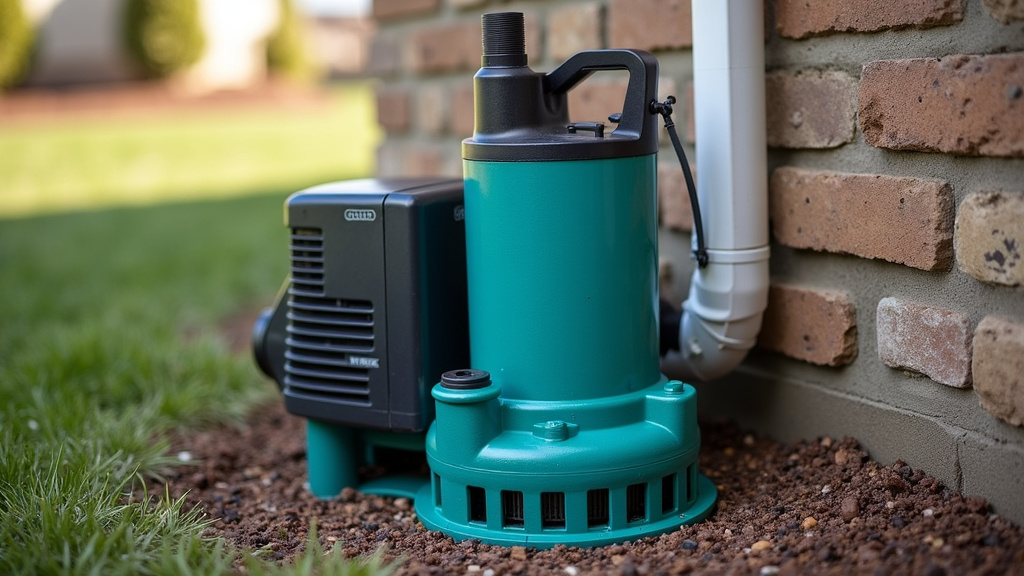
Making the Right Choice for Your Home
So, which one is truly better for your home? It really boils down to prioritizing what matters most to you.
Consider these points:
- Your Basement Environment: Is it prone to debris? Is it humid? This might favor a submersible.
- Noise Sensitivity: If quiet is key, a submersible is the clear winner.
- Budget: A pedestal pump is often the more affordable starting point.
- Ease of Repair: Do you like to tinker? A pedestal might offer easier DIY access.
- Sump Pit Size: Measure your pit to ensure adequate space for either type.
- Long-Term Investment: While pricier, submersible pumps often offer longer service life.
We found that while both pump types are effective at their core job, the submersible pump often provides a quieter, more durable, and potentially more efficient solution for many homes. However, for those on a strict budget or who prefer easier motor access for DIY, a pedestal pump remains a very viable option. It’s all about matching the pump’s strengths to your home’s specific needs and your personal preferences.
| Feature | Pedestal Sump Pump | Submersible Sump Pump |
|---|---|---|
| Motor Location | Above the water, on a pedestal | Submerged in water |
| Noise Level | Generally louder | Generally quieter |
| Durability | Motor more exposed; potentially shorter lifespan | Motor protected; often longer lifespan |
| Maintenance Access | Easier motor access | Requires removing entire unit |
| Installation | May require deeper pit | More flexible with pit size |
| Typical Cost | Lower upfront cost | Higher upfront cost |
| Protection from Debris | Less protected | Better protected |
Ultimately, the best pump is the one that will reliably keep your basement dry without causing undue stress or expense. Take a moment to consider how each type aligns with your home and your expectations.
Quick Checklist for Your Decision
Before you decide, run through this quick checklist:
- Measure your sump pit dimensions.
- Listen to your tolerance for pump noise.
- Review your budget for initial purchase.
- Consider how often you’re willing to perform maintenance.
- Think about how much water your basement typically accumulates.
- Check for local building codes that might influence your choice.
Conclusion
You’ve learned that both pedestal and submersible sump pumps effectively keep your basement dry. The best choice for your home really comes down to your specific priorities. If you’re looking for a quieter operation and a motor that’s protected from basement moisture and debris, a submersible pump is likely your best bet, even with a higher upfront cost. For those on a tighter budget or who prefer easier motor access for DIY maintenance, a pedestal pump offers a more affordable and accessible option, though it might be noisier. Measure your sump pit, consider your budget, and think about how much noise you can tolerate. Then, you can confidently select the pump that fits your home’s needs best.
Frequently Asked Questions
Are submersible sump pumps really that much quieter than pedestal pumps?
Yes, research shows submersible pumps are generally much quieter. Their motors are sealed and sit underwater, which acts as a natural sound buffer. Pedestal pump motors are above water, so their operation is often more noticeable and can create disruptive noise.
Which type of sump pump typically lasts longer?
Submersible sump pumps are often found to have a longer lifespan. Their motors are cooled by the water they are submerged in and are better protected from dust and humidity. Pedestal pump motors are more exposed, making them potentially more susceptible to wear and tear over time.
Is it easier to fix a pedestal sump pump myself?
For some DIY repairs, a pedestal pump can be easier. You can often remove just the motor unit from the pedestal to work on it. With a submersible pump, you typically need to pull the entire unit out of the sump pit for most maintenance or repairs, which can be a messier job.
Can a submersible sump pump fit in any sump pit?
Submersible pumps are generally more flexible regarding sump pit size. They can work well in various depths, including shallower pits. You just need to ensure there’s enough room for the pump to sit upright and for its float switch to operate freely without obstruction.
Which type of sump pump is better if my basement is prone to debris?
If your basement collects a lot of debris, a submersible sump pump is usually the better choice. Its sealed design and submerged motor offer superior protection against dust, dirt, and other particles that could clog or damage a pedestal pump’s exposed motor.