What Is a Combination Sump Pump? What It Means
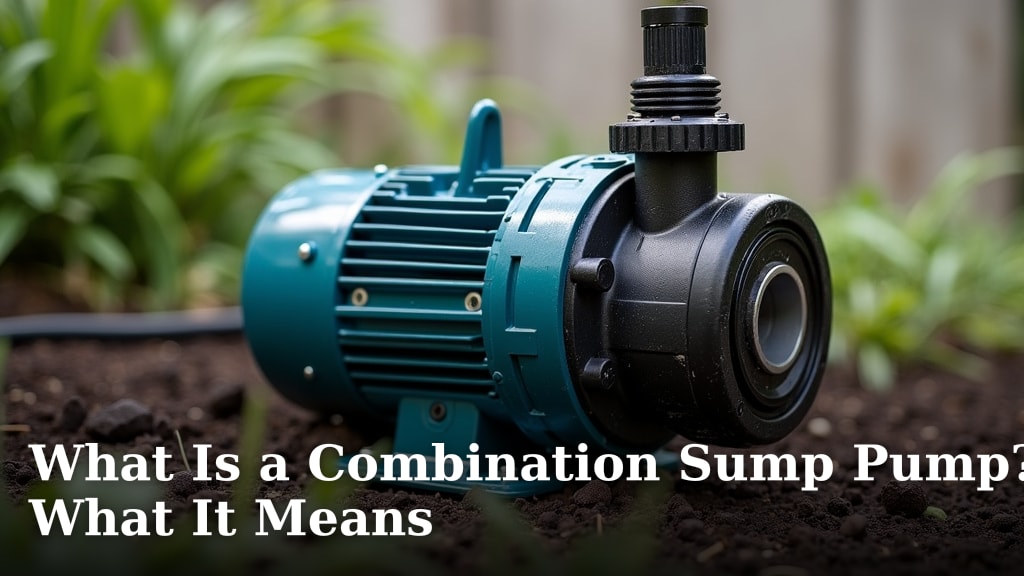
A combination sump pump is a clever system that uses both a primary and a battery backup pump. This ensures your basement stays dry even when the power goes out. It’s a smart way to protect your home from flooding.
This type of pump offers extra peace of mind. If your main pump fails or the electricity cuts off, the backup pump takes over. We found this redundancy is a top feature for homeowners concerned about water damage.
- It’s a pump with two pumps in one.
- One pump runs normally.
- The other pump is a backup for power outages.
- Protects your basement from flooding.
- Offers reliable protection.
Below, we’ll break down exactly what a combination sump pump is and why it might be the right choice for your home’s protection.
Understanding the Combination Sump Pump System
So, what exactly is a combination sump pump? Think of it as a super-powered security system for your basement. It’s a single unit designed to do two critical jobs. It ensures water is pumped out of your basement. It also makes sure this happens even when your home loses power.
Essentially, it’s a dual-pump setup in one package. This system is built for reliable basement waterproofing. It offers an extra layer of protection that single pumps can’t match. We’ve found that this redundancy is a major selling point for many homeowners.
How Does a Combination Sump Pump Work?
A combination sump pump works by having two pumps that share a single discharge pipe. One is the primary pump. This is the workhorse, running whenever water levels rise in the sump pit. The other is the backup pump. It sits ready to take over if the primary pump fails or if the power goes out.
When water enters the sump pit, it usually triggers a float switch. This switch activates the primary pump. The primary pump then expels the water from your basement. If the water level continues to rise for any reason – perhaps the primary pump is clogged or the power is out – the backup pump is activated. This ensures your basement stays dry.
The Primary Pump’s Role
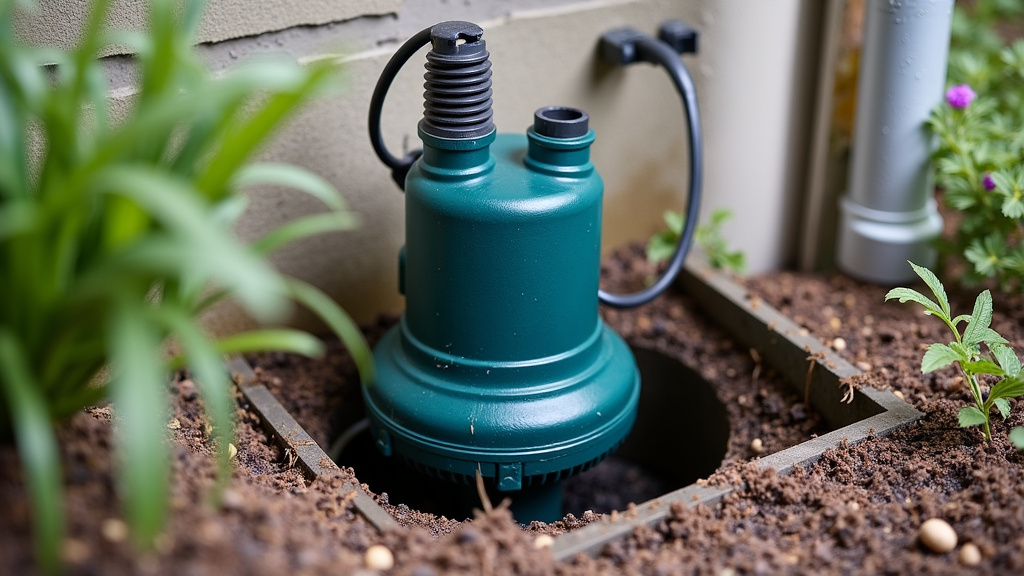
The primary pump is your day-to-day water remover. It’s typically a submersible pump, meaning it sits at the bottom of the sump pit, submerged in water. This positioning helps with cooling and quiet operation. It’s designed for efficiency and regular use during damp periods.
When the water in the pit reaches a certain level, a float mechanism lifts. This signals the primary pump to start. It pumps water out through the discharge pipe. Once the water level drops, the float goes down, and the pump shuts off. It’s a simple, effective system for normal conditions.
The Backup Pump’s Critical Function
The backup pump is your emergency responder. It’s often a different type of pump, sometimes a battery-powered one. This is key because it doesn’t rely on household electricity. Many backup pumps are designed to handle a high volume of water quickly.
This pump activates when the water level in the pit reaches a higher threshold than the primary pump. This gives the primary pump a chance to handle regular water accumulation. It also ensures that if the primary pump malfunctions or is incapacitated, the backup steps in. This prevents a minor issue from becoming a major flood. We’ve seen systems where the backup pump uses a different activation mechanism for added safety.
Why Choose a Combination Sump Pump?
Choosing a combination sump pump is about peace of mind. You’re investing in a robust system that protects your home from costly water damage. This is especially important if you live in an area prone to heavy rain, flooding, or frequent power outages.
The primary reason is redundancy. If one pump fails, the other is there to take over. This dramatically reduces the risk of your basement flooding. Many experts recommend this type of setup for thorough protection (FEMA). You’re not just hoping your pump works; you’re ensuring it does.
Protection Against Power Outages
Power outages are a common occurrence. They often happen during storms when your sump pump is working the hardest. A standard sump pump is useless without electricity. This is precisely when you need it most. A combination system solves this problem.
The battery backup pump is connected to a deep-cycle marine battery. This battery can power the backup pump for extended periods. This means your basement stays dry, even if the power is out for hours or even days. It’s a lifesaver during severe weather events. We’ve found this to be a critical feature for homeowners in storm-prone regions.
Safeguarding Against Primary Pump Failure
Sump pumps can fail for various reasons. They might clog with debris. Their motor could burn out. Or a mechanical part could break. Whatever the cause, a failed primary pump leaves your basement vulnerable.
A combination pump provides a safety net for these scenarios. The backup pump is designed to activate at a higher water level. This gives you time. It also ensures that if the primary pump stops working, the backup will kick in. This prevents a small problem from escalating into a flooded basement. This dual-action protection is what sets combination pumps apart.
Components of a Combination Sump Pump System
A combination sump pump system isn’t just two pumps. It’s a well-integrated unit with several key parts working together. Understanding these components helps you appreciate the system’s effectiveness.
The Sump Pit and Basin
This is the hole in your basement floor where water collects. The sump pit, or basin, is where the pumps sit. It’s designed to capture any water that seeps into your basement. The size and depth of the pit are important. They affect how often the pumps cycle on and off.
A properly sized pit ensures the pumps don’t cycle too frequently. Rapid cycling, also known as “short cycling,” can wear out the pumps faster. The pit should be deep enough to accommodate the float switches at their optimal positions. We found that pit maintenance, like keeping it free of debris, is also important.
Primary Submersible Pump
As we mentioned, this is the main pump. It’s typically submersible. This means it’s designed to operate underwater. Submersible pumps are generally quieter and more efficient than pedestal pumps. They also tend to last longer because they’re cooled by the water they’re in.
The horsepower of the primary pump matters. It determines how much water it can move and how quickly. Common sizes range from 1/3 to 1/2 horsepower. The right size depends on your home’s needs and the amount of water your basement typically accumulates.
Battery Backup Pump
This is the emergency pump. It’s often a different design, sometimes a pedestal pump placed above the water level. This keeps the motor dry. Some are also submersible. The key feature is its power source: a deep-cycle battery.
The battery needs to be a deep-cycle type. This means it’s designed to provide a steady amount of power over a long period. This is different from a car battery, which provides a quick burst of power. Regular car batteries are not suitable for sump pump backups. Many battery backup systems come with an automatic charger to keep the battery topped up.
Float Switches
Float switches are the brains of the operation. They tell the pumps when to turn on and off. Combination systems usually have at least two float switches. One for the primary pump and one for the backup pump. Sometimes they are integrated into a single mechanism.
The switches are typically attached to the pumps or suspended on a cord. As water rises, the float lifts, activating the switch. As water recedes, the float drops, turning the pump off. The backup pump’s float is usually set higher. This ensures it only activates when needed.
Check Valve
A check valve is a one-way valve. It’s installed on the discharge pipe. Its job is to prevent water from flowing back into the sump pit after the pump turns off. This is crucial. Without it, the pump would have to re-pump the same water repeatedly. This wastes energy and wears out the pump. A combination sump pump system relies on a check valve to prevent backflow.
In a combination system, a single check valve is typically used for both pumps. This ensures that water doesn’t backflow into the pit from either pump. It keeps the discharge pipe full of water, ready for the next cycle. We found that a well-functioning check valve is essential for any sump pump system.
Combination Sump Pump vs. Separate Systems
You might be wondering if a combination pump is better than buying a primary pump and a separate battery backup system. There are pros and cons to each approach. Let’s look at how they stack up.
| Feature | Combination Sump Pump | Separate Primary and Backup Pumps |
|---|---|---|
| Installation | Often simpler; one unit to install. | Can be more complex; requires installing two separate units and potentially separate power sources. |
| Space Requirements | Takes up space for one unit. | May require more space in the sump pit for two separate pumps. |
| Cost | Initial cost can be higher than a single primary pump, but often less than buying two high-quality separate units. | Can be more expensive if you buy premium models for both primary and backup. |
| Reliability | High; designed as an integrated system. | High if both units are good quality and properly installed. |
| Maintenance | Generally similar to maintaining a single pump system. | May involve maintaining two separate devices. |
Many experts suggest that combination units offer a good balance. They provide integrated, reliable backup. They are often designed to work together efficiently. This can simplify installation and ensure compatibility between the two pumps. We found that the convenience of a single unit is a major factor for many shoppers.
Is a Combination Sump Pump Right for You?
Deciding if a combination sump pump is the best fit depends on your specific needs and concerns. Ask yourself these questions:
- Do you live in an area with frequent or prolonged power outages?
- Is your basement prone to flooding during heavy rains?
- Have you experienced basement flooding before?
- Are you looking for the highest level of protection against water damage?
- Do you prefer a streamlined installation process?
- Do you want the peace of mind knowing you have a backup even if the main pump fails?
If you answered “yes” to several of these questions, a combination sump pump is likely an excellent investment for your home. It provides robust, reliable protection. It ensures your basement stays dry and safe, no matter what happens with the power grid or your main pump.
Conclusion
You’ve learned that a combination sump pump offers reliable protection for your basement. By integrating a primary pump with a battery backup, it ensures your home stays dry, even during power outages or when the main pump encounters an issue. This dual-system approach provides that extra layer of security many homeowners need. It’s a smart investment for safeguarding your property against potential water damage. If you’re looking to enhance your basement’s defense, consider exploring combination sump pump options for your home’s peace of mind.
Frequently Asked Questions
What is the main difference between a combination sump pump and a regular one?
The key difference is redundancy. A regular sump pump has only one motor. A combination sump pump includes a second, battery-powered pump that activates if the primary pump fails or the electricity goes out. We found this backup capability significantly increases protection.
Can a battery backup pump run indefinitely?
A battery backup pump can run for many hours, depending on the battery’s capacity and the pump’s power draw. Deep-cycle marine batteries are designed for longer, steady power output. However, it’s wise to test your system regularly and consider battery replacement as needed.
How often should I test my combination sump pump?
We recommend testing your combination sump pump at least twice a year, ideally in spring and fall. You can do this by pouring water into the sump pit to trigger the primary pump and then unplugging the unit to test the battery backup. This ensures both pumps are ready to perform when needed.
Are combination sump pumps more expensive than single pumps?
Generally, a combination sump pump has a higher upfront cost than a single primary pump alone. However, when you consider the cost of purchasing a high-quality primary pump and a separate, reliable battery backup system, a combination unit often provides comparable or even better value. We’ve seen them offer a good balance of features and price.
What kind of maintenance do combination sump pumps require?
Maintenance is similar to a single sump pump system. You’ll want to keep the sump pit clear of debris that could clog the pumps. Regularly check the float switches to ensure they move freely. For the backup system, ensure the battery is properly charged and test it periodically as recommended.