How Does a Sump Pump Know When to Turn On?
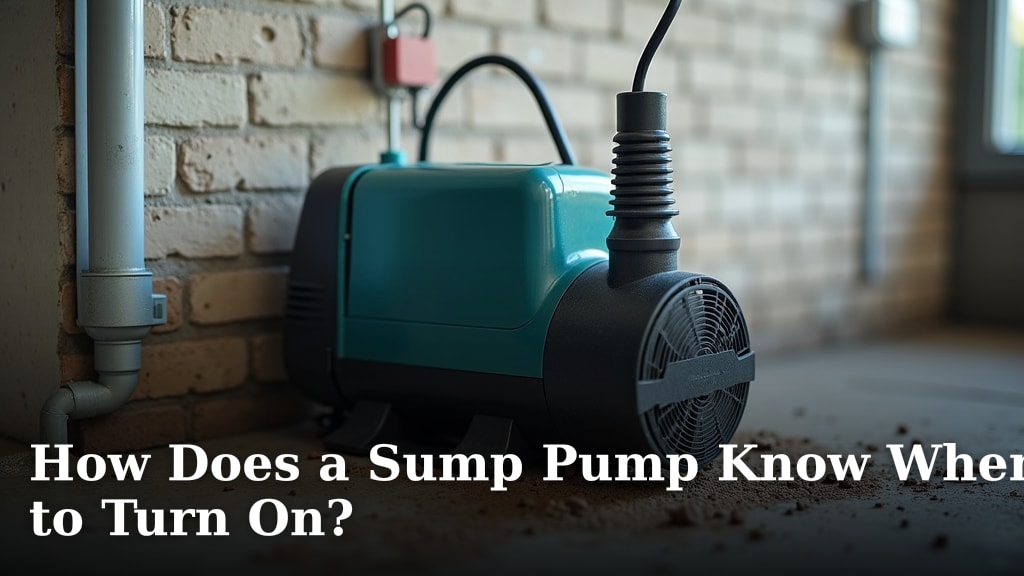
A sump pump knows when to turn on thanks to a float switch or a pressure sensor. These devices detect rising water levels in your basement. When water reaches a certain point, the switch activates the pump motor. This helps prevent basement flooding.
Think of the float switch like a toilet tank float. As water rises, it lifts the switch. The pressure sensor works similarly, but it measures the weight of the water. Both methods are designed for reliable operation. They ensure your pump works when you need it most.
- Sump pumps use float switches or pressure sensors.
- These detect rising water levels in the pit.
- When water hits a set point, the pump activates.
- This is your first line of defense against basement floods.
- It’s a simple but effective way to protect your home.
Let’s break down how these smart little devices help keep your basement dry.
Understanding How Your Sump Pump Stays Alert
You might wonder how that quiet basement guardian knows exactly when to spring into action. It’s not magic, but clever engineering! Your sump pump has a built-in trigger. This trigger tells the pump motor to start working. Its job is to push water away from your home. This prevents that dreaded, musty basement flood.
The Sump Pit: Where It All Happens
Before we talk about triggers, let’s look at the sump pit. This is a hole dug in your basement floor. It’s usually lined with concrete or plastic. The pit collects water that seeps into your basement. This water comes from groundwater. It can also come from heavy rain or snowmelt. The pit acts as a collection basin. It’s the first place water gathers before it can spread.
Water flows into the pit through drain tiles. These tiles run around your foundation. They help direct water towards the pit. The pit is designed to be the lowest point. This ensures all water naturally drains to it. Once the water level in the pit rises high enough, it’s time for the pump to work.
The Float Switch: Like a Toilet Tank Mechanism
The most common way a sump pump knows when to turn on is through a float switch. You’ve likely seen something similar before. Think about the mechanism in your toilet tank. As the water level rises, it lifts a float. This float is often a ball or a small, sealed container.
In a sump pump, this float is attached to a switch. When the water in the pit rises, it lifts the float. As the float goes up, it pulls a lever or tilts a component inside the switch. This action completes an electrical circuit. That electrical signal tells the sump pump motor to turn on. The pump then starts working. It pumps the water out of the pit and away from your house.
Types of Float Switches
There are a few variations of the float switch design. You might see a traditional vertical float switch. This is the kind that moves up and down on a rod. It’s very similar to what’s in your toilet. As water lifts it, it activates the pump.
Another type is the tethered float switch. This float is attached to the pump by a cord. It swings freely. As water rises, the float bobs up. It swings on its tether until it reaches the activation point. This type can be good for smaller pits. It helps prevent the float from getting stuck.
Some newer models use electronic or sensor floats. These might not have a visible moving part. They use internal sensors to detect the water level. They offer a similar function but with a more modern design.
The Pressure Sensor: An Alternative to Floats
While float switches are very common, some modern sump pumps use a different method. They rely on a pressure sensor. This is another effective way to monitor water levels. It doesn’t use a physical float that moves up and down.
Instead, a pressure sensor measures the weight or pressure of the water in the pit. As the water level rises, the pressure increases. The sensor detects this increased pressure. When the pressure reaches a predetermined level, it signals the pump to start. This system is designed to be reliable and often has fewer moving parts.
How Pressure Sensors Work
Imagine a diaphragm inside the sensor. This diaphragm is a thin, flexible material. Water pressure pushes against it. When the water level is low, the pressure is minimal. The diaphragm isn’t significantly pressed. As the water level rises, the weight of the water exerts more force on the diaphragm. This increased force triggers a switch within the sensor. That switch then activates the pump motor. It’s a smart way to gauge the water level without a visible float.
We found that pressure-activated pumps can be beneficial in certain situations. For instance, if the pit is narrow or debris is a concern, a sensor might be less prone to jamming than a traditional float. However, some experts note that float switches have a long history of dependable performance (Plumbing & Heating Magazine).
The Sump Pump Controller: The Brains of the Operation
Sometimes, the float switch or pressure sensor isn’t directly wired to the pump. Instead, they connect to a separate unit called a sump pump controller. This controller acts like a thermostat for your sump pump. It receives the signal from the float or sensor.
The controller then decides when to send power to the pump motor. It can also have additional features. These might include alarms if the water level gets too high. Or it could have a timer function. The controller adds another layer of sophistication to the system. It helps ensure the pump operates efficiently and safely.
What Happens When the Water Level Drops?
So, your pump kicks on, and the water level goes down. What happens then? This is just as important as the pump turning on. The float switch or pressure sensor also tells the pump when to turn off.
For a float switch, as the water is pumped out, the water level in the pit drops. This causes the float to descend. As the float goes down, it moves away from the switch. Eventually, it reaches a point where it breaks the electrical circuit. This stops the power to the pump motor. The pump shuts off.
For a pressure sensor, as the water level drops, the pressure on the diaphragm decreases. The sensor registers this lower pressure. It then signals the controller or the pump to shut off. This automatic shut-off is vital. It prevents the pump from running dry. Running dry can damage the motor.
The Importance of Proper Installation and Maintenance
For any of these systems to work reliably, proper installation and maintenance are key. If a float switch gets tangled with debris, it might not rise properly. This could mean the pump doesn’t turn on when needed. Or, it might not turn off. Similarly, a pressure sensor can become clogged or damaged.
Many manufacturers recommend checking your sump pump system at least once a year. A simple test involves lifting the float switch manually. This should cause the pump to start. You can also pour water into the pit to see if the sensor triggers. Regular checks help catch potential problems early. They ensure your pump is ready to protect your basement from water damage (Environmental Protection Agency).
Troubleshooting Common Activation Issues
What if your pump isn’t turning on when it should? Or what if it’s running constantly? These issues often point back to the activation mechanism.
- Stuck Float: Is the float tangled in wires or resting against the pit wall? Gently reposition it.
- Debris in the Pit: Small rocks or sediment can interfere with float movement or clog sensors. Clean out the pit regularly.
- Faulty Switch: Like any electronic component, switches can wear out. If the float moves freely but the pump doesn’t activate, the switch itself might be the problem.
- Power Issues: Is the pump plugged in and receiving power? Check your circuit breaker.
- Incorrect Water Level: Is the water level just not high enough to trigger the switch? This can happen after a dry spell.
Sump Pump Activation Checklist
Here’s a quick checklist to ensure your pump’s activation system is ready:
- Check that the float is free to move.
- Ensure no debris is blocking the float or sensor.
- Test the pump by manually lifting the float.
- Confirm the pit is clear of excess sediment.
- Listen for unusual noises when the pump runs.
- Verify the discharge pipe is clear and not frozen. Understanding the discharge pipe is crucial for ensuring the pump effectively moves water away from your home.

Conclusion
Your sump pump is a silent protector, and understanding how it activates is key to keeping your basement dry. Whether it uses a simple float switch or a sophisticated pressure sensor, the goal is the same: detect rising water and pump it away. These systems are designed for reliability, but regular checks are essential. Make sure your float moves freely and your pit is clear of debris. Taking these simple steps ensures your sump pump is ready when you need it most, giving you peace of mind against potential floods.
Frequently Asked Questions
How often should I test my sump pump’s float switch?
It’s a good practice to test your float switch at least once a year. You can do this by carefully lifting the float by hand. This should trigger the pump to turn on. If it doesn’t, it’s time to investigate further.
Can a sump pump float switch get stuck?
Yes, a float switch can get stuck. This often happens if debris accumulates in the sump pit. Wires or pipes can also obstruct its movement. Regularly cleaning the pit helps prevent this common issue.
What’s the difference between a tethered and a vertical float switch?
A vertical float switch moves up and down on a rod, much like a toilet tank float. A tethered float switch hangs from a cord and swings freely. Both activate the pump when the water lifts them to a certain height.
Do sump pumps with pressure sensors need maintenance?
While pressure sensors have fewer moving parts, they can still be affected by sediment or debris. Keeping the sump pit clean is important. You should also check that the sensor is not obstructed and can accurately measure water pressure.
What if my sump pump doesn’t turn off after the water level drops?
If your pump fails to turn off, it could indicate a problem with the float switch or pressure sensor not signaling the drop in water level. It might also mean the switch is stuck in the “on” position. This can cause the pump to run dry and potentially damage it, so address this issue promptly.