What Is a Sump Pump Control Panel? Explained Simply
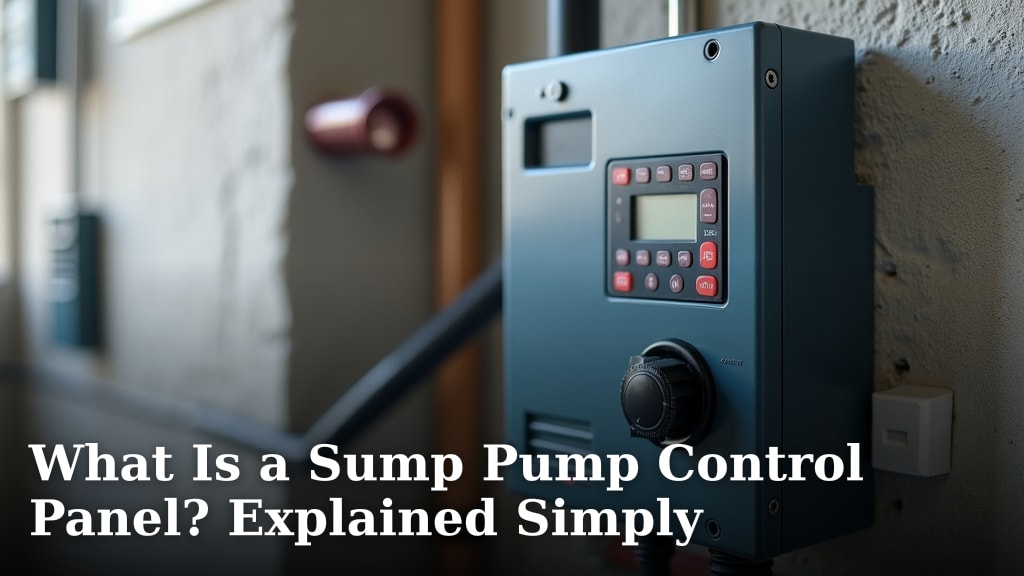
A sump pump control panel A sump pump control panel is the smart brain behind your basement’s dryness; learn if you need one. is the smart brain behind your basement’s dryness. It’s essentially a specialized electrical box that monitors your sump pump system. This panel tells the pump when to turn on and off based on water levels. It helps prevent basement flooding effectively.
Think of it as your pump’s watchful guardian. It does more than just switch the pump on and off. Many panels offer extra features like alarms or backup power connections. These help keep your basement safe even during power outages. It’s a key component for peace of mind.
- A sump pump control panel is the brain of your sump pump system.
- It monitors water levels and tells the pump when to work.
- It helps prevent basement flooding by managing the pump. The control panel manages the pump, which works with the discharge pipe to keep your basement dry.
- Many offer advanced features like alarms and backup power options.
- It’s an important part of keeping your basement dry and safe.
Let’s dive into what a sump pump control panel is and why it matters for your home’s protection. We’ll break down its functions and benefits.
You’ve got your sump pump, you’ve got your pit, but what actually tells that pump when to get to work? That’s where the sump pump control panel steps in. It’s the nerve center, the command station, the part that makes sure your basement stays dry without you having to lift a finger. Let’s break down what this essential component does.
Understanding Your Sump Pump’s Control System
A sump pump control panel is the smart device that manages your sump pump’s operation. It monitors the water level in your sump pit. When the water reaches a certain point, the panel signals the pump to turn on. Once the water level drops, it tells the pump to shut off.
How Does the Control Panel Know When to Act?
The magic happens through various types of switches and sensors. These are the eyes and ears of your control panel. They constantly check the water level in the sump pit. Here are some common ways it works:
- Float Switches: These are like a buoy in the water. As the water rises, the float rises with it. At a specific height, it triggers a mechanical or electrical switch. This is a very common and reliable method.
- Water Level Sensors: Some advanced panels use electronic sensors. These can detect the water’s presence and depth without a physical float. They often offer more precise control.
- Pressure Sensors: Less common for residential pumps, these sensors measure the pressure exerted by the water. This pressure changes with the water level.
Why Not Just Let the Pump Run Constantly?
You might wonder why the pump needs a brain at all. Why not just have it run periodically? Running the pump too often is bad for the system. It leads to unnecessary wear and tear on the motor. This can shorten the pump’s lifespan significantly. It also wastes electricity. The control panel ensures the pump only runs when it’s absolutely necessary. This saves energy and extends the pump’s life.
Components of a Sump Pump Control Panel
A typical control panel isn’t just a simple on/off switch. It’s a purpose-built electrical enclosure. It houses the components needed to safely and effectively operate your sump pump. Understanding these parts helps you appreciate its role.
The Main Enclosure
This is usually a sturdy, weather-resistant box. It protects the internal electrical components from moisture and dust. Keeping the electronics safe is key for reliable operation. Basements can be damp places, so this protection is vital.
The Power Supply and Wiring
The panel connects directly to your home’s electrical system. It receives the power needed to run the pump. It also contains wiring and connections to safely deliver that power. Proper wiring is essential to prevent electrical hazards. It also ensures the pump gets the correct voltage. Many experts stress the importance of professional installation for this part (Electrical Safety Foundation International).
The Control Mechanism (Switches/Sensors)
As we touched on, this is the core of the panel’s intelligence. It’s the part that detects the water level. Whether it’s a simple float or a more advanced sensor, its job is to signal the pump. The reliability of this mechanism directly impacts your home’s flood protection.
Indicator Lights and Alarms
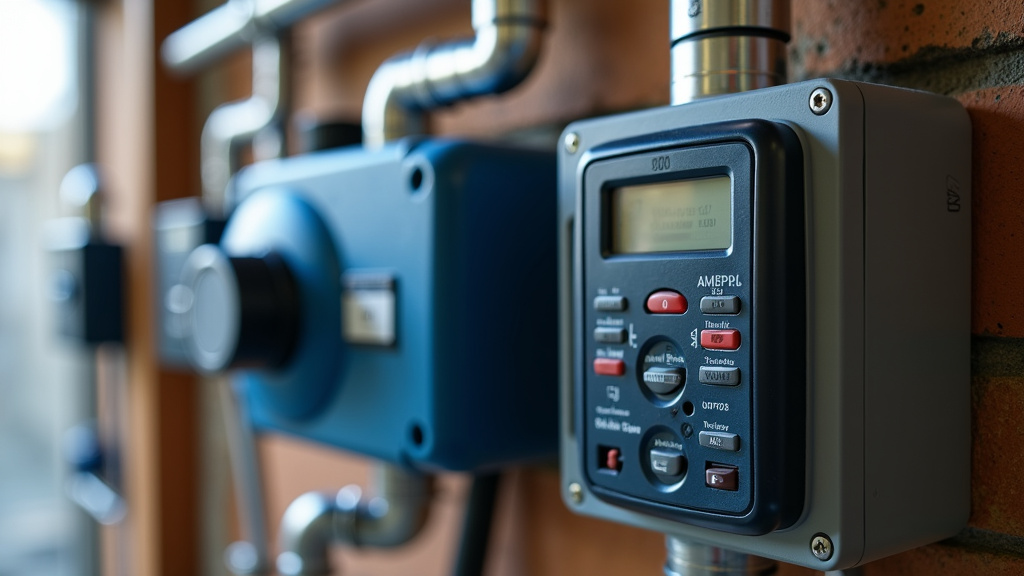
Many modern panels include indicator lights. These lights can show you if the system is powered, if the pump is running, or if there’s a fault. Some panels also have audible alarms. These sound off if the water level gets too high or if there’s a problem, like a power outage. This early warning can be a lifesaver.
Different Types of Sump Pump Control Systems
Not all sump pump control systems are created equal. The technology and features can vary quite a bit. Knowing the differences can help you choose the best option for your home.
Standard Float Switch Systems
This is the most basic and common setup. A mechanical float switch is attached to the pump or mounted on the discharge pipe. As the water rises, the float lifts. This actuates the switch, turning the pump on. When the water level drops, the float lowers, turning the pump off. They are generally very reliable.
Electronic and Sensor-Based Controls
These systems often offer more features. They might use different types of sensors to monitor water. Some advanced systems can even monitor pump performance. They can alert you to potential issues before they cause a problem. They are often found in more sophisticated sump pump setups.
Backup Sump Pump Control Panels
A primary sump pump is great, but what happens when the power goes out during a storm? This is where a backup system comes in. A backup control panel is designed to work with a secondary pump. This secondary pump often runs on battery power or a generator. The control panel manages the switch between the primary and backup pumps. It ensures your basement stays protected even during an outage.
Why a Dedicated Control Panel is Better Than a Simple Outlet
You might see some people plug their sump pump directly into a standard wall outlet. While this might seem like an easy fix, it’s generally not recommended. A dedicated control panel offers several advantages that a simple plug cannot match.
Safety Features
Control panels are built with safety in mind. They often have built-in overload protection. This helps prevent damage to the pump motor if it encounters a blockage or draws too much power. They also provide a much safer electrical connection in a damp environment. Many safety organizations stress that direct wiring to a GFCI outlet is a minimum safety requirement (Consumer Product Safety Commission).
Reliability and Longevity
Standard outlets are not designed for the heavy, intermittent load of a sump pump. A control panel is engineered for this specific task. It provides a more stable power supply. This can lead to a longer lifespan for your sump pump motor. It reduces the chance of the pump failing when you need it most.
Advanced Monitoring and Alerts
As mentioned, control panels can offer advanced monitoring. They can alert you to issues. A simple plug-and-play setup has no such capabilities. You wouldn’t know if the pump failed until you saw water in the basement. This early warning system is a major benefit.
Key Features to Look For in a Sump Pump Control Panel
When you’re looking to upgrade or replace your sump pump’s brain, keep these features in mind. They can make a big difference in performance and peace of mind.
Backup Power Options
This is a big one, especially if you live in an area prone to storms or power outages. A control panel that supports a battery backup or generator connection is highly recommended. It ensures your pump keeps working when you need it most.
High Water Alarms
An audible alarm is a fantastic feature. It will alert you if the water level in your sump pit reaches a critical point. This gives you time to react, whether it’s checking the pump or investigating the cause of the high water. Some systems can even send alerts to your phone.
System Status Indicators
Simple LED lights can tell you a lot. Lights indicating power, pump operation, and any error codes are incredibly helpful. They make troubleshooting much easier. You can quickly see if the system is functioning correctly.
Pump Run-Time Monitoring
Some advanced panels can track how long the pump has been running. This data can be useful for diagnosing problems. For instance, if the pump runs for a very long time to clear a small amount of water, it might indicate a clog or a failing pump. Many manufacturers suggest checking this periodically (Pump Manufacturer Association).
Think of the control panel as your basement’s silent guardian. It works behind the scenes, keeping an eye on things. Investing in a good control panel, especially one with backup features and alarms, is an investment in protecting your home and your peace of mind.
Checklist: Is Your Sump Pump Control Panel Up to Par?
Here’s a quick checklist to help you assess your current setup:
- Does your control panel have a backup power option (battery or generator)?
- Does it include a high-water alarm?
- Are there indicator lights that clearly show system status?
- Is the control panel housed in a protected, weather-resistant enclosure?
- Has your control panel been professionally installed and maintained?
- Does your current system seem reliable during heavy rain?
Conclusion
Your sump pump control panel is more than just a box; it’s your basement’s first line of defense against water damage. We’ve seen how it intelligently monitors water levels, activating your pump precisely when needed. This smart operation prevents the wear and tear of constant running, saving you energy and extending your pump’s life. Upgrading to a panel with features like backup power options and high-water alarms offers even greater peace of mind. Take a moment to assess your current setup. Ensuring your control panel is functioning correctly and has the right features is a vital step in protecting your home.
Frequently Asked Questions
What’s the difference between a float switch and a sensor control panel?
A float switch uses a physical buoy that rises with the water to trigger the pump. A sensor-based control panel uses electronic probes or other non-mechanical means to detect water levels. Float switches are generally simpler and very reliable, while sensors can offer more precise control and advanced features.
Can I just plug my sump pump into a regular outlet?
While it might seem like an easy solution, it’s generally not recommended. Regular outlets lack the safety features, like overload protection, found in dedicated control panels. They’re also not designed for the heavy, intermittent load of a sump pump, which can reduce the pump’s lifespan and pose safety risks in a damp environment.
How do I know if my sump pump control panel needs replacing?
Look for signs of damage to the enclosure, such as rust or cracks. If the indicator lights aren’t working, or if the pump runs erratically or not at all, it might be time for a replacement. Listen for unusual noises from the panel itself. Regular professional inspections are the best way to catch issues early.
What is the most important feature for a sump pump control panel?
The most important feature often depends on your location and risk factors. However, a backup power option (like a battery backup or generator connection) is highly recommended, especially in areas prone to power outages during storms. This ensures your pump continues to protect your basement even when the electricity is off.
Do I need a professional to install a sump pump control panel?
Yes, professional installation is strongly advised. Connecting a control panel to your home’s electrical system involves working with electricity, which can be dangerous if not done correctly. A qualified electrician will ensure the system is wired safely and meets all local building codes, preventing potential electrical hazards and ensuring reliable operation.