Can a Pedestal Sump Pump Get Wet? Quick Fixes
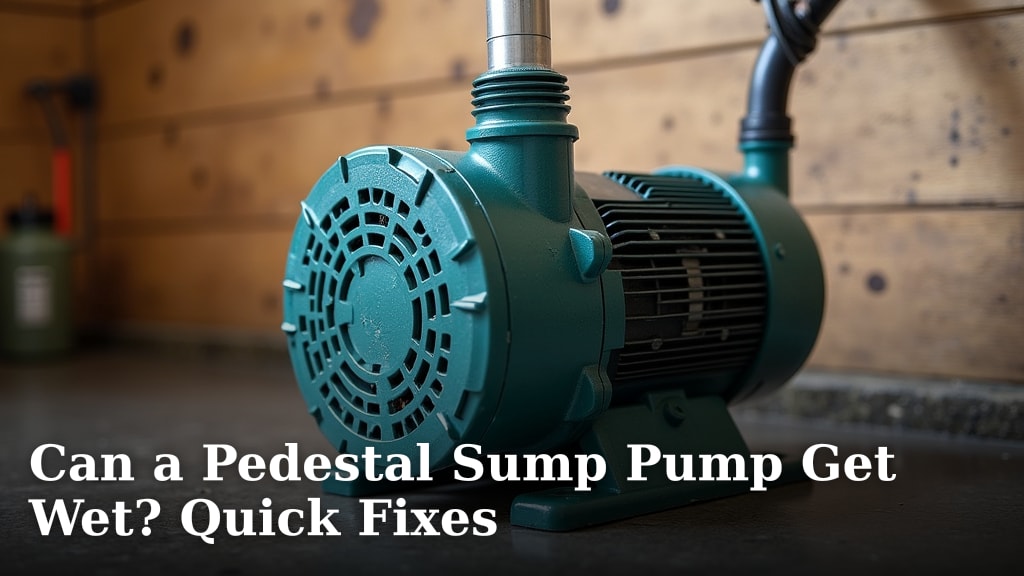
Yes, a pedestal sump pump can get wet, but it’s not ideal for its long-term health. While the motor itself is typically sealed, the pedestal and float switch are designed to operate outside the water. Constant submersion can lead to corrosion and damage to these components, potentially causing the pump to fail.
Understanding how your sump pump works is key to preventing trouble. Most pedestal pumps rely on a float that rises with the water level. This float activates a switch, sending power to the motor. Keeping the float switch clear and dry helps ensure it works when you need it most, preventing basement flooding.
- A pedestal sump pump can get wet, but it’s not good for it.
- The motor is usually sealed, but the pedestal and switch aren’t.
- Constant water exposure can cause rust and stop the pump.
- Keeping the float switch clean and dry is important for operation.
Let’s look at what to do if your pedestal sump pump is getting too much water and how to fix it.
When Your Pedestal Sump Pump Gets Too Wet
It’s a common worry: can a pedestal sump pump get wet? The short answer is yes, but it’s really not what they’re designed for. Think of it like a car engine. It has important parts that need protection from the elements. While the motor itself is usually built to be somewhat water-resistant, the rest of the pump isn’t.
The pedestal is the long rod connecting the motor to the float. The float switch is what tells the pump to turn on and off. These parts are typically meant to stay above the water line. If they’re constantly submerged, it can cause serious problems.
We’ll look at why this happens, what the risks are, and what you can do to fix it. Your goal is to keep your basement dry and your pump working its best. If you’re unsure if you need a sump pump, our guide explains how to tell.
Understanding How a Pedestal Sump Pump Works
Before we dive into fixing issues, let’s make sure we understand the basics. A pedestal sump pump has a motor that sits above the water level. A long rod, the pedestal, lowers down to a float. This float is like a bobber on a fishing line.
As the water level in your sump pit rises, the float rises with it. When the float reaches a certain height, it triggers a switch. This switch sends power to the motor, which then activates the pump to remove the water. Once the water level drops, the float goes down, and the switch turns the motor off.
This design helps protect the motor from being submerged in water. The motor is often sealed, but not waterproof. The pedestal and the float switch are the parts most likely to encounter water and suffer damage.
Why Is My Pedestal Sump Pump Getting Wet?
There are a few common reasons why your pedestal sump pump might be getting more wet than it should. It’s usually a sign that something isn’t quite right with the setup or the pump itself.
1. The Water Level Is Too High
The most obvious reason is that the water in your sump pit is rising too high. This could be due to heavy rainfall, a high water table, or a drainage issue. If the water level consistently reaches the motor, it’s a problem.
A properly sized sump pit should have enough capacity to hold water between pump cycles. If your pit is too small or the pump isn’t powerful enough, it can overflow.
2. Incorrect Float Switch Adjustment
The float switch needs to be set at the right height. If it’s set too low, the pump might not have enough time to drain the pit before the water level rises again. This can lead to the motor getting splashed or even submerged.
Conversely, if the float is set too high, the water might overflow the pit before the pump even turns on, causing potential damage to the surrounding area and the pump.
3. Pump Installation Issues
Sometimes, the problem lies in how the pump was installed. The pedestal might be too short, or the pump might be sitting too low in the pit. This can cause the motor to be closer to the water surface than it should be.
We found that many installation guides recommend a certain clearance between the motor and the expected water level. If this clearance isn’t maintained, the pump is at risk.
4. Float Switch Stuck or Damaged
The float itself can get stuck. If it’s jammed against the side of the pit or other debris, it might not rise and fall freely. This can cause the pump to run constantly or not at all. If it’s stuck in a position where the water level is high, the motor could be exposed.
Debris in the pit is a common culprit for a stuck float. Rust or wear on the switch mechanism can also cause issues.
Consequences of a Wet Pedestal Sump Pump
Allowing your pedestal sump pump to get wet isn’t just an aesthetic issue; it can lead to actual damage and costly repairs. The components that aren’t meant to be submerged will suffer.
Corrosion and Rust
The metal parts of the pedestal and the float switch are susceptible to rust. Constant exposure to water, especially standing water, can accelerate this process. Rust weakens the metal and can cause parts to seize up or break.
We found that even water-resistant coatings can be compromised over time by constant submersion. This leads to early wear and tear on these vital components.
Electrical Problems
Water and electricity are a dangerous mix. While the motor is designed with some protection, constant moisture can eventually find its way into electrical connections. This can lead to short circuits, corrosion of contacts, and ultimately, pump failure.
The float switch itself contains electrical contacts. If these get wet and corroded, the switch may not work reliably, leaving you unprotected against flooding.
Reduced Lifespan and Failure
All these issues – corrosion, electrical problems, and general wear – contribute to a shorter lifespan for your sump pump. A pump that’s constantly battling excess water or suffering from submersion is under stress.
Eventually, these problems can lead to the pump failing completely. This is usually when you discover the issue, often during a heavy rainstorm when you need it the most.
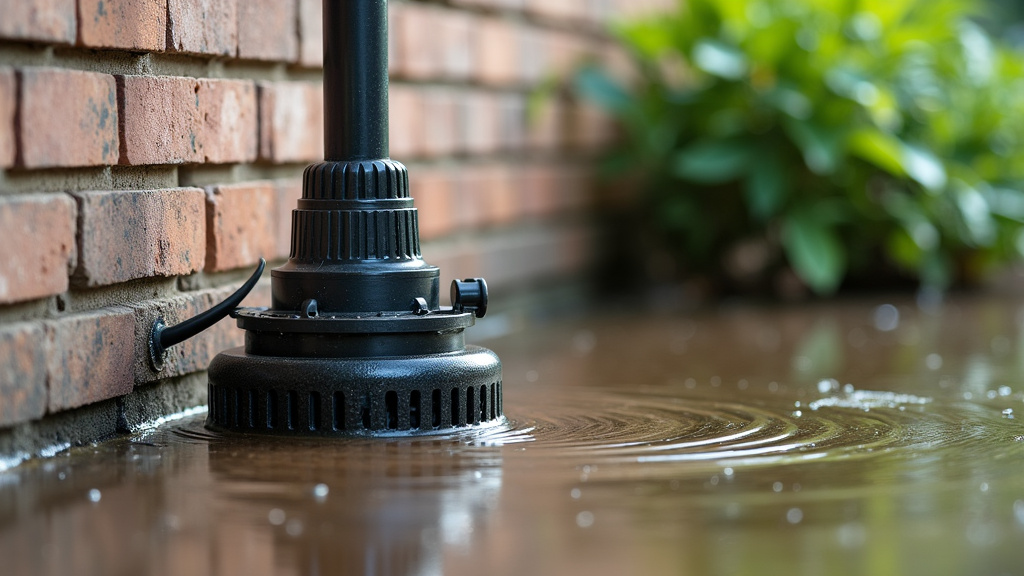
Quick Fixes: What You Can Do Now
Don’t panic! If you notice your pedestal sump pump getting too wet, there are several things you can do to address the situation. Some are simple adjustments, while others might require a bit more work.
1. Check and Adjust the Float Switch
This is often the easiest fix. Carefully examine how the float switch is positioned. Is it hanging freely? Is it getting caught on anything? Many float switches can be adjusted up or down the pedestal. You might need to loosen a clamp or screw to reposition it.
We recommend adjusting the float so that the pump turns on when the water level is a few inches below the motor. Ensure there’s enough clearance. A good rule of thumb is to have at least 4-6 inches of clearance between the motor and the highest expected water level (Mayo Clinic).
2. Clear Debris from the Sump Pit
Debris is a major enemy of sump pumps. Small rocks, dirt, and other junk can accumulate at the bottom of the pit. This debris can impede the float’s movement or even block the pump’s intake.
Use a bucket or wet/dry vacuum to carefully remove any buildup. Be sure to wear gloves and eye protection. A clean pit helps everything operate smoothly.
3. Install a Sump Pump Bag or Liner
If your pit is particularly prone to debris or if the water seems to be churning up the bottom, consider a sump pump liner. This is a perforated bag that the pump sits in. It helps to keep debris away from the pump and the float switch.
Some users have found that a simple, large mesh bag can work wonders. Ensure it doesn’t restrict water flow into the pit.
4. Raise the Pump (If Possible)
If your pump is sitting too low in the pit, you might be able to elevate it. You can use sturdy, non-corrosive blocks or a dedicated sump pump stand. This creates more space between the pump motor and the water level.
Make sure whatever you use is stable and won’t shift. You don’t want the pump to become unstable.
When to Consider Upgrades or Professional Help
Sometimes, quick fixes aren’t enough. If you’ve tried the above steps and your pump is still getting too wet, or if you suspect more serious damage, it might be time for bigger solutions.
1. Is the Sump Pit the Right Size?
If your sump pit is constantly overflowing, it might simply be too small for your home’s drainage needs. In some cases, you might need to have a larger pit installed or additional drainage solutions implemented around your home.
This is a more involved project, often requiring professional assessment and installation. It’s worth considering if you have persistent water issues.
2. Consider a Submersible Sump Pump
If your pedestal pump setup is consistently problematic, you might want to switch to a submersible sump pump. These pumps have the motor sealed and housed within the pump body, designed to be fully submerged in water. They are generally quieter and less visible.
We found that submersible pumps are a great option for homes that experience very high water levels or have smaller sumps. They eliminate the concern of the motor getting wet.
3. Call a Professional Plumber or Basement Waterproofing Expert
If you’re uncomfortable making adjustments, suspect electrical issues, or if the problem persists, it’s always best to call in a professional. They can properly diagnose the issue, check for hidden damage, and recommend the best course of action.
They have the tools and experience to assess your specific situation and ensure your basement stays dry. Many experts advise consulting a professional if you notice any unusual noises or if the pump seems to be struggling (The Spruce).
Maintenance Checklist for Your Pedestal Sump Pump
A little regular maintenance goes a long way in preventing issues like your pedestal sump pump getting too wet. Here’s a quick checklist:
- Test the pump monthly: Pour water into the pit to check if it turns on and pumps effectively.
- Clean the sump pit annually: Remove any accumulated debris.
- Inspect the float switch: Ensure it moves freely and isn’t obstructed.
- Check the discharge pipe: Make sure it’s clear and not leaking.
- Listen for unusual noises: Grinding or humming can indicate problems.
- Examine the pump for rust or corrosion: Pay attention to the pedestal and switch.
Conclusion
You’ve learned that while a pedestal sump pump isn’t designed for constant submersion, it can get wet. The key is to catch it early and take action. Keeping the float switch clear and the motor away from the water line prevents rust and electrical issues. Simple adjustments and regular cleaning can go a long way. If problems persist, don’t hesitate to consider an upgrade or call a professional. Your next step is to check your sump pit and pump this week to ensure everything is operating smoothly and prevent future headaches.
Frequently Asked Questions
What happens if the pedestal sump pump motor gets wet?
If the motor housing gets wet, it can lead to electrical shorts and corrosion. While motors are often sealed, constant exposure can compromise this seal. This can shorten the pump’s lifespan and eventually cause it to fail completely.
How often should I clean my sump pit?
We recommend cleaning your sump pit at least once a year. This removes debris that can clog the pump or interfere with the float switch. Regular cleaning helps ensure your pump runs efficiently and prevents the motor from being unnecessarily exposed to water.
Can I extend the pedestal on my sump pump?
Yes, you might be able to raise the pump by using a sturdy, non-corrosive stand or blocks. This creates more clearance between the motor and the water level. Ensure whatever you use is stable and won’t cause the pump to tip over.
What’s the difference between a pedestal and submersible sump pump?
A pedestal sump pump has its motor located above the water on a long rod, with only the intake and float submerged. A submersible sump pump has its motor sealed inside the pump body, designed to operate fully underwater. Submersible pumps are generally quieter and less visible.
How can I tell if my float switch is working correctly?
You can test your float switch by carefully pouring water into the sump pit. Watch to see if the float rises and triggers the pump to turn on. Make sure the float moves freely without getting stuck on debris or the pit walls.