How Does a Sump Pump Work Diagram? In Plain Terms
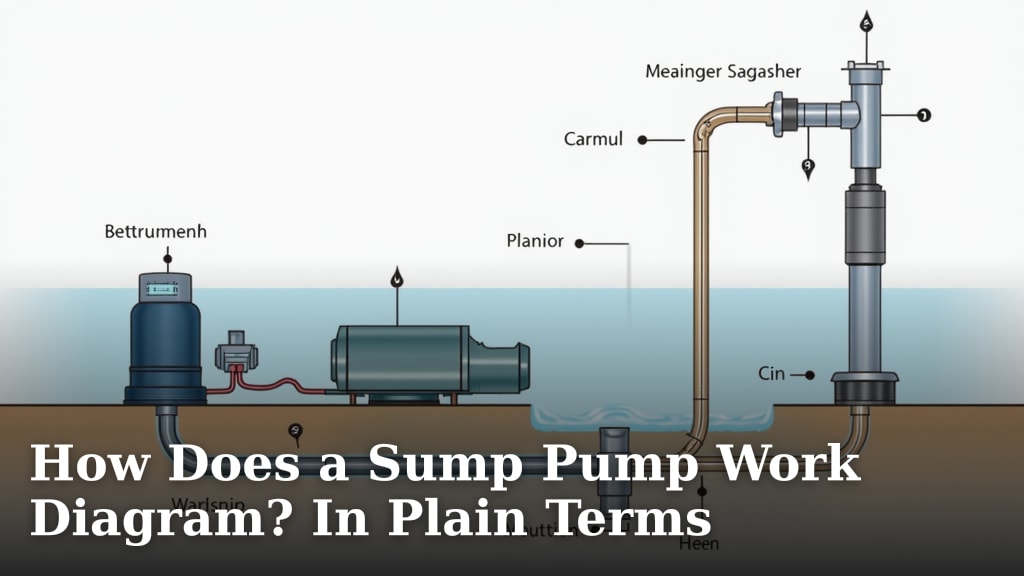
A sump pump works by collecting excess water in a pit, or “sump,” and then automatically pumping it away from your home’s foundation. It’s a simple but effective way to prevent basement flooding during heavy rain or snowmelt. Think of it as your home’s little drain helper.
Understanding how your sump pump diagram works can ease your mind about basement water. This system is designed to keep your lowest living spaces dry and prevent costly water damage. Many homeowners find peace of mind knowing this defense is in place.
- A sump pit collects water near your foundation.
- A float switch activates the pump when water rises.
- The pump pushes water out and away from your house.
- This prevents basement flooding and protects your home. If you’re unsure, this guide explains if you need a sump pump for your home.
Let’s break down the diagram and see exactly how your sump pump keeps your basement dry.
Understanding Your Sump Pump’s Diagram: A Simple Guide
You’re probably wondering exactly how this little device keeps your basement dry. It’s simpler than you might think! A sump pump’s diagram shows a straightforward system designed to manage water. It works by collecting water and then expelling it away from your home’s foundation. Let’s look at the main parts and how they team up.
The Core Components: What’s Inside the Diagram?
When you see a sump pump diagram, you’re essentially looking at a system with a few key players. Each part has a specific job. Together, they create a reliable defense against basement flooding. We’ll break down each component so you can picture it working in your home.
The Sump Pit: The Water’s First Stop
First, you’ll notice the sump pit on any diagram. This is a hole dug in your basement floor. It’s usually made of plastic or concrete. Its sole purpose is to act as a collection basin for groundwater. Think of it like a small, dedicated well in your basement. Any water that seeps into your foundation or basement floor drains into this pit. It’s the first line of defense, gathering all the water before it can spread.
Size Matters for the Sump Pit
The size of the sump pit can vary. Larger pits can hold more water. This means the pump won’t have to cycle as often. This can extend the life of your pump. Many standard pits are about 18 inches wide and 24 inches deep. You can sometimes find larger or custom-sized pits depending on your home’s needs.
The Sump Pump: The Workhorse of the System
At the heart of the system is the sump pump itself. This is a submersible or pedestal pump. It sits inside the sump pit. Its job is to sense when the water level gets too high and then pump the water out. Most sump pumps are electric. They’re designed to be submerged in water without causing damage to the motor.
Submersible vs. Pedestal Pumps
You’ll often see two main types of pumps in diagrams: submersible and pedestal. Submersible pumps sit directly at the bottom of the pit, fully immersed in water. They are generally quieter and less visible. Pedestal pumps have the motor on top, with a long shaft extending down into the pit. They are often easier to access for maintenance but can be noisier. Both types effectively do the same job: moving water.
The Impeller: Making the Magic Happen
Inside the pump, there’s an impeller. This is a rotating component with blades. When the pump motor turns on, it spins the impeller. The spinning action creates centrifugal force. This force pushes the water up and out of the pump. It’s the engine that drives the water out of your basement and away from your home’s foundation. Many experts agree this is the most vital internal part (National Kitchen & Bath Association).
The Float Switch: The Brains of the Operation
How does the pump know when to turn on? That’s where the float switch comes in. You’ll see this connected to the pump in every diagram. It works much like the float in your toilet tank. As the water level in the sump pit rises, it lifts the float. When the float reaches a certain height, it triggers a switch. This switch activates the sump pump. When the water level drops, the float lowers. This deactivates the pump.
Different Types of Float Switches
There are a few variations of float switches. The traditional vertical float switch is common. It moves up and down on a rod. Some newer models use tethered float switches. These are attached to the side of the pump. They swing with the water level. Diaphragm float switches are also used. They rely on water pressure to activate. No matter the type, their function is the same: to control the pump’s operation based on water level.
The Discharge Pipe: Sending Water on Its Way
Once the pump has done its job and pushed the water, where does it go? The discharge pipe is the answer. This pipe carries the water from the sump pump. It directs the water far away from your home’s foundation. This is crucial. If the water is discharged too close, it can just seep back into your foundation. Diagrams usually show this pipe exiting the house and directing water towards a storm drain, a dry well, or a lower part of your yard.
Backwater Valves: A Small But Important Detail
You might also see a backwater valve shown on the discharge pipe. This is a one-way valve. It prevents water from flowing back into the sump pit. This is important. It ensures that once the water is pumped out, it stays out. It’s a simple addition that adds reliability to the system. Research by plumbing associations indicates these valves are highly recommended for preventing backflow issues (Plumbing Manufacturers International).
Putting It All Together: A Step-by-Step Flow
Let’s trace the journey of water through your sump pump system. It’s like a mini water adventure, but one that keeps your basement safe and dry! This step-by-step process is what protects your home.
- Water Accumulation: Groundwater or surface water seeps into the soil around your foundation. It finds its way to the sump pit, filling it up.
- Float Switch Activation: As the water level rises in the pit, it lifts the float switch.
- Pump Engagement: The elevated float switch triggers the sump pump motor to turn on.
- Water Pumping: The pump’s impeller spins, drawing water into the pump and pushing it up through the discharge pipe.
- Water Diversion: The discharge pipe carries the water away from your home, typically to a municipal storm drain or a safe drainage area on your property.
- System Deactivation: As the water level in the pit drops, the float switch lowers. This signals the pump to turn off, waiting for the next accumulation.
Visualizing the System: A Simple Diagram Breakdown
Imagine you’re looking at a cross-section of your basement floor. You’d see the sump pit dug into the ground. Inside it sits the sump pump. A power cord connects the pump to your home’s electrical system. A discharge pipe, usually made of PVC, rises from the pump. It then exits the house through a wall. The float switch is positioned so it rises with the water. This diagram shows a self-contained system designed for one job: flood prevention.
Here’s a quick look at what a basic diagram would show:
| Component | Function |
|---|---|
| Sump Pit | Collects rising water. |
| Sump Pump | Motor and impeller that moves water. |
| Float Switch | Activates pump when water is high. |
| Discharge Pipe | Carries water away from home. |
| Check Valve (Optional) | Prevents water from flowing back. |
Why Understanding the Diagram Matters for You
Knowing how your sump pump works can give you peace of mind. When you understand the diagram, you can spot potential issues. You’ll know what to look for if the pump isn’t working correctly. It helps you communicate with service professionals too. You can describe the problem more clearly. Many homeowners find that a little knowledge goes a long way in maintaining their home’s safety. Protecting your home from water damage is a smart move. According to the Insurance Information Institute, water damage can lead to significant repair costs.
Checklist: Key Takeaways for Your Sump Pump Knowledge
Here’s a quick rundown of the most important things to remember about your sump pump’s system:
- The sump pit is the collector for all incoming water.
- The sump pump is the device that physically moves the water.
- The float switch acts as the automatic on/off mechanism.
- The discharge pipe ensures water is sent far away from your home.
- Regular checks can prevent costly water damage.
- Understanding the diagram helps with troubleshooting.
Conclusion
You’ve now seen how a sump pump diagram shows a simple, effective system. Your sump pump’s pit, pump, float switch, and discharge pipe all work together. They protect your home from basement flooding. Understanding these parts means you can better maintain your system. This knowledge gives you peace of mind. Next time you hear your pump run, you’ll know exactly what it’s doing to keep your basement dry and safe. Take a moment to locate your sump pump system this week and ensure it’s clear and ready for action.
Frequently Asked Questions
How often should my sump pump run?
Your sump pump’s running frequency depends on rainfall and your home’s drainage. If it runs every few minutes for extended periods, you might have a problem. If it never runs, it might not be needed, or it could be failing. A good system cycles on and off as needed to keep the pit level down. Learn about the sump pump’s running frequency and what it means for your home.
What happens if the power goes out during heavy rain?
If the power goes out, your sump pump will stop working. This is when basement flooding can occur. Many homeowners install a battery backup sump pump system. This backup kicks in automatically if the main power fails, offering continuous protection.
Can a sump pump discharge pipe freeze in winter?
Yes, the discharge pipe can freeze, especially if water is left in it or if it’s not properly sloped away from the house. A frozen pipe will prevent the pump from discharging water, potentially leading to flooding and pump damage. Ensure your discharge line is clear and has a way for any residual water to drain out.
How do I know if my sump pump is failing?
Signs of a failing sump pump include a pump that runs constantly, doesn’t turn on at all, or makes strange noises. You might also notice water pooling around your foundation or in your basement when it shouldn’t be. Regular testing can help you catch issues early.
Do I need a check valve on my sump pump?
A check valve, often called a backwater valve, is highly recommended. It’s a simple device that allows water to flow out but prevents it from flowing back into the sump pit when the pump turns off. This keeps the pit from refilling and reduces wear on the pump.