Pedestal vs Submersible Sump Pump: Explained
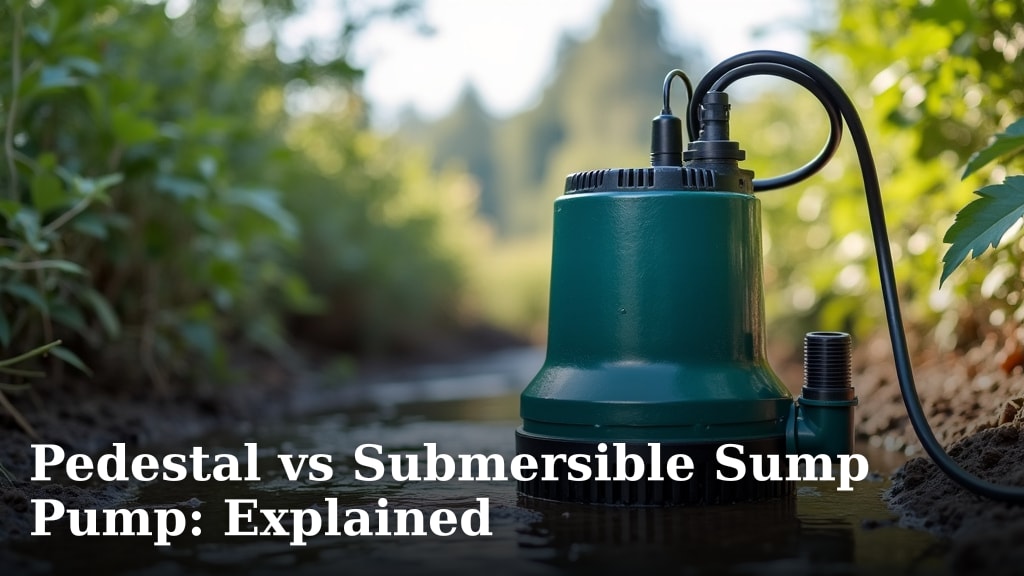
When facing a flooded basement, understanding your sump pump options is key. A When facing a flooded basement, understanding your sump pump options is key, and our guide can help you determine if you need a sump pump.pedestal sump pump sits above the water in your basement, with a long shaft reaching down. A submersible sump pump, on the other hand, is completely enclosed and sits directly in the water it pumps out. Both are designed to remove water, but they work differently.
Choosing between a pedestal and submersible sump pump often comes down to your specific basement setup and water removal needs. While pedestal pumps are typically easier to access for maintenance and can be more affordable upfront, submersible pumps are generally quieter and last longer because they run cooler. We found that many homeowners prefer submersible models for their durability.
- Pedestal pumps are mounted above the water.
- Submersible pumps are fully enclosed and sit in water.
- Pedestal pumps are often cheaper and easier to service.
- Submersible pumps are quieter and can last longer.
- Your choice depends on basement space and budget.
Let’s break down the differences between pedestal and submersible sump pumps so you can make the best choice for your home.
When water starts creeping into your basement, a sump pump becomes your best friend. But not all sump pumps are created equal. You’ve likely heard of two main types: pedestal and submersible. They both do the same job—moving water out—but they do it in very different ways. Understanding these differences is key to picking the right one for your home’s needs.
Understanding Your Sump Pump Options: Pedestal vs. Submersible
Your basement’s health depends on keeping water out. Knowing the differences between pedestal and submersible sump pumps will help you make a smart choice for your home.
How a Pedestal Sump Pump Works
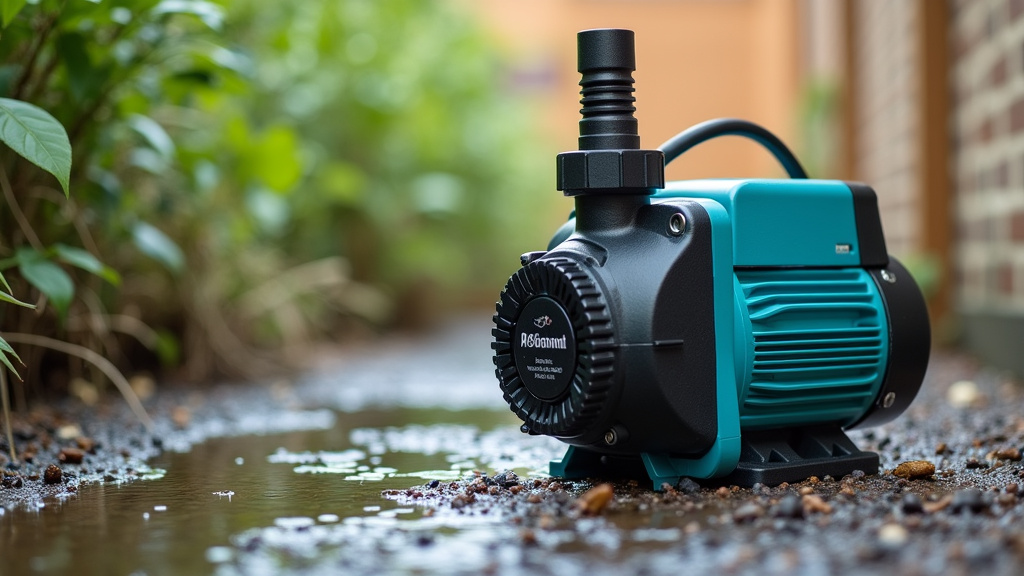
Imagine a sturdy tower reaching down into your basement floor. That’s kind of like a pedestal sump pump. The motor sits high and dry, mounted on a pedestal above the water level. A long shaft connects the motor to an impeller at the bottom. When water rises, the float activates the motor. The spinning impeller pushes water up and out through a discharge pipe. The spinning impeller pushes water up and out through a discharge pipe, which is crucial for removing water from your home.
Pedestal Pump Placement and Operation
Because the motor is above the water, it’s easier to access. This makes maintenance and repairs simpler. You don’t have to pull a heavy, wet pump out of a pit. This type is a good choice if you have limited space for a large pit or if you want something that’s generally less expensive upfront. We found that many homeowners appreciate this accessibility.
Pros and Cons of Pedestal Pumps
The main benefit is the ease of access for maintenance. It’s also typically more budget-friendly when you first buy it. However, the motor is exposed, which can make it noisier when it runs. Also, the exposed motor can be more prone to dust and debris. Some research suggests they might not last as long as their submersible counterparts because the motor can run hotter.
How a Submersible Sump Pump Works
Now, picture a sleek, sealed unit sitting right down in the water. That’s a submersible sump pump. The entire pump, motor and all, is enclosed in a waterproof housing. It sits at the bottom of your sump pit. When the water level rises, it activates the pump, and the unit quietly does its job.
Submersible Pump Design and Advantages
The sealed design offers several advantages. For starters, they are much quieter because the water surrounding the pump acts as a sound dampener. We found this to be a significant factor for many homeowners. The pump also stays cooler because it’s submerged in water, which helps it last longer. Many experts say this cooling effect contributes to a longer lifespan.
Pros and Cons of Submersible Pumps
Submersible pumps are generally more durable and have a longer operational life. Their quiet operation is a big plus. However, they can be more expensive to purchase initially. Maintenance can also be a bit more involved because you have to pull the entire unit out of the pit, which can be heavy and messy.
Key Differences: A Direct Comparison
Let’s look at how these two types stack up against each other side-by-side. This should help you see which one might be a better fit for your specific basement situation.
Installation and Maintenance Needs
When it comes to getting them set up and keeping them running, there are clear distinctions. Pedestal pumps are often considered easier to install because the motor is separate from the pit. Maintenance is also simpler, as you can often access the motor and float switch without removing the whole pump. For submersible pumps, installation involves placing the entire unit in the pit. While maintenance is generally minimal, when it is needed, it’s a bit more involved due to the pump’s location.
Noise Levels and Basement Environment
Do you want a quiet basement or one that sounds like a small engine is running? That’s often the deciding factor. Pedestal pumps can be quite noticeably loud because the motor is exposed and running above the water. Submersible pumps are much quieter. The water surrounding the pump muffles the sound, making them a better choice for finished basements or if noise is a concern. We found that a quieter operation is highly desirable for many homeowners.
Lifespan and Durability Considerations
How long will your pump last? This is where submersible pumps often take the lead. The fact that they are water-cooled helps prevent the motor from overheating. This consistent cooling can lead to a longer service life. Pedestal pumps, with their exposed motors, can be more susceptible to overheating, potentially shortening their lifespan if not properly managed. Many industry sources suggest submersible pumps generally have a longer operational life.
Cost: Upfront vs. Long-Term
Your budget plays a big role. Generally, pedestal sump pumps have a lower initial purchase price. This can make them an attractive option for those on a tighter budget. Submersible sump pumps tend to have a higher upfront cost. However, when you consider their potentially longer lifespan and durability, the long-term cost of ownership for a submersible pump might actually be lower for some households. It’s worth thinking about the total investment over time.
Performance and Water Removal Capacity
Both types are designed to remove water effectively. The actual performance often depends on the specific model’s horsepower and design, not just whether it’s pedestal or submersible. However, submersible pumps are often favored for their ability to run for longer periods due to their cooling system. This can be important in areas prone to frequent flooding or heavy rainfall. Some sources suggest that submersible pumps may be able to handle tougher jobs more efficiently.
Which Sump Pump is Right for Your Home?
Choosing between the two types isn’t a one-size-fits-all decision. It really comes down to your basement’s unique features and your priorities. Let’s consider some common scenarios to help you decide.
When a Pedestal Pump Might Be Your Best Bet
If you’re looking for a cost-effective solution and easy maintenance is a priority, a pedestal pump could be ideal. They are great if your sump pit is shallow or if you anticipate needing to access the pump for repairs or cleaning regularly. For example, if you’re in a drier climate with only occasional water issues, a pedestal pump can offer reliable protection without a large initial investment. Many DIYers find them simpler to work with.
When a Submersible Pump is Often Preferred
If your basement is prone to frequent flooding or if you value a quieter operation, a submersible pump is likely the better choice. Their durability and longer lifespan make them a solid investment for homes in areas with high water tables or heavy rain. A submersible pump is also a great option for finished basements where noise is a concern. Think of it as a set-it-and-forget-it solution that runs reliably in the background.
A Quick Checklist for Your Decision
To help you sort through your options, consider these points:
- Does your sump pit have enough space for a submersible pump?
- How much water do you typically expect to deal with?
- Is a lower upfront cost more important than long-term durability?
- How much noise can your household tolerate?
- How comfortable are you with basement maintenance tasks?
- Is your basement finished or unfinished?
| Feature | Pedestal Sump Pump | Submersible Sump Pump |
|---|---|---|
| Motor Location | Above water, mounted on a pedestal | Inside the pump, fully enclosed in water |
| Noise Level | Louder | Quieter |
| Maintenance Access | Easier | More involved |
| Lifespan | Potentially shorter (can overheat) | Potentially longer (water-cooled) |
| Upfront Cost | Generally lower | Generally higher |
| Ideal For | Shallow pits, budget-conscious, frequent access needs | Deep pits, frequent flooding, quiet operation desired, long-term investment |
Conclusion
You’ve learned the core differences between pedestal and submersible sump pumps. Pedestal pumps offer easier access and lower upfront costs, making them a practical choice for many homeowners. Submersible pumps, on the other hand, provide quieter operation and potentially longer lifespans due to their sealed, water-cooled design. Consider your basement’s specific conditions, your budget, and how much noise you can tolerate. The best pump for your home balances these factors to give you reliable water protection.
Your next step is to assess your sump pit and basement needs. Measure your pit dimensions and think about how often you experience water issues. This will help you make the right choice to keep your basement dry and secure.
Frequently Asked Questions
How often should I maintain my sump pump?
You should test your sump pump every few months, especially before the rainy season. Check for any debris around the impeller and ensure the float switch moves freely. Regular checks can prevent major issues and extend your pump’s life.
Can a pedestal sump pump get wet?
The motor of a pedestal sump pump is designed to stay above the water level. While the shaft and impeller will be submerged, the motor itself should not get wet. This is a key design feature that keeps the motor safe and accessible.
Are submersible sump pumps truly silent?
Submersible sump pumps are significantly quieter than pedestal models, but not completely silent. The water surrounding the pump muffles the motor’s sound, creating a much more peaceful basement environment. You might still hear a gentle hum when it’s running.
Which type of sump pump is better for a finished basement?
For a finished basement, a submersible sump pump is usually the preferred choice. Its quiet operation means less disruption, and its sealed design is often considered more aesthetically pleasing if the pump area is visible. You get effective water protection without the noise.
Do sump pumps use a lot of electricity?
Sump pumps only use electricity when they are actively pumping water. The amount of electricity used depends on the pump’s horsepower and how long it runs. Most standard sump pumps are energy-efficient and don’t significantly impact your electricity bill unless they run constantly.