What Happens When a Sump Pump Turns On? A Clear Answer
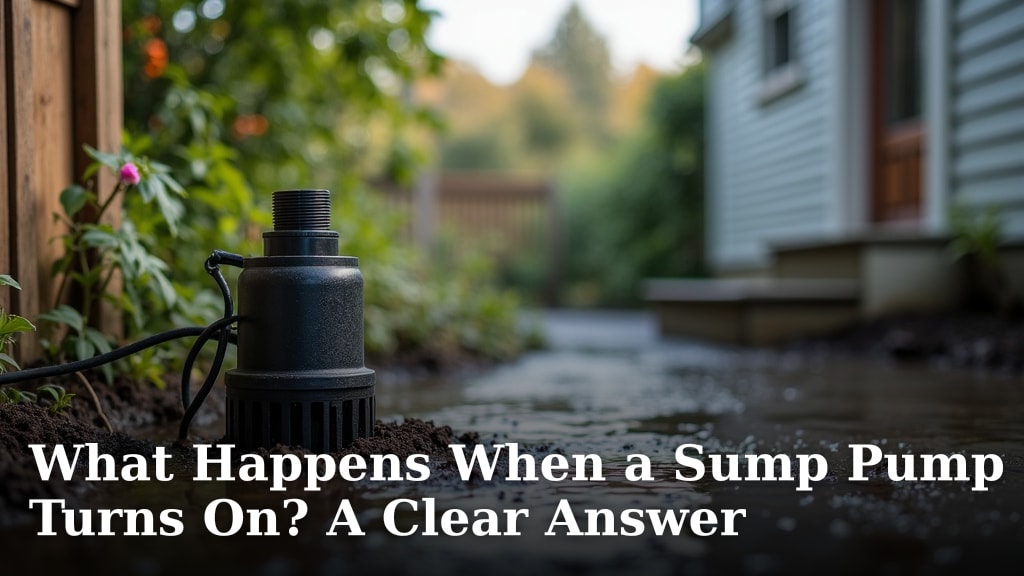
When your sump pump turns on, it means your home’s drainage system is actively working to keep your basement dry. It kicks into action when water levels rise above a certain point, usually detected by a float switch. This process is your first line of defense against basement flooding.
This pump is designed to handle excess water that collects around your foundation. It pulls this water into the sump pit and then pumps it away from your home. Understanding this cycle helps you appreciate your home’s built-in flood protection.
- Sump pumps prevent basement water buildup.
- They activate automatically when water levels are high.
- The pump moves water away from your foundation.
- This protects your home from flooding damage.
Let’s walk through exactly how this simple yet important system works to protect your home from water damage.
Understanding Your Sump Pump’s Job When It Activates
When that tell-tale hum starts up, your sump pump is doing its most important work. It’s a vital part of your home’s defense against water. This system is designed to quietly protect your basement from becoming a swimming pool. Let’s break down exactly what happens when your sump pump springs into action.
The Trigger: When Water Levels Rise
Your sump pump doesn’t just run all the time. It has a specific job to do, and it only starts when conditions are right. Think of it as a vigilant guardian for your home’s lowest levels.
The Role of the Sump Pit
The heart of the system is the sump pit. This is a hole dug into your basement floor or the lowest part of your crawl space. It’s usually a basin or a liner that collects water. This water can come from several sources, including groundwater, heavy rain, or snowmelt.
Rainwater and groundwater naturally seep into the soil around your foundation. Your home’s foundation typically has a drainage system. This system, often called a French drain or footing drain, directs this water towards the sump pit. The pit acts as a collection point, holding the water until it reaches a certain level.
The Float Switch: Your Pump’s Brains
How does the pump know when to turn on? That’s where the float switch comes in. You’ve probably seen something similar on a toilet tank. It’s a device that rises and falls with the water level.
When the water in the sump pit rises high enough, it lifts the float. This lifting action pulls a lever or activates a sensor. This sensor then sends a signal to the sump pump’s motor. It’s a simple, reliable mechanism that ensures the pump activates only when needed. Many modern pumps use an electronic sensor instead of a traditional float, but the principle is the same: detect high water and turn on.
The Pumping Process: Water Away We Go!
Once the float switch signals the pump, the real work begins. It’s a straightforward process designed to move water efficiently and quickly.
Motor Activation and Water Intake
When the float switch triggers the pump, electricity flows to the motor. This motor spins an impeller, which is like a propeller inside the pump. The spinning impeller creates a low-pressure area. This low pressure sucks water from the sump pit into the pump casing.
The pump is designed to sit at the bottom of the pit. This placement ensures it can capture as much water as possible. Some pumps are submersible, meaning they sit directly in the water. Others are pedestal pumps, with the motor mounted above the pit and a long shaft reaching down.
Discharge Through the Pipe
After the water is drawn into the pump, the impeller forces it out through a discharge pipe. This pipe leads away from your home. It’s crucial that this pipe is properly routed. It needs to send the water a safe distance from your foundation.
A common guideline is to discharge water at least 20 feet away from your house. This prevents the water from simply flowing back towards your foundation. The pipe is typically a PVC pipe that goes upwards and then horizontally out of your home. You might see an exit point near your yard or sidewalk.
Some discharge pipes have a check valve. This is a one-way valve. It prevents water from flowing back down the pipe into the sump pit when the pump turns off. This keeps the pit from refilling immediately and ensures the pump works efficiently.
What Happens When the Water Level Drops?
The sump pump doesn’t run forever. Its job is to lower the water level in the pit. Once it achieves this, it turns itself off, waiting for the next cycle.
The Float Switch Reaches Its Lowest Point
As the pump removes water from the pit, the water level steadily drops. The float switch, attached to the pump or a separate mechanism, also lowers with the water. When the water reaches a pre-set low level, the float switch disengages. This is the signal that tells the pump motor to stop.
It’s a self-regulating system. The pump works until the threat is gone, then it rests. This prevents the pump from running dry, which could damage the motor. It also conserves energy.
Common Scenarios That Activate Your Sump Pump
Several conditions can lead to your sump pump needing to work. Understanding these helps you appreciate its importance.
Heavy Rainfall and Storms
This is perhaps the most common trigger. When it rains heavily for an extended period, the soil around your foundation becomes saturated. This excess water needs somewhere to go. Your home’s drainage system directs it to the sump pit, and if the pit fills up, the pump activates.
Snowmelt
In regions with cold winters, snowmelt can be a significant source of water. As the snow melts, the water soaks into the ground. This water can then make its way to your sump pit. This is why many homeowners find their sump pump running frequently in the spring, even without rain.
High Water Table
Some areas naturally have a high water table. This means the groundwater level is close to the surface. In these locations, the sump pump may run more often, even during dry periods, to manage the constant presence of groundwater. We found that in some geological areas, consistent operation is expected and entirely normal (U.S. Geological Survey).
Hydrostatic Pressure
When soil around your foundation becomes saturated, it creates hydrostatic pressure. This is the pressure exerted by standing water. This pressure can force water through cracks in your foundation walls or floor. This water then enters your basement and is collected by your sump pump system.
What to Listen For: Signs Your Pump is Working
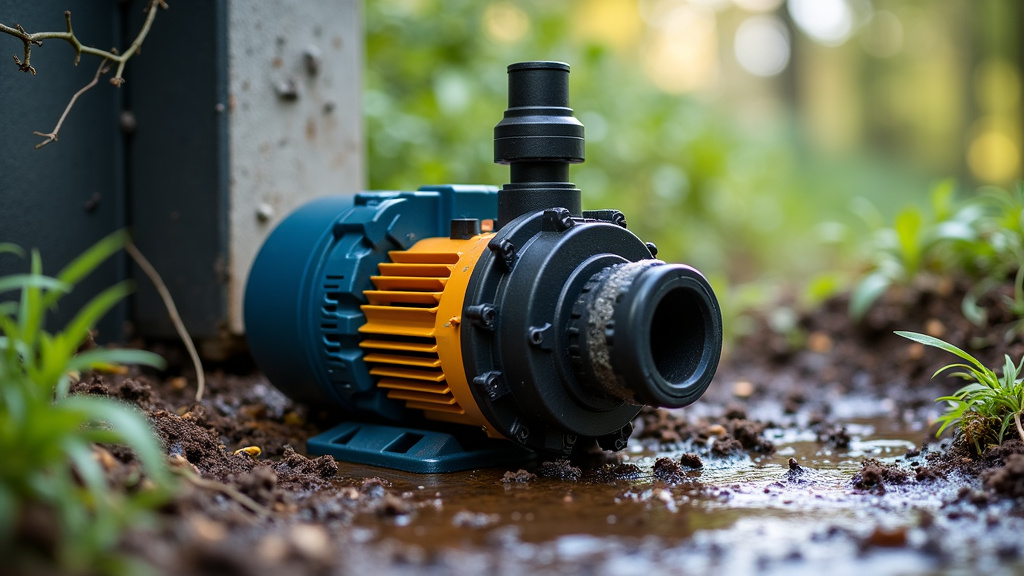
You won’t always see your sump pump working, as it’s usually in a hidden pit. However, you can often hear it. A typical sump pump cycle involves a low hum or vibration as the motor kicks in. You might also hear the sound of water being drawn into the pump and then gurgling as it’s pushed through the discharge pipe.
The duration of the cycle depends on how much water needs to be pumped. It could be a few minutes or longer during a heavy downpour. The important thing is that it starts, pumps, and then stops. A sump pump that runs continuously or doesn’t turn on at all is a cause for concern.
Sump Pump System Components: A Quick Look
Understanding the parts helps you understand the process. Here’s a quick rundown of what makes your sump pump system tick.
| Component | Function |
|---|---|
| Sump Pit | Collects groundwater and excess water. |
| Sump Pump | The motor and impeller that moves water. |
| Float Switch | Activates the pump when water reaches a certain level. |
| Discharge Pipe | Carries water away from your home’s foundation. |
| Check Valve | Prevents water from flowing back into the pit. |
When to Check on Your Sump Pump
You don’t need to constantly monitor your sump pump. However, there are times when it’s wise to be aware of its status. This can save you from costly water damage down the line.
- Listen for pump sounds during heavy rain.
- Check the pit after major storms to ensure it’s clear.
- Note any unusual noises (grinding, clanking).
- Test the pump annually by pouring water into the pit.
- Ensure the discharge pipe is not blocked or frozen in winter.
Conclusion
You’ve learned that when your sump pump turns on, it’s actively protecting your home. The system detects rising water in the sump pit using a float switch. Then, it powers up to pump that water away from your foundation through a discharge pipe. This cycle, triggered by rain, snowmelt, or a high water table, prevents costly basement flooding. Knowing how it works means you can better appreciate this essential home defense. Next time you hear it working, you’ll know your home is staying dry.
Frequently Asked Questions
How often should my sump pump run?
Your sump pump’s running frequency depends on your location and weather. Heavy rain or snowmelt will make it run more. If you have a high water table, it might run more often even without precipitation. Consistent running during dry spells, however, might indicate a problem.
What does it sound like when a sump pump is working?
Typically, you’ll hear a low hum or vibration when the pump motor starts. You might also hear the sound of water being drawn into the pump and then a gurgling sound as it moves through the discharge pipe. The cycle will end with a distinct stop.
Can my sump pump run dry?
A properly functioning sump pump with a float switch should not run dry. The float switch is designed to turn the pump off once the water level drops sufficiently. Running dry can damage the pump’s motor, so this is an important safety feature.
What is a check valve on a sump pump, and why is it important?
A check valve is a one-way valve installed on the discharge pipe. Its job is to prevent water from flowing back down the pipe into the sump pit after the pump turns off. This ensures the pump doesn’t have to immediately pump the same water again and keeps your basement drier.
My sump pump ran for a long time after a storm. Is this normal?
Yes, it’s normal for a sump pump to run for an extended period after heavy rainfall or significant snowmelt. The system needs time to remove all the excess water that has accumulated around your foundation. As long as it eventually turns off, it’s likely doing its job correctly.