What Is a Pedestal Sump Pump Motor? The Short Answer
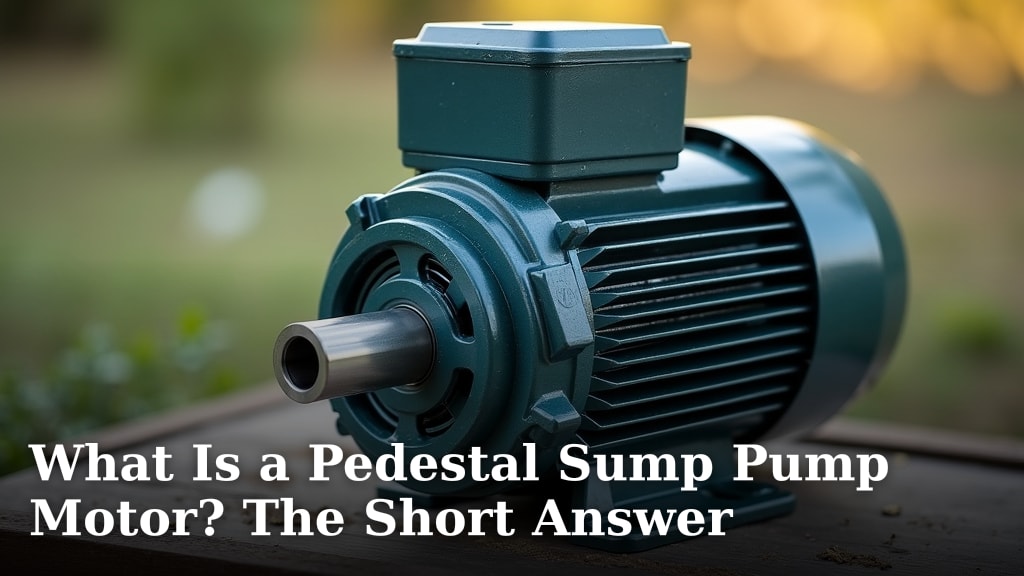
A pedestal sump pump motor is a type of motor where the motor housing sits above the water, connected to an impeller at the bottom of a long shaft. This design keeps the electrical components dry and safe from water damage. It’s a common setup for many residential sump pump systems.
Unlike submersible motors that are fully enclosed in water, pedestal motors offer a different approach to pumping water out of your basement. They often require a longer basin to accommodate the shaft. This design choice can affect the overall performance and maintenance needs of your pump.
- Pedestal motors keep electronics above water.
- They use a long shaft to reach the impeller.
- This design aims to protect the motor from submersion.
- They are common in many home sump pump systems.
Let’s walk through exactly what a pedestal sump pump motor is and how it works to keep your basement dry.
Understanding the Pedestal Sump Pump Motor Design
You’re likely wondering how a pedestal sump pump motor actually works. It’s a clever design that keeps the most important parts safe. The motor itself is mounted on a long stem, or pedestal, which stands upright. This stem extends from the lid of the sump pit down into the water. The motor housing stays dry, well above the water level. This is the key difference from other types of sump pumps.
How the Pedestal Design Protects the Motor
Think of it like keeping your electronics out of the bathtub. The pedestal design separates the electrical motor from the water. This separation is vital for its longevity and reliability. Water and electricity are not good friends. By keeping the motor dry, the risk of electrical shorts or damage is greatly reduced. This is a primary benefit of this setup.
The Role of the Shaft and Impeller
So, if the motor is up high, how does it move the water? That’s where the long shaft comes in. This shaft connects the motor at the top to the impeller at the bottom. The impeller is a spinning component, like a fan with blades. When the motor turns, it spins the shaft, which in turn spins the impeller. The spinning impeller creates suction and pushes water up and out of the pit.
Why a Longer Basin Might Be Needed
Because the motor sits above the water, the pedestal design often requires a deeper or longer sump pit. The shaft needs enough length to reach the bottom where the water collects. If your existing pit is too shallow, you might need to consider a longer basin for a pedestal pump to work effectively. This is something to keep in mind during installation or replacement.
Comparing Pedestal Pumps to Other Sump Pump Types
You might have seen or heard about different kinds of sump pumps. The most common alternative is the submersible sump pump. Understanding the differences will help you choose the right one for your home.
Pedestal vs. Submersible Sump Pumps: Key Differences
The main difference, as we’ve discussed, is motor placement. With a pedestal pump, the motor is above water. With a submersible pump, the entire unit, motor included, is enclosed and sits directly in the sump pit water. This fundamental difference impacts how they operate and their maintenance needs.
Advantages of the Pedestal Design
One big plus for pedestal pumps is easier access for maintenance. Since the motor is out in the open, you can often reach it more readily. This can make it simpler to troubleshoot or perform basic checks. Many homeowners find this accessibility very convenient. It means less dismantling of the pump system to get to the motor.
When a Submersible Pump Might Be Better
Submersible pumps have their own advantages. Because they are fully enclosed, they tend to be quieter when operating. The water acts as a sound dampener. Also, submersibles are often considered more durable in terms of being directly submerged. However, when they do fail, they often need to be removed from the pit for repair or replacement. This can be more involved.
A Simple Comparison Table
To help you visualize, here’s a quick look at how they stack up:
| Feature | Pedestal Sump Pump | Submersible Sump Pump |
|---|---|---|
| Motor Location | Above water (on a pedestal) | Fully submerged in water |
| Noise Level | Generally louder | Generally quieter |
| Maintenance Access | Easier access to motor | Requires removal for motor access |
| Pit Requirements | May need a longer/deeper pit | Standard pit size usually fine |
| Cost | Often less expensive initially | Can be more expensive initially |
Installation and Maintenance Considerations for Pedestal Pumps
Choosing a pedestal pump means being aware of a few installation and upkeep points. These aren’t overly complicated, but they are good to know.
Proper Pit Depth and Size
As mentioned, ensure your sump pit is deep enough for the shaft. The impeller needs to be submerged in water to work. You also need clearance for the shaft. Experts suggest a pit depth that allows the water level to rise sufficiently for the pump to activate. A common guideline is to ensure the pit can hold enough water to run the pump for at least 10-15 seconds per cycle (Plumbing & Heating Magazine).
Motor Cooling and Ventilation
Because the motor is above water, it relies on air for cooling. Make sure the area around the motor is clear and well-ventilated. Don’t box it in. Overheating can damage the motor. Most pedestal pump motors are designed for this type of airflow. Just ensure nothing obstructs it.
Checking the Float Switch
The float switch is what tells the pump when to turn on and off. It works much like the float in a toilet tank. For pedestal pumps, the float switch is usually attached to the side of the pedestal or the pit cover. You’ll want to check that it moves freely and isn’t obstructed by debris. A stuck float switch is a common reason a pump won’t turn on.
Simple Maintenance Checklist
Here’s a quick checklist for keeping your pedestal pump in good shape:
- Periodically check that the pit is clear of debris.
- Test the float switch to ensure it moves freely.
- Listen for unusual noises from the motor.
- Inspect the power cord for any damage.
- Ensure the discharge pipe is not blocked.
- Clean any accumulated sediment around the impeller base.
You’ve learned that a pedestal sump pump motor keeps its electrical parts safely out of the water. This design uses a long shaft to connect the motor to the impeller below. While it might need a deeper pit, its accessible motor makes maintenance simpler. Unlike submersible pumps, you can often service the motor without removing the entire unit. Now you know the core differences and why this design is popular for keeping your basement dry.
Consider your basement’s layout and your comfort level with maintenance when choosing between pump types. Understanding your pedestal pump’s needs, like pit depth and ventilation, will help ensure it works reliably for years to come. It’s a straightforward system designed for dependable basement waterproofing.
Frequently Asked Questions
How do I know if I have a pedestal sump pump?
Look for a setup where the motor unit is clearly visible and sits above the sump pit lid, often on a metal stand or “pedestal.” You should see a long shaft extending down from the motor into the pit.
Are pedestal sump pumps noisy?
Pedestal sump pumps tend to be a bit louder than submersible models. Since the motor isn’t underwater, there’s no water to dampen the sound, so you might hear it more when it runs.
Can I replace a submersible pump with a pedestal pump?
Yes, you can often switch. However, you’ll need to ensure your sump pit is deep enough to accommodate the longer shaft of the pedestal pump. You might also need to adjust the float switch location.
How often should I maintain a pedestal sump pump motor?
It’s good practice to check your pedestal pump’s pit for debris and test the float switch every few months. Basic motor checks and listening for odd noises can be done annually, or more often if you suspect an issue.
What happens if the motor on a pedestal pump gets wet?
If the motor housing itself gets submerged or splashed heavily, it can lead to electrical shorts and motor failure. The pedestal design is specifically to prevent this by keeping the motor high and dry.