What Is a Pedestal Sump Pump? The Full Story
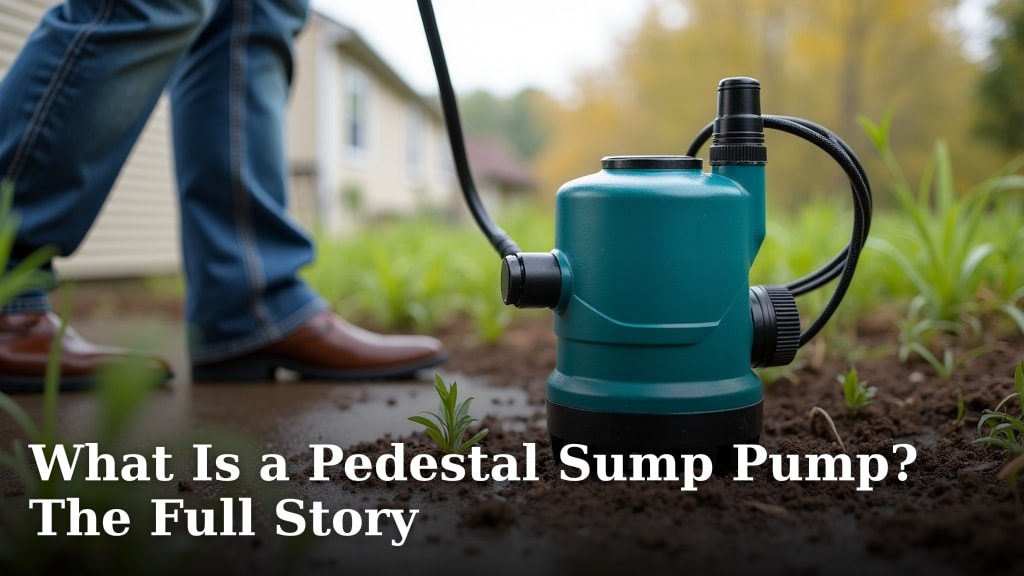
A pedestal sump pump is a type of pump used to remove water from basements or crawl spaces. It features a motor mounted above the water level, connected to an impeller via a long shaft. This design helps keep the motor dry, reducing the risk of electrical issues.
You might be wondering if this setup is right for your home. Pedestal pumps are known for their simplicity and effectiveness in managing basement moisture. They are a common choice for homeowners looking for a reliable way to prevent water damage and keep their lower levels dry and safe. Many find them an excellent budget-friendly option.
- A pedestal sump pump removes basement water.
- Its motor sits above the water, keeping it dry.
- This design helps prevent electrical problems.
- They are often a more affordable sump pump choice.
- Pedestal pumps are great for general basement water removal.
Let’s walk through exactly what a pedestal sump pump is and how it can help protect your home from water. If you’re unsure whether your home requires one, our guide on whether you need a sump pump can help you decide.
Understanding the Pedestal Sump Pump: Your Basement’s Best Friend
You’ve heard about sump pumps, but what exactly makes a pedestal sump pump stand out? It’s a common type of sump pump designed to keep your basement dry and your mind at ease. The core difference lies in how its motor is positioned, which is a clever design choice for homeowners.
Imagine your basement or crawl space. It’s a space prone to moisture, especially during heavy rain or snowmelt. A pedestal sump pump works diligently to prevent water from causing damage. It’s a straightforward yet effective tool for any home concerned about water intrusion.
How a Pedestal Sump Pump Works: A Simple Mechanism
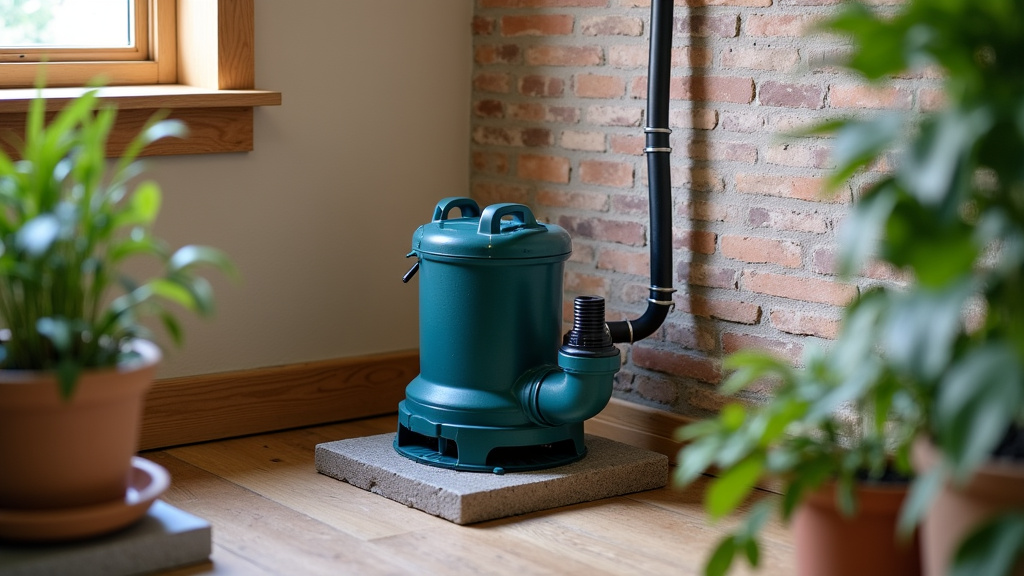
The name “pedestal” gives you a big clue about its design. This pump has its motor located above the water line. Think of it like a chef standing on a platform to stay dry while working near a pool. The motor sits on top, connected to the pump’s impeller via a long, vertical shaft.
Here’s how it operates in simple terms:
- Water collects in a sump pit, which is a hole dug in your basement floor.
- As the water level rises, it floats a switch.
- This switch activates the motor.
- The motor spins an impeller at the bottom of the shaft.
- The spinning impeller forces water up through a discharge pipe and out of your home. Understanding the role of the discharge pipe is crucial for effective water removal, and our guide explains what a sump pump discharge is.
- When the water level drops, the switch turns the motor off.
This setup means the main working parts, especially the motor, are kept away from the water. This is a big advantage for longevity and safety. It’s a system designed for reliability.
The Motor: Elevated for Safety
The motor is the heart of any sump pump. In a pedestal model, its placement is key. It’s mounted on a sturdy stand, or pedestal, well above the sump pit’s water level. This separation is not just a design quirk; it’s a functional necessity.
Keeping the motor dry significantly reduces the risk of electrical shorts. Water and electricity don’t mix well, as anyone who’s seen a science experiment knows. By keeping the electrical components elevated, the pump is much safer to operate. Many homeowners find this peace of mind invaluable.
The Shaft: Connecting Power to Pumping
The long shaft connects the elevated motor to the impeller submerged in the sump pit. This shaft acts as the conduit for power. It allows the motor’s rotation to be transferred to the impeller, which is responsible for pushing the water away.
The quality and material of this shaft are important. A sturdy shaft made from durable materials ensures smooth operation. It needs to withstand constant spinning and the occasional grit or debris that might be in the water. We found that well-made shafts contribute to a pump’s overall lifespan.
The Impeller: The Water Mover
At the bottom of the shaft is the impeller. This is where the actual magic of pumping water happens. It’s typically a fan-like device with curved vanes. When the motor spins the shaft, the impeller spins too.
This spinning action creates centrifugal force. It scoops up water and forces it outward and into the discharge pipe. The design of the impeller affects how much water the pump can move and how efficiently it does so. Some impellers are designed for clear water, while others can handle more sediment.
Pedestal vs. Submersible Sump Pumps: What’s the Difference?
You’ll often hear about pedestal sump pumps alongside submersible sump pumps. They both do the same job—removing water—but their construction and installation differ. Understanding these differences can help you choose the right one for your needs.
The main distinction is, as we’ve discussed, the motor placement. This fundamental difference leads to several other practical distinctions.
Motor Location and Its Impact
A pedestal pump’s motor is outside the pit. A submersible pump’s motor is sealed within the pump housing and sits directly in the water at the bottom of the pit. This means a submersible pump operates underwater.
While submersible pumps can be quieter and less visible, their motor is constantly exposed to water. This can sometimes lead to overheating if the pump runs for extended periods or if the motor is not properly cooled by the surrounding water. Pedestal pumps avoid this issue by keeping the motor dry.
Noise Levels and Cooling
Many people notice a difference in noise. Pedestal pumps tend to be louder than submersible pumps. Since the motor is exposed and elevated, its sound travels more easily. Submersible pumps, being submerged, are generally quieter.
Cooling is another factor. The water surrounding a submersible pump helps to cool its motor. Pedestal pumps rely on air cooling. In very hot environments or during prolonged pumping cycles, the air-cooled motor might need more attention to prevent overheating. However, many modern pedestal pumps have efficient cooling designs.
Maintenance and Accessibility
Maintenance is often simpler with a pedestal pump. Because the motor is easily accessible above the pit, you can typically perform basic checks and repairs without having to remove the entire pump from the pit. This can save you time and effort.
For submersible pumps, maintenance often involves lifting the entire unit out of the pit. This can be more cumbersome. However, submersible pumps are generally considered more protected from debris since they sit at the bottom where water first collects.
Cost Considerations
When budget is a factor, pedestal sump pumps often win. We found that pedestal models are typically less expensive than comparable submersible models. This is largely due to their simpler construction and the fact that they don’t require as much sophisticated waterproofing for the motor housing.
This cost-effectiveness makes them an attractive option for many homeowners, especially for first-time sump pump buyers or those on a tighter budget. The initial purchase price is usually lower, which can be a deciding factor.
Here’s a quick comparison table:
| Feature | Pedestal Sump Pump | Submersible Sump Pump |
|---|---|---|
| Motor Location | Above water line, on a pedestal | Submerged in water, inside sealed housing |
| Noise Level | Generally louder | Generally quieter |
| Motor Cooling | Air-cooled | Water-cooled |
| Maintenance | Easier access to motor | Requires removal from pit |
| Cost | Typically less expensive | Typically more expensive |
| Durability | Motor protected from water | Pump housing protects motor from debris |
Pros and Cons of Pedestal Sump Pumps
Like any piece of home equipment, pedestal sump pumps come with their own set of advantages and disadvantages. Knowing these can help you make an informed decision for your home’s specific needs.
Advantages: Why Choose a Pedestal Pump?
- Motor Protection: The elevated motor stays dry, reducing the risk of electrical damage and extending the motor’s life. This is a big win for reliability.
- Ease of Access: You can usually access the motor and float switch easily for checks and minor adjustments without removing the entire pump from the pit.
- Cost-Effective: Pedestal sump pumps are generally more affordable upfront than submersible models. This makes them a budget-friendly choice.
- Simpler Design: Their straightforward design can make them easier to understand and maintain for some homeowners.
- Less Prone to Clogging: Since the motor isn’t submerged, there’s less chance of debris getting into the motor housing itself.
Disadvantages: What to Consider
- Noise: They can be noticeably louder than submersible pumps because the motor is not enclosed in water.
- Potential for Overheating: In very hot conditions or during extended use, the air-cooled motor might be more susceptible to overheating compared to a water-cooled submersible pump.
- Shaft Issues: While rare, a damaged or bent shaft can cause problems. Ensure the shaft is robust and properly aligned.
- Less Attractive: The motor and pedestal are visible above the pit, which some homeowners may find less aesthetically pleasing than a hidden submersible pump.
When Is a Pedestal Sump Pump the Right Choice for You?
So, who benefits most from a pedestal sump pump? Several scenarios make this type of pump a great fit. If you’re looking for a reliable and affordable way to manage basement water, a pedestal pump is worth considering.
They are excellent for:
- General Basement Water Management: If your basement occasionally gets a bit damp or you experience minor flooding after heavy rains, a pedestal pump is often sufficient.
- Budget-Conscious Homeowners: When the initial cost is a significant consideration, pedestal pumps offer excellent value for money.
- Homes with Regular Maintenance Access: If you’re comfortable with occasional checks and want easy access to the pump’s main components.
- Situations where motor longevity is key: The elevated motor design is a strong point for durability.
Think about your home’s specific needs. How often does your basement tend to get wet? What’s your budget for this kind of appliance? Answering these questions can point you toward the best solution.
What to Look for When Buying a Pedestal Sump Pump
Ready to find the right pedestal sump pump? There are a few key features to keep in mind. Focusing on these details can help you find a pump that will serve your home well for years to come.
Horsepower (HP) Matters
The horsepower of the pump determines its power and how much water it can move. For most homes, a 1/3 HP or 1/2 HP pump is usually adequate. If you have a larger home or experience frequent and significant water intrusion, you might need a higher HP pump.
A pump that is too small won’t keep up with the water. A pump that is too large might cycle on and off too frequently, which can also reduce its lifespan. We found that matching the HP to your home’s needs is critical.
GPM (Gallons Per Minute) Rating
This rating tells you how much water the pump can discharge per minute. A higher GPM generally means a more powerful pump. Ensure the GPM rating is suitable for the amount of water you typically need to remove.
Different models will have different GPM ratings at various “heads” (the height the water needs to be pumped). Always check the specs for the GPM at the head relevant to your home’s setup.
Float Switch Type
The float switch is what tells the pump when to turn on and off. There are different types, including tethered floats (which swing up and down) and vertical floats. Ensure the switch is reliable and that its mechanism will work effectively in your specific sump pit size and shape.
Some switches are more sensitive to debris than others. We found that looking for reviews mentioning the reliability of the float switch can be very helpful.
Discharge Pipe Size
The discharge pipe size needs to match the pump’s outlet. Common sizes are 1-1/4 inch, 1-1/2 inch, or 2 inches. A pipe that is too small can restrict water flow and put extra strain on the pump.
Make sure the pump you choose comes with or is compatible with the correct discharge pipe size for your plumbing setup. Proper fitting ensures maximum efficiency.
Materials and Build Quality
Look for pumps made with durable materials like cast iron or high-quality thermoplastic. These materials resist corrosion and wear, which is important since the pump will be working in a damp environment. The shaft should be made of stainless steel for durability.
The overall construction should feel solid. A well-built pump is likely to last longer and perform more reliably. Many manufacturers offer warranties, which can be a good indicator of their confidence in the product’s quality.
Quick Checklist for Your Pedestal Sump Pump Purchase:
- Check the horsepower (HP) for your home’s needs.
- Confirm the GPM rating is sufficient for potential water volume.
- Inspect the float switch type for reliability.
- Ensure the discharge pipe size matches your system.
- Look for sturdy, corrosion-resistant materials.
- Consider the warranty offered by the manufacturer.
Conclusion
You’ve learned that a pedestal sump pump is a reliable and often budget-friendly way to protect your basement from water damage. Its key advantage is the motor’s elevated position, keeping it dry and reducing electrical risks. While they might be a bit louder than submersible models, their ease of access for maintenance and lower upfront cost make them a smart choice for many homes. If you’re dealing with occasional basement moisture or want a straightforward solution for water removal, a pedestal pump deserves your attention. Take the next step by assessing your basement’s water issues and comparing horsepower and GPM ratings to find the right model for your needs.
Frequently Asked Questions
How often should I test my pedestal sump pump?
You should test your pedestal sump pump at least once a year, and more often if you live in an area prone to heavy rainfall or flooding. Simply pour a few gallons of water into the sump pit to activate the float switch and ensure the pump turns on and discharges water correctly.
Can a pedestal sump pump run dry without being damaged?
Pedestal sump pumps are designed to operate with water in the pit. Running one completely dry for extended periods is not recommended, as it can cause the motor to overheat and potentially shorten its lifespan. The water also helps cool the motor.
What is the average lifespan of a pedestal sump pump?
The lifespan of a pedestal sump pump can vary, but with proper maintenance, they typically last between 10 to 15 years. Factors like the quality of the pump, the amount of use, and the water conditions in your sump pit can affect its longevity.
Is a pedestal sump pump noisy enough to be a problem?
Pedestal sump pumps are generally louder than submersible models because the motor is not enclosed in water. While you will likely hear it when it’s running, most homeowners find the noise level acceptable, especially considering the protection it offers.
What maintenance tasks are needed for a pedestal sump pump?
Basic maintenance includes ensuring the sump pit is clear of debris, checking that the float switch moves freely, and testing the pump periodically. You’ll also want to keep the discharge pipe clear to prevent blockages and ensure proper water flow away from your home.