What Is Inside a Sump Pump? A Beginner’s Guide
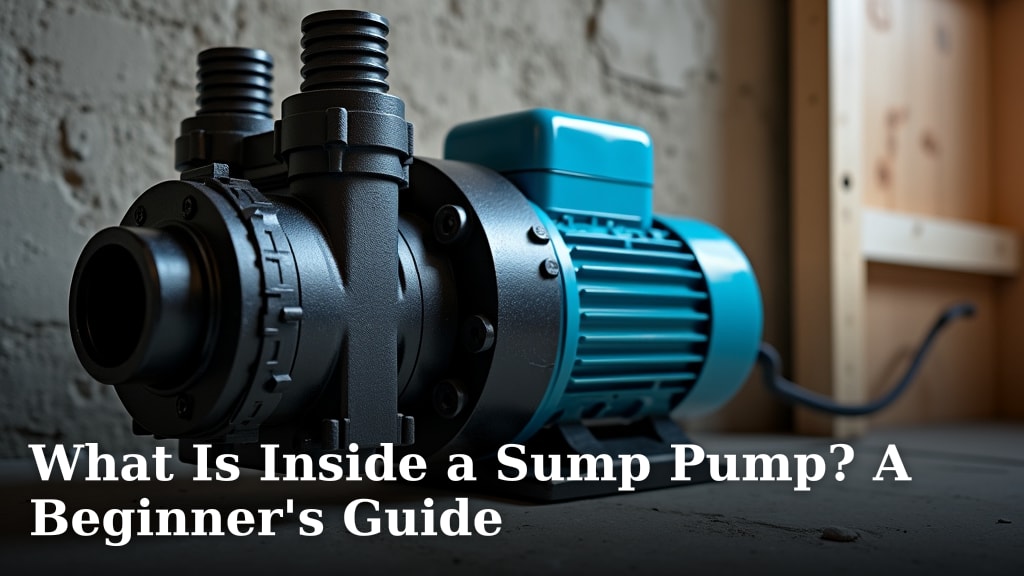
A sump pump is a Our guide on whether you need a sump pump can help you decide.small, electric pump usually found in a basement or crawl space. Its main job is to remove water that collects around your home’s foundation. This prevents basement flooding by pumping the water away from your house, keeping your lower levels nice and dry.
Think of it as your home’s personal bodyguard against water damage. We found that understanding its basic parts helps you appreciate how it keeps your basement safe and dry. This simple device can save you a lot of headaches and costly repairs.
- It’s a pump that removes water.
- It sits in a pit in your basement.
- It activates when water levels rise.
- It pumps water away from your foundation.
Ready to see what’s really going on under the surface? Let’s take a peek inside a sump pump system to understand its components.
Understanding the Components of Your Sump Pump System
So, you know your sump pump is vital for keeping your basement dry. But what exactly makes it tick? It’s not just a magical box that banishes water. It’s a combination of parts working together. We found that understanding these parts can help you feel more comfortable with your home’s defense against water.
The Heart of the System: The Sump Pit
Before we even get to the pump itself, you need a place for the water to gather. This is called the sump pit, or sometimes a sump basin. Think of it as the waiting room for the water. It’s usually a large hole dug in the lowest part of your basement or crawl space.
How the Sump Pit Works
Water that seeps into your foundation or groundwater naturally flows downhill. It eventually finds its way into this pit. The pit is designed to collect all that incoming water. Its job is to hold the water until the level gets high enough to trigger the pump.
Materials and Installation
Sump pits can be made from various materials. You’ll commonly see them constructed from plastic, concrete, or even metal. Plastic is lightweight and less prone to corrosion. Concrete is durable but can be heavy to install. Metal pits are also an option, though they can rust over time.
Many are installed with a lid. This lid helps keep debris out and can reduce noise from the pump. Some lids also allow for a discharge pipe to exit the pit. A properly installed pit ensures water flows into it efficiently.
The Brain and Muscle: The Sump Pump Itself
Now, let’s talk about the main event: the sump pump. This is the device that does the actual work of moving water. When the water in the pit reaches a certain level, the pump kicks in.
Types of Sump Pumps
There are two main types of sump pumps you’ll encounter: submersible and pedestal. The one you have likely depends on your system’s design and your personal preference.
Submersible Sump Pumps
A submersible pump sits directly in the water inside the sump pit. It’s designed to be waterproof and is usually housed in a sealed casing. This makes them quieter because the motor is submerged. They also tend to be more powerful and have a longer lifespan because the water helps cool the motor.
You often see these with a longer cord. This allows them to be placed at the bottom of the pit. They typically have a sturdy base and a discharge pipe connection that rises from the top.
Pedestal Sump Pumps
With a pedestal pump, the motor is located above the water on a long shaft, or pedestal. Only the pump itself and the intake are submerged in the pit. The motor unit sits on a pedestal that rests on the basement floor or a shelf above the pit.
These are generally less expensive than submersible pumps. However, they can be louder because the motor is not enclosed in water. Also, the motor is more exposed to dust and moisture, which can sometimes lead to a shorter lifespan. We found many homeowners prefer submersible pumps for their quiet operation.
The Motor and Impeller: The Powerhouse
Inside the pump unit, whether submersible or pedestal, you have a motor. This electric motor is the driving force. When the pump is activated, the motor spins. Attached to the motor is an impeller.
The impeller looks a bit like a fan with blades. As the motor spins the impeller, it creates a powerful suction. This suction draws water into the pump housing. The spinning blades then force the water up and out through the discharge pipe.
The Decision Maker: The Float Switch
How does the pump know when to turn on and off? That’s the job of the float switch. This is a critical component that acts like the system’s thermostat, but for water levels.
How Float Switches Work
A float switch is essentially a sensor. It has a float that rises and falls with the water level in the sump pit. When the water reaches a predetermined height, it lifts the float. This action closes an electrical circuit, powering on the sump pump motor.
Types of Float Switches
There are a few common types of float switches. The most basic is the vertical float, which works like a toilet tank float. It moves up and down on a rod. As the water level rises, the float tilts and activates the switch.
Another type is the tethered float. This is attached to the pump with a cord. As the water level rises, the float lifts. When it reaches a certain angle, it flips the switch on. When the water level drops, the float hangs down, turning the switch off.
Some newer systems use electronic or pressure switches. These don’t have a physical float but use water pressure or electronic sensors to detect the water level. Many experts say these can be more reliable and less prone to getting stuck (National Association of Home Builders).
The Exit Strategy: The Discharge Pipe
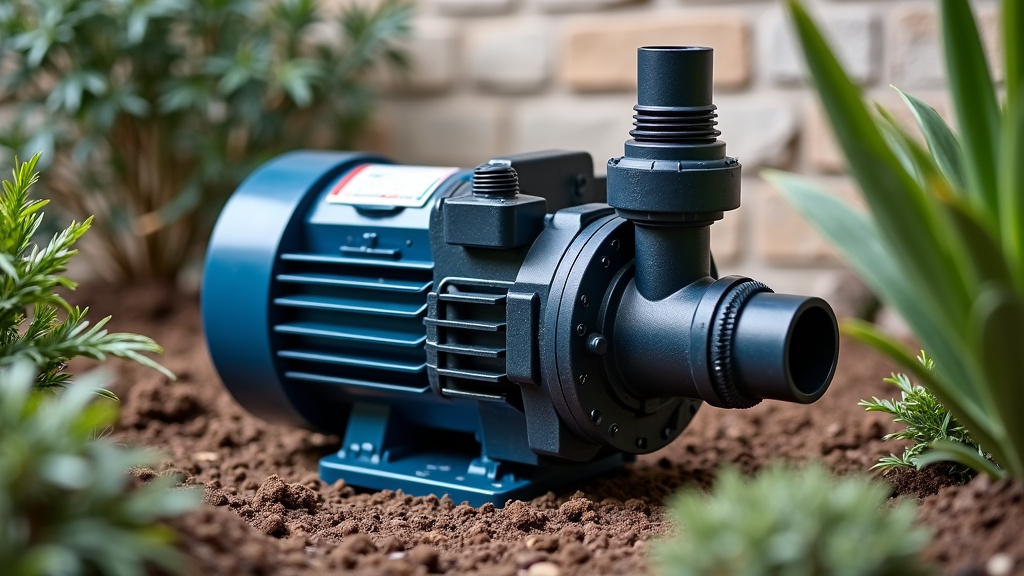
Once the sump pump has done its job and pushed the water out of the pump, where does it go? That’s handled by the discharge pipe. This pipe carries the water away from your home’s foundation.
Function and Material
The discharge pipe is connected to the top of the sump pump. It runs up and out of your basement or crawl space. Ideally, it should direct water at least 20 feet away from your house. This prevents the water from simply seeping back towards your foundation.
These pipes are typically made of PVC or ABS plastic. They need to be durable enough to handle the pressure of the water being pumped. Some systems might also include a check valve.
The Importance of the Check Valve
A check valve is a one-way valve. It’s installed in the discharge pipe. Its main purpose is to prevent water from flowing back into the sump pit once the pump turns off. This is crucial for efficiency. Without a check valve, the pump would have to pump the same water out repeatedly.
We found that a properly functioning check valve is essential. If yours is stuck open or closed, it can cause problems for your sump pump system. A stuck-open valve allows water to drain back. A stuck-closed valve can cause pressure buildup and damage the pump.
Ensuring Constant Protection: Backup Power and Alarms
What happens if the power goes out during a heavy storm? Your main sump pump won’t work. That’s why many homeowners consider backup systems. These add an extra layer of security.
Battery Backup Systems
A battery backup sump pump is a second, smaller pump powered by a deep-cycle marine battery. It sits next to your primary pump. If the main pump loses power, the battery backup automatically kicks in. This ensures water is still being pumped away.
Some homeowners opt for a water-powered backup pump. These use the pressure from your home’s water supply to create suction and pump water out. They don’t rely on electricity at all.
Water Alarms
Another helpful addition is a water alarm. This device sits in the sump pit, separate from the pump. It has its own sensor. If the water level rises too high, even if the pump is running, the alarm will sound. This alerts you to a potential problem.
These alarms are often battery-powered. They provide an audible warning. This gives you a chance to investigate. Many experts recommend having at least one of these safety features (Consumer Reports).
Here’s a quick checklist to help you think about your own system:
- Have you identified your sump pit location?
- Do you know if you have a submersible or pedestal pump?
- Can you locate your float switch?
- Is there a visible discharge pipe leading away from your home?
- Are you aware of any backup power options?
- Do you have a water alarm installed?
Conclusion
You’ve now seen the essential parts that make up your sump pump system. From the sump pit collecting water to the pump itself, the float switch, and the discharge pipe, each component plays a role in keeping your home dry. Understanding these elements can give you peace of mind, especially when heavy rains hit. If you haven’t already, take a moment to locate your system’s components. Knowing where they are and how they work is your first step in maintaining your home’s defense against basement flooding.
Frequently Asked Questions
How often should I test my sump pump?
We recommend testing your sump pump at least once a month, and especially before rainy seasons. You can do this by pouring a bucket of water into the sump pit to see if the float switch activates the pump. Ensure the water is then successfully pumped out.
What are the signs of a failing sump pump?
You might notice your sump pump running constantly, making unusual noises like grinding or humming, or not turning on at all when the pit fills with water. A persistent damp smell in the basement or actual flooding are also clear indicators that something is wrong.
Can I install a sump pump myself?
While some DIYers tackle sump pump installations, it can be a complex job involving plumbing and electrical work. For most homeowners, we found it’s safer and more reliable to hire a professional to ensure it’s installed correctly and meets local codes.
What is a sump pump discharge line, and why is it important?
The discharge line is the pipe that carries water away from your home after the pump pushes it out. It’s vital because if this line is blocked or directed too close to your foundation, the water can simply flow back into your basement, defeating the pump’s purpose.
Do I need a battery backup for my sump pump?
A battery backup is highly recommended, especially if you live in an area prone to power outages during storms. It ensures your sump pump continues to operate even when the main power is out, preventing potential flooding when you need protection the most.