Where Does Sump Pump Water Go? The Plain Answer
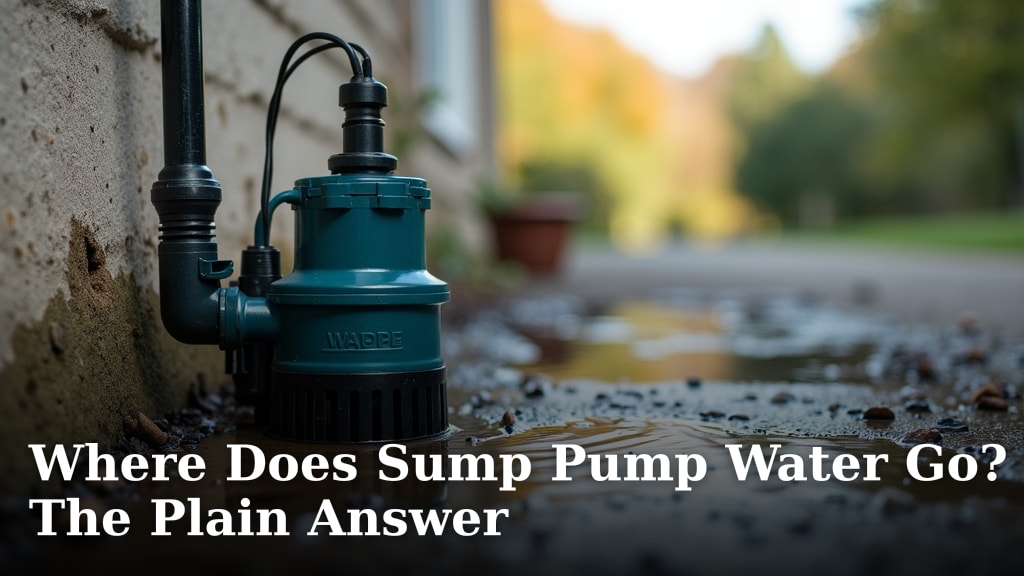
Sump pump water typically goes to a municipal storm drain, a dry well on your property, or sometimes a disposal area like your yard. Your local plumbing codes dictate the proper discharge location. It’s important to know where your sump pump sends water to avoid basement flooding and ensure legal compliance.
Discharging water improperly can lead to erosion, neighborhood disputes, or even fines. We found that understanding your sump pump’s discharge is key to protecting your home and respecting local regulations. Many homeowners aren’t sure about the specifics, which is perfectly normal.
- Where sump pump water goes depends on your local rules.
- Common spots include storm drains, dry wells, or your yard.
- Never discharge water where it could freeze or cause flooding.
- Check with your municipality for specific requirements.
Below, we’ll break down exactly where your sump pump water should go and what to watch out for.
Understanding Your Sump Pump Water Discharge
So, you’ve got a sump pump, and you’re wondering where that extra water actually goes. It’s a great question! That water needs a place to go, and the rules about where it *can* go are pretty important. Getting this wrong can cause more problems than it solves. You’ve got a sump pump, and you’re wondering where that extra water actually goes.
We found that many homeowners are a little unsure about their sump pump’s discharge. It’s not something you think about every day, right? But knowing the basics can save you headaches down the road. Let’s break down the common destinations for that water.
Common Discharge Locations for Sump Pump Water
The destination for your sump pump’s water isn’t a free-for-all. There are specific places it’s allowed and encouraged to go. The most common spots are governed by local plumbing and environmental regulations.
1. Municipal Storm Drains
Often, the simplest and most legal place for sump pump water to go is into your town’s storm drain system. This system is designed to handle rainwater and groundwater runoff. It’s usually the preferred method because it keeps water away from your property and your neighbors’.
Think of the storm drain like a special highway for water. It takes it from your street, your yard, and yes, your sump pump, and directs it toward rivers, lakes, or other natural water bodies. It’s managed by your local municipality.
How to Know if You’re Connected
You can usually tell if your sump pump is tied into the storm drain system by looking for a discharge pipe. This pipe typically runs from your home and exits somewhere near the curb or in your yard, leading towards a storm drain inlet. You might even see other homes with similar pipes.
If you’re not sure, your local building department or public works office can tell you. They keep records of plumbing and drainage systems. This is a great way to get a definitive answer for your specific address.
2. Dry Wells on Your Property
Another common and often preferred method is discharging the water into a dry well. What’s a dry well? It’s essentially a large underground pit filled with gravel or a special container. The idea is that the water slowly seeps back into the ground from this designated spot.
A dry well acts like a temporary holding tank. It allows the pumped water to be released gradually into the surrounding soil. This prevents overwhelming your yard or a nearby storm drain with a sudden rush of water. Many areas recommend this for its environmental benefits.
Benefits of Using a Dry Well
Using a dry well can be great for preventing erosion in your yard. It also helps recharge the groundwater naturally. Many experts say this is a more eco-friendly option than sending water directly into the storm drain system, especially if your area has limited storm drain capacity (National Association of Home Builders).
Installing a dry well requires some digging and planning. You’ll want to ensure it’s located far enough from your home’s foundation. You also need to make sure the soil can absorb the water effectively.
3. Disposal Areas on Your Property (Yard/Drainage Field)
In some cases, local codes might allow you to discharge sump pump water onto your own property. This usually means directing it to a specific spot in your yard, often a gently sloped area or a designated drainage field. It’s crucial that this area can handle the volume without causing problems.
This method works best if you have a large yard with good drainage. The goal is for the water to soak into the ground without pooling or running off onto your neighbor’s property. You need to be mindful of where the water goes.
Important Considerations for Yard Discharge
When discharging onto your property, avoid areas where the water could freeze in winter. Ice buildup can damage the pipe or cause a backup. Also, ensure the water doesn’t flow towards your neighbor’s house or yard. Neighborly disputes over water are no fun!
Research and found that this method is less common in densely populated areas. It’s more typical in rural settings or on larger lots where space allows for natural absorption. Always check your local regulations first.
What’s NOT Allowed? Sump Pump Discharge Dos and Don’ts
Just as important as knowing where the water *should* go is knowing where it absolutely *should not* go. Improper discharge is a common issue that leads to problems. We found that many violations stem from simply not knowing the rules.
Here are some things to avoid when planning your sump pump discharge:
- Never discharge water into your sanitary sewer. This is illegal everywhere and can overwhelm the system.
- Avoid discharging water where it can create icy conditions on sidewalks or driveways.
- Don’t let the water pool on your property or run off onto a neighbor’s land.
- Avoid discharging directly into a street gutter unless it’s specifically designed for storm runoff.
- Do not discharge where it can cause erosion or damage to landscaping.
How to Find Out Your Local Requirements
The best way to know for sure is to consult your local authorities. Plumbing and building codes are set at the municipal or county level. They know what works best for your specific area’s infrastructure and environment.
You can typically contact:
- Your city or town’s building department.
- The local public works or engineering department.
- Your local environmental protection agency (if applicable).
We found that many people are hesitant to ask, but these departments are there to help. They can provide you with the exact rules and even guide you on proper installation if needed. It’s a simple step that ensures compliance and prevents future issues.
What if Your Sump Pump Discharges into a Creek or Pond?
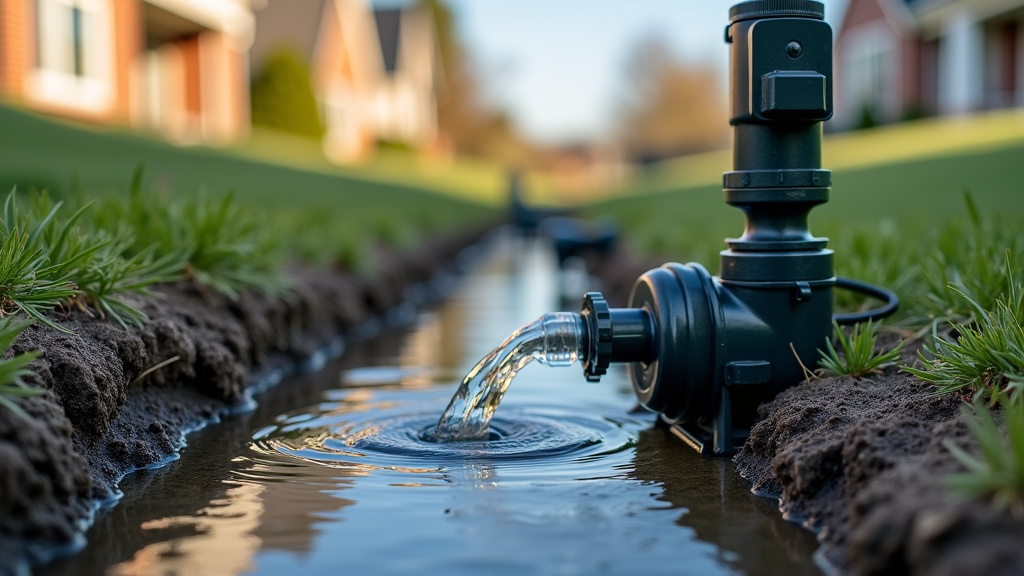
Discharging sump pump water directly into a natural body of water like a creek or pond might seem like a natural solution. However, it’s often regulated. Environmental agencies want to prevent excessive runoff and potential pollution.
Many areas require a permit for any discharge into natural waterways. This is because the water, even if it’s just groundwater, can alter the water levels or quality of the receiving body. We found that regulations vary greatly on this point.
Some municipalities have specific rules about the distance from the water body the discharge pipe must be. Others might prohibit it altogether unless it goes through a proper storm drain system first. Always verify with your local environmental or water management authority.
Table: Sump Pump Discharge Options at a Glance
Let’s quickly compare the common options. This might help you visualize your choices.
| Discharge Method | Pros | Cons | Commonly Allowed? |
|---|---|---|---|
| Municipal Storm Drain | Efficient, managed by city, keeps water away from home. | Can overwhelm system if too many homes connect; potential fees. | Often preferred and widely allowed. |
| Dry Well | Environmentally friendly, reduces yard erosion, recharges groundwater. | Requires space and installation; may not work in areas with high water tables. | Generally allowed and encouraged. |
| Yard/Drainage Field | Simple, can be cost-effective if planned well. | Risk of pooling, erosion, neighbor disputes; must avoid freezing areas. | Allowed in some areas, especially rural, but with strict rules. |
Checklist: Are You Discharging Properly?
Take a moment to run through this quick checklist. It will help you assess your current situation or plan for a new setup.
- Does your discharge pipe lead to a storm drain, dry well, or approved yard area?
- Have you confirmed your local codes and regulations?
- Is the discharge point away from your home’s foundation?
- Does the water flow away from neighbors’ properties?
- Does the discharge prevent ice buildup in winter?
- Are you avoiding discharge into sanitary sewers?
Conclusion
You now know that your sump pump water has specific destinations. These are typically your municipal storm drain, a dry well, or an approved area on your property. Understanding these options and their rules is key to preventing basement flooding and avoiding legal trouble. We found that local codes are your best guide. Don’t guess about your discharge. Your next step should be to contact your local building or public works department. They can confirm the right place for your sump pump water to go in your specific area.
Frequently Asked Questions
What if my sump pump discharges onto my neighbor’s property?
Discharging water onto a neighbor’s property is generally not allowed and can cause disputes. You need to redirect the flow away from their land. We found that rerouting the discharge pipe is the most common solution. Always check your local rules to ensure you are compliant.
Can I just let my sump pump water flow into my street gutter?
In most places, you cannot discharge directly into a street gutter unless it’s part of the approved storm drain system. This can cause street flooding or ice buildup. Research and found that direct gutter discharge is often prohibited to protect public safety and infrastructure.
How do I know if my sump pump is connected to the storm drain?
Look for a pipe leaving your house that leads towards the street or a storm drain inlet. If you’re unsure, your local municipality’s building or public works department can confirm your connection. They have records of your home’s plumbing.
Is it legal to discharge sump pump water into a sanitary sewer line?
No, it is illegal everywhere to discharge sump pump water into a sanitary sewer line. These lines are for wastewater from toilets and sinks. Overloading them can cause sewage backups and system failures. We found that this is a strict no-discharge zone.
What should I do if my sump pump discharge pipe is frozen?
A frozen discharge pipe can cause your sump pump to back up and flood your basement. You can try to thaw the ice using a hairdryer or warm water. If you can’t clear it, you may need to disconnect the pipe and reroute it temporarily. We recommend checking your discharge line regularly during freezing weather.